Contents
History & cultureBY TELLBY2 sections · numbered as on the map01 The Architecture of Atlantic Light
There is a moment just after dawn along the sweeping crescent of Agadir when the Atlantic Ocean sheds its soft veil of sea mist and reveals itself in startling, crystalline brilliance. To stand upon this southern Moroccan shore, where the gentle arid foothills of the Anti-Atlas Mountains meet the sapphire swell of the open sea, is to understand why wanderers and chroniclers have long sought solace in its temperate, radiant light. The morning breeze carries a languid dialogue between the briny vastness of the Atlantic and the warm, spice-laden breath of the fertile Souss valley, producing an atmosphere of extraordinary clarity and stillness. Unlike the dense medieval alleyways of the northern imperial capitals, Agadir unfolds with generous boulevards and open terraces, breathing in effortless rhythm with the ocean tide. Here, urban geometry and maritime nature exist in harmonious concert, offering travelers an invitation to slow their stride and observe how the southern sun sculpts white lime, terracotta, and water into an expansive theater of contemplation.
Footsteps on the Maritime Frontier
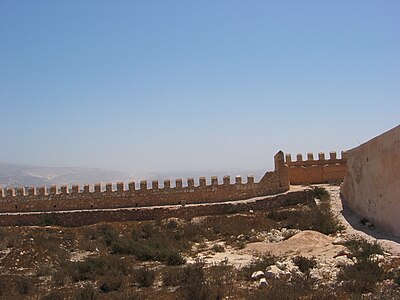
Long before modern promenades welcomed travelers seeking winter warmth, these winds drew solitary figures whose journeys were measured in vast horizons and enduring silence. In the spring of 1884, the French explorer and ascetic Charles de Foucauld walked quietly along this coastline while traveling in disguise across the Moroccan south. Recording his passage in his volume Reconnaissance au Maroc, he described walking beside the Atlantic swell toward the rocky cape of Agadir Irir, noting the humble fishermen gathered in their huts at Founti beneath the white ramparts crowning the crest above. He observed the silent enclosure standing proud against the pale sky, a lonely citadel watching over an ocean expanse that seemed suspended outside the passage of centuries. Yet this coast was never truly isolated from the grand currents of history; it remained an elemental meeting point where continental earth, maritime voyages, and human resilience converged.
Decades later, around 1930, that same luminous coastal curve served as a vital haven for the pioneering aviators of the French airmail line, the legendary Aeropostale. Antoine de Saint-Exupery and his daring comrade Jean Mermoz landed their biplanes on these wind-swept sands, transforming Agadir into an essential resting place between the airfields of France and the hazardous desert routes across the Sahara toward Dakar. Resting beside these Atlantic breakers before flying into the immense desert solitude, Saint-Exupery absorbed the profound stillness and fragile dignity of human endeavor that would soon echo through his poetic literature. Decades further on, in the golden autumn of 1959, shipping magnate Aristotle Onassis sailed his storied yacht Christina into this quiet basin, accompanied by Winston Churchill, who spent quiet hours on deck sketching the sea and watching the ancient fortress ridge before devastating earthquakes reshaped the shoreline forever.
The Horizon as Sanctuary
When disaster leveled the historic quarters in 1960, visionary architects inspired by the principles of modern design rebuilt Agadir not as a monument to loss, but as a luminous city of parks, low white terraces, and open plazas facing the sea. To wander through Agadir today is to inherit this lineage of outward contemplation. Every vista, from the gleaming yacht basins and breezy waterfront dining terraces to the quiet shaded palm gardens and the bustling spice lanes of the great market, treats the ocean horizon not as an edge, but as an ever-shifting canvas. As you embark on this audio journey through its most evocative vantage points, let the cadence of the waves guide your steps, attuned to the quiet grace of a city that transformed the sea into its eternal sanctuary.
02 Forest of White Masts at the Mountain Foot
Begin your walking journey at the water edge where Agadir Marina cradles hundreds of white sloops and motor yachts within a sheltered Atlantic basin. To capture the most serene perspective without the passing harbor crowds, stroll past the quayside cafes directly to the outer seawall at the far western pier. Lean against the smooth stone balustrade and look across the turquoise basin back toward the towering headland. …