Contents
History & cultureBY TELLBY2 sections · numbered as on the map01 The Monumental Playground: Why Luxor Is Having Its Ultimate Family Moment
Morning along the Nile breaks in high definition, gold light spilling over date palms and hitting the caramel cliffs of the West Bank before the rest of the world has even started scrolling. If your social feed told you that family travel is meant to be an exercise in sterile airport lounges and predictable kid clubs, Luxor is here to completely dismantle the algorithm. Stepping out onto the sunlit dust of Upper Egypt does not feel like walking into a textbook. It feels like stepping into a cinematic fantasy world, except every single colossal stone is entirely real.
There is a palpable vibe shift happening right here in ancient Thebes. For years, cultural heavyweights pitched Luxor as a solemn pilgrimage for dusty academics, an open-air classroom where younger travelers were expected to fold their hands and whisper in reverent awe. But the modern traveler knows that ancient Egypt was never meant to be experienced in hushed sepia tones. This monumental capital was conceived as pure theatrical maximalism, built by visionaries who understood scale, spectacle, and narrative hype thousands of years before the concept of an immersive art installation existed.
The Mythic Pop Sandbox
When you explore these temples with young eyes, that theatrical spark suddenly makes total sense. Kids do not see inert sandstone; they see an epic universe waiting to be unlocked. It turns out that artists have tapped into this precise frequency for decades. Consider the comic creator Jay Stephens, who developed the beloved animated series Tutenstein about a mischievous young pharaoh who wakes up three millennia after his death alongside a talking cat aptly named Luxor. Stephens confessed that he was simply a total history nerd who loved mythology because the past is always overflowing with surprises. He teamed up with Egyptologist Kasia Szpakowska to keep the ancient gods and rituals grounded in genuine lore while making the story intensely energetic and funny.
That playful collision between profound ancient legacy and living storytelling is woven into the very limestone underfoot. Centuries before travelers began drafting orderly itineraries, early European visitors were genuinely baffled by the sheer immensity of Thebes. When the French explorer Paul Lucas wandered through these grounds around the turn of the eighteenth century and published the very first European drawing of Karnak, his sketches scrambled the massive pylons and gateways into a surreal dreamscape because his eyes could scarcely compute the scale. Luxor refuses to fit neatly onto a single page, and that wild unpredictability is exactly what makes it so thrilling for a curious family today.
Monuments That Breathe
Even the pharaohs themselves understood the power of grand, unforgettable gestures. Take Hatshepsut, the visionary woman ruler whose reign left an indelible stamp on these temple halls. When she raised her breathtaking pink granite obelisks toward the sun, she was declaring her presence to eternity in a way no onlooker could ever forget. At the temple of Mut, she even commissioned a ceremonial porch dedicated to the mythic festival of divine joy, echoing the ancient tale where the fierce goddess Sekhmet was pacified by pomegranate-colored brew to save mankind. These were not dry historical markers; they were vibrant tales meant to captivate the imagination of entire cities.
As the afternoon heat softens and a gentle breeze drifts off the river, you realize why this storied valley is having such a massive renaissance. Walking through these sweeping courtyards with your family is not an academic chore or a test of endurance. It is an invitation to share genuine wonder, to run your fingers through warm sand, and to watch the next generation fall in love with the sheer audacity of human imagination.
02 A Forest Carved from Stone
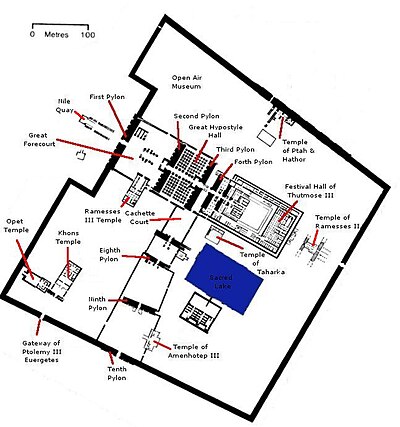
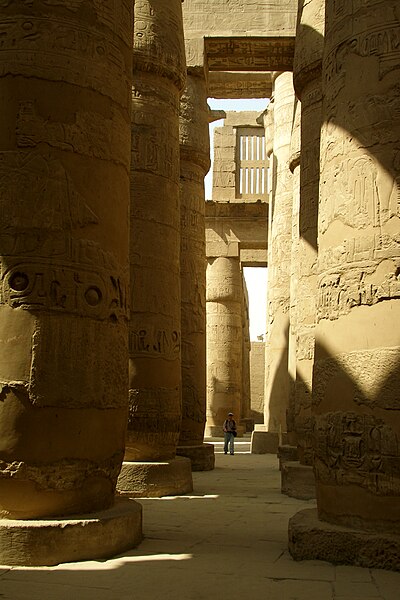
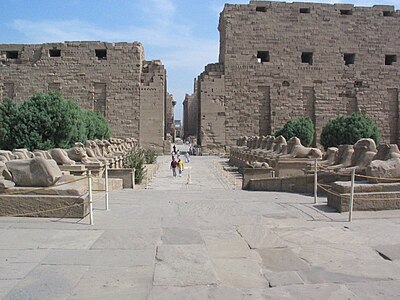
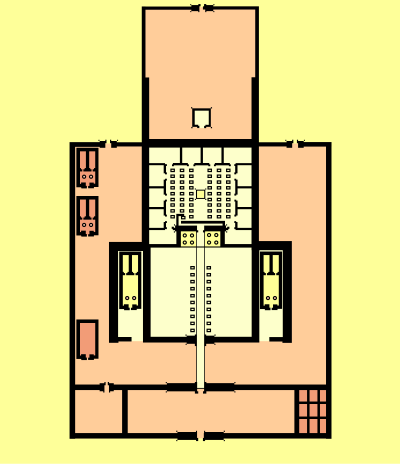
Stepping past the avenue of ram-headed sphinxes into the first great courtyard of Karnak, the sheer volume of open sky and honey-colored stone instantly commands attention. Hand the refillable water bottles to your young navigators and let them take the lead across the sun-drenched flagstones. As you cross into the Great Hypostyle Hall, daylight breaks into cathedral-like beams between one hundred and thirty-four towering sandstone columns rising like petrified papyrus plants into the rafters. …