Contents
History & cultureBY TELLBY2 sections · numbered as on the map01 Excavating the Night: Memory, Ritual, and Vessels of the Desert Capital
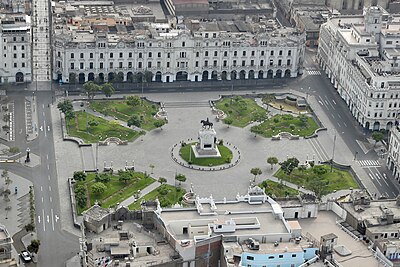
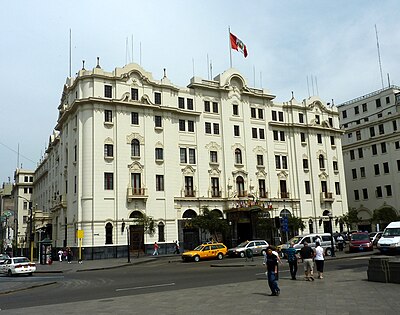
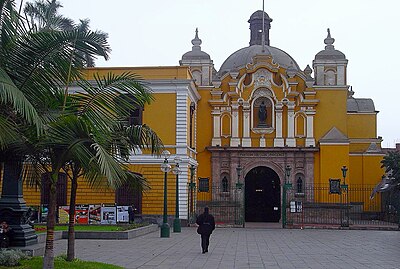
To understand Lima after dusk, one must begin not with the clamor of its avenues, but with the quiet, spectral mist known as the garua. It creeps inward from the cold Humboldt Current, softening the sharp edges of concrete towers and wrapping the adobe walls of ancient pre-Hispanic sanctuaries in a damp, maritime veil. To the eye of a curator, walking these nocturnal streets feels like examining a vast archaeological stratigraphy, where centuries of ceremony, colonial ambitions, and migratory dreams are compressed beneath the glow of wrought-iron lanterns. Underneath our feet lie the silent foundations of ancient lordships and vanished ceremonial plazas, now humming with the low rumble of traffic, the distant cadence of brass horns, and the rhythmic clink of cocktail glassware. Night in this desert capital is not an absence of daylight; it is an excavation of memory, a sacred hour when the hidden layers of the past rise gently to converse with the living.
The Speaking River and the Knotted Cord
Long before the conquistador Francisco Pizarro laid out the Spanish colonial grid over the irrigated fields of the valley, this land was governed by the native lord Taulichusco, whose earthen palace stood where the presidential palace remains today. The very name of the city carries the weight of spoken history. Linguists and historians remind us that Lima derives from Limaq, a coastal Quechua term signifying the speaker or the talker, named after a fabled oracle whose shrine once commanded the entire valley. Speech, ritual gatherings, and exchange have always defined this coastal oasis. In August of 1536, when the troops of the Inca general Quizu Yupanqui besieged the fledgling colonial settlement, survival hung on an urgent message sent across the mountains. Princess Doña Ines Huaylas Yupanqui dispatched a desperate plea knotted into the cords of a traditional quipu to her mother, Contarhuancho, the respected kuraka of Hanan Huaylas. The highland chieftain marched her army down from the peaks to the coast, lifting the siege and forever altering the destiny of Peru. That same spirit of urgent assembly and voices calling out across vast geography still animates the city when the sun disappears behind the Pacific rim.
Sacred Vines and the Nocturnal Archive
In the quiet corners of historic mansions and coastal saloons, the simple act of taking a drink retains the solemn dignity of an ancestral ceremony. These rooms serve as bridges connecting the desert shore with the mysterious, deep interior of the continent. Consider the English botanist Richard Spruce, who in 1852 ventured into the Amazonian river basin to collect and classify unknown plants. While staying among the Tucano people along the Vaupés River, Spruce witnessed nocturnal ceremonies centered around the sacred Banisteriopsis caapi vine, documenting the brew that stirred the imagination and expanded perception, accounts he later compiled in his masterwork, Notes of a Botanist On The Amazon and Andes. Centuries earlier, the Jesuit missionary Jose Chantre y Herrera had described that same potion with awe, noting how a nocturnal diviner would suspend his hammock in the center of the hall, keeping two small earthen pots by his side to sip from without losing clarity while guiding the nocturnal choir. Tonight, as you step into the twilight, listen to the murmur of voices, observe the polished wood and antique glassware, and taste the clear grape spirit of the valleys. You are not merely a patron in a salon; you are an observer standing in an open gallery of Peruvian time.
02 A Colonial Promenade Above the Flagstones
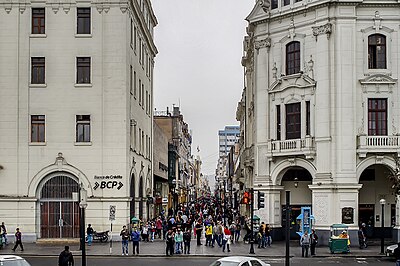
Step through the arched entrance of this historic tavern tucked into the pedestrian corridor of Jiron de la Union, where the air carries the toasted malt scent of house brews and the polished sheen of dark cedar. Historically, this thoroughfare linked the viceregal mansions of the Plaza Mayor with the southern promenades, serving as the civic stage where politicians, poets, and craftsmen crossed paths under gas lamps. …