To understand Lima after dusk, one must begin not with the clamor of its avenues, but with the quiet, spectral mist known as the garua. It creeps inward from the cold Humboldt Current, softening the sharp edges of concrete towers and wrapping the adobe walls of ancient pre-Hispanic sanctuaries in a damp, maritime veil. To the eye of a curator, walking these nocturnal streets feels like examining a vast archaeological stratigraphy, where centuries of ceremony, colonial ambitions, and migratory dreams are compressed beneath the glow of wrought-iron lanterns. Underneath our feet lie the silent foundations of ancient lordships and vanished ceremonial plazas, now humming with the low rumble of traffic, the distant cadence of brass horns, and the rhythmic clink of cocktail glassware. Night in this desert capital is not an absence of daylight; it is an excavation of memory, a sacred hour when the hidden layers of the past rise gently to converse with the living.
The Speaking River and the Knotted Cord
Long before the conquistador Francisco Pizarro laid out the Spanish colonial grid over the irrigated fields of the valley, this land was governed by the native lord Taulichusco, whose earthen palace stood where the presidential palace remains today. The very name of the city carries the weight of spoken history. Linguists and historians remind us that Lima derives from Limaq, a coastal Quechua term signifying the speaker or the talker, named after a fabled oracle whose shrine once commanded the entire valley. Speech, ritual gatherings, and exchange have always defined this coastal oasis. In August of 1536, when the troops of the Inca general Quizu Yupanqui besieged the fledgling colonial settlement, survival hung on an urgent message sent across the mountains. Princess Doña Ines Huaylas Yupanqui dispatched a desperate plea knotted into the cords of a traditional quipu to her mother, Contarhuancho, the respected kuraka of Hanan Huaylas. The highland chieftain marched her army down from the peaks to the coast, lifting the siege and forever altering the destiny of Peru. That same spirit of urgent assembly and voices calling out across vast geography still animates the city when the sun disappears behind the Pacific rim.
Sacred Vines and the Nocturnal Archive
In the quiet corners of historic mansions and coastal saloons, the simple act of taking a drink retains the solemn dignity of an ancestral ceremony. These rooms serve as bridges connecting the desert shore with the mysterious, deep interior of the continent. Consider the English botanist Richard Spruce, who in 1852 ventured into the Amazonian river basin to collect and classify unknown plants. While staying among the Tucano people along the Vaupés River, Spruce witnessed nocturnal ceremonies centered around the sacred Banisteriopsis caapi vine, documenting the brew that stirred the imagination and expanded perception, accounts he later compiled in his masterwork, Notes of a Botanist On The Amazon and Andes. Centuries earlier, the Jesuit missionary Jose Chantre y Herrera had described that same potion with awe, noting how a nocturnal diviner would suspend his hammock in the center of the hall, keeping two small earthen pots by his side to sip from without losing clarity while guiding the nocturnal choir. Tonight, as you step into the twilight, listen to the murmur of voices, observe the polished wood and antique glassware, and taste the clear grape spirit of the valleys. You are not merely a patron in a salon; you are an observer standing in an open gallery of Peruvian time.
Want to walk it yourself? Plan a trip with these places
The walk
On site, play just that chapter
- 1 min · on site
A Colonial Promenade Above the Flagstones
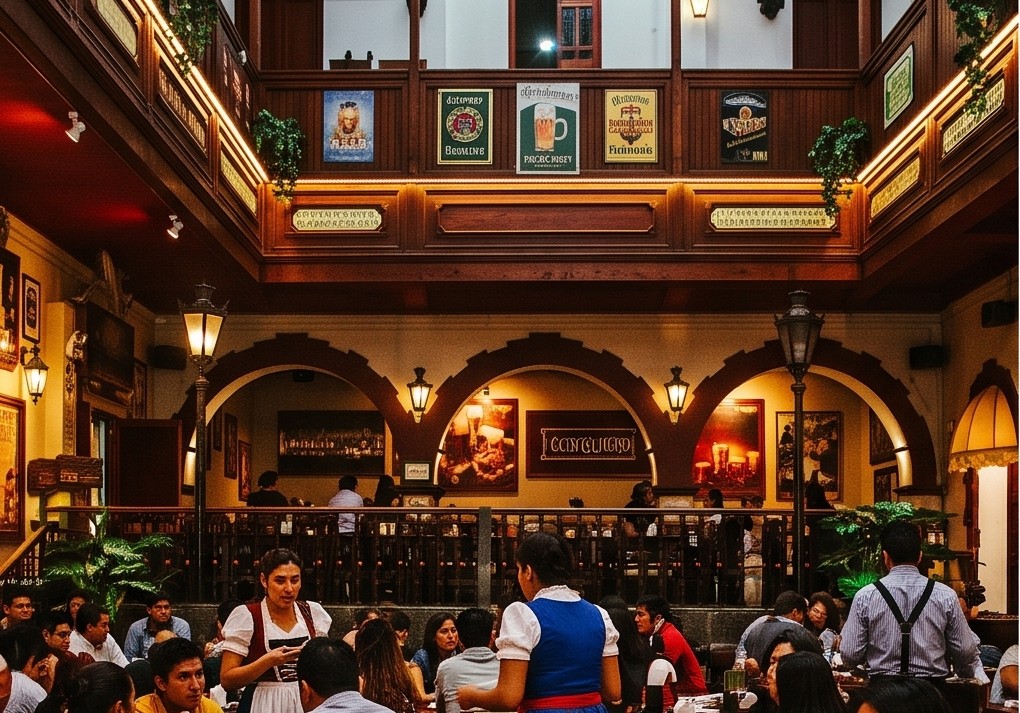
AI-generated image · may differ from the real place Step through the arched entrance of this historic tavern tucked into the pedestrian corridor of Jiron de la Union, where the air carries the toasted malt scent of house brews and the polished sheen of dark cedar. Historically, this thoroughfare linked the viceregal mansions of the Plaza Mayor with the southern promenades, serving as the civic stage where politicians, poets, and craftsmen crossed paths under gas lamps. As you enter, do not rush to the first open booth downstairs; instead, make your way up to the terrace overlooking the stone street below. Here, you can observe the nocturnal flow of pedestrians just as nineteenth-century flaneurs once did. Signal the server for a freshly poured craft beer on tap or an impeccably shaken Pisco Sour, observing the thick crown of egg white foam that resembles the maritime froth of Callao. Drink slowly as the colonial woodwork creaks softly beneath your feet, grounding your senses in the oldest civic heartbeat of the capital.
When you step back out onto the flagstones of Jiron de la Union, cross the pedestrian lane toward the bohemian sanctuary directly opposite.
- 1 min · on site
The Syncretic Vault of Folk Traditions
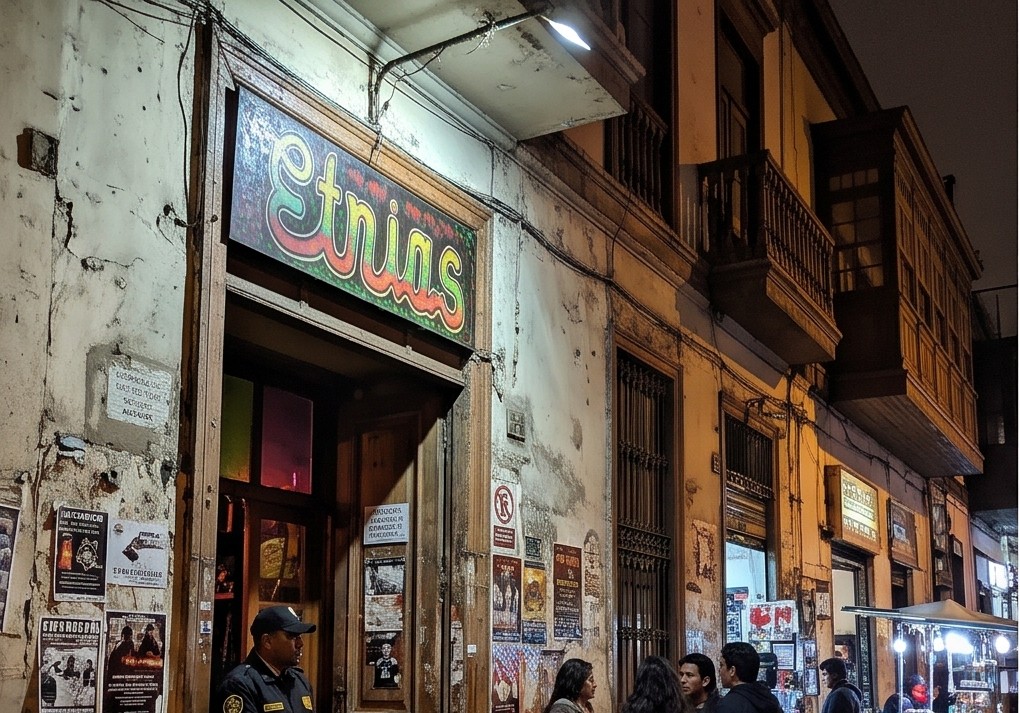
AI-generated image · may differ from the real place Just a few paces across the cobblestones, Etnias Bar Cultural opens like an eclectic cabinet of curiosities dedicated to the syncretic soul of Peru. The walls here are adorned with highland textiles, Amazonian masks, and evocative street murals, transforming the interior into an anthropological salon where Afro-Peruvian cajon rhythms and Andean folklore merge seamlessly with the hum of midnight conversations. While the tempting chill of bottled brews may catch your eye, resist the common draft; instead, ask the bartender for one of their signature house pisco creations or the dramatic Vampiros cocktail, mixed with dark fruit infusions and citrus that recall ancient ceremonial offerings. Notice the intricate weaving hanging above the timber tables, where geometric patterns narrate cosmological journeys through time and space. Sitting here, sipping the aromatic grape spirit, you sense how Lima continuously absorbs the artistic voices of the Andes and the rainforest, refracting them into a vibrant nocturnal mosaic.
From this downtown crucible of folk memory, journey southward past the old republican boundaries into the financial quiet of San Isidro.
- 1 min · on site
Liquid Sculptures and the Mask of Renewal

Photo: Agência de Notícias do Acre · CC BY 2.0 · Original file In the diplomatic enclave of San Isidro, Carnaval approaches mixology not as simple entertainment, but as an avant-garde exhibition of global festivity. Drawing its spiritual inspiration from the ancient rites of Saturnalia and the medieval pageants where social roles were dissolved behind theatrical masks, this establishment treats each glass as a sculptural object. On busy weekend evenings, you must arrive early to secure a prized seat directly at the main bar counter, where you can watch the bartenders work with surgical precision, measuring botanical infusions and balancing aromatic essences like laboratory conservators. Order one of their contemporary pisco creations or an inventive Negroni variation, served in custom crystal with ice carved to immaculate clarity. Look closely at the curios displayed across the illuminated shelving, which evoke the carefree spirit of masquerade and seasonal renewal. Here, the ancestral grape spirit of Ica is elevated into an exquisite dialogue with international modernism, demonstrating that the carnival tradition remains a living, transformative art.
Leaving behind the sculptured geometry of San Isidro, follow the ocean breeze into the bohemian gardens of Miraflores.
- 1 min · on site
Breezes of the Pacific in an Open Pavilion
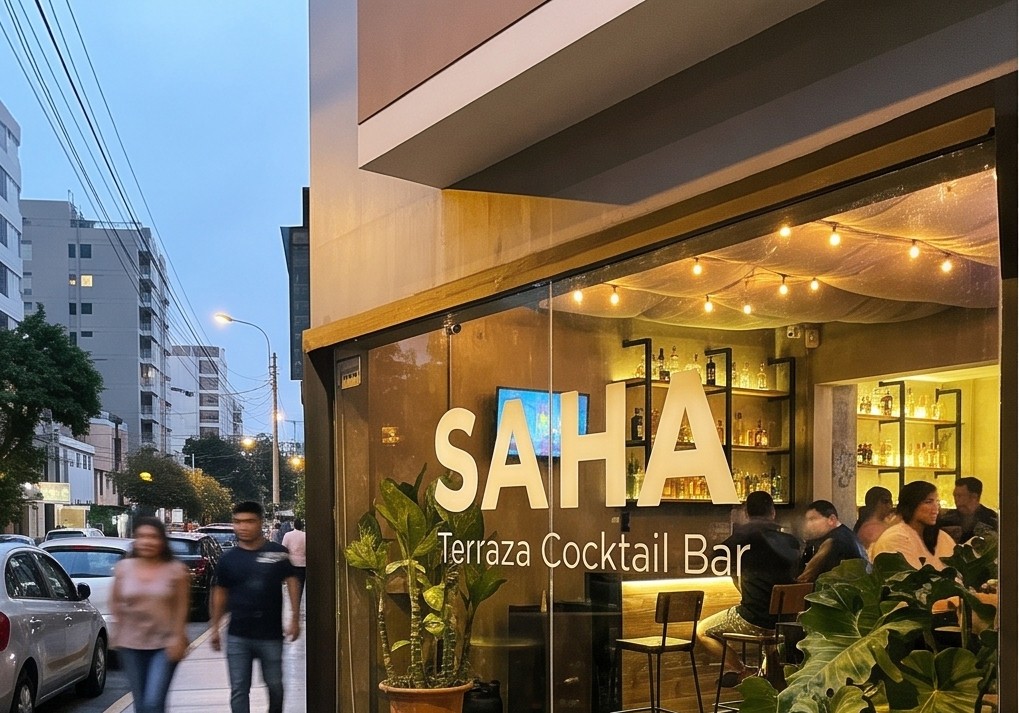
AI-generated image · may differ from the real place Perched above the tree-lined pedestrian avenue of Calle Bolivar in Miraflores, Saha Terraza provides an elevated sanctuary where the cool Pacific air circulates freely. Lima's historic relationship with the sea has always been an open-air drama, from the ancient fishermen who ventured out on reed boats to the nineteenth-century aristocrats who built breezy wooden balconies to escape summer humidity. When you arrive, step past the crowded indoor parlor and ask specifically for an upstairs terrace table, where the gentle coastal breeze provides natural refreshment. The house specialty here centers on timeless traditions: order a meticulously balanced Pisco Sour with its silky crown of aromatic bitters, or a refreshing Pisco Punch, a legendary nineteenth-century concoction blending grape brandy with pineapple and citrus. Notice the leafy canopy framing the night sky above, creating an intimate garden pavilion that feels miles away from the roaring traffic. It is the ideal vantage point to contemplate how Lima balances oceanic vastness with domestic intimacy.
From this coastal garden perch, continue southward along the clifftops toward the historic bohemian mansions of Barranco.
- 1 min · on site
A Labyrinth of Republican Memory
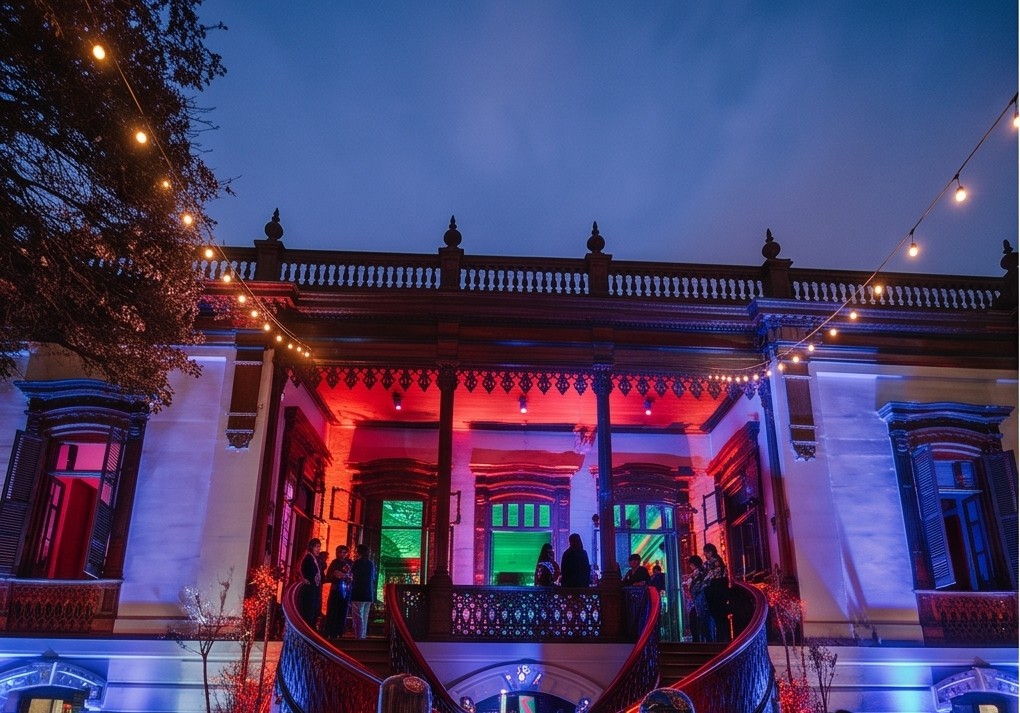
AI-generated image · may differ from the real place Housed within a grand nineteenth-century republican casona on Avenida San Martin, Ayahuasca feels less like a conventional bar and more like an atmospheric period museum reanimated by candlelight. The building itself is an architectural treasure of carved wood, stained glass, and sweeping arched corridors that once sheltered Lima's intellectual and political elite. Rather than settling immediately in the entryway lounge, take time to explore the labyrinth of interconnected rooms before choosing a table. Each chamber possesses its own curated character, furnished with pre-Columbian ceramics, Amazonian ceremonial masks, and deep velvet armchairs. When seated, summon the waiter and request their signature Ayahuasca Mule, which blends crisp ginger and citrus with macerated herbal pisco, or opt for an exemplary classic Pisco Sour. As shadows flicker across the high plaster ceilings, you cannot help but recall the botanist Richard Spruce and the chronicler Jose Chantre y Herrera, whose writings captured the mystical allure of the rainforest vines that now lend their name to this nocturnal sanctuary.
Conclude your nocturnal journey by walking toward Plaza Butters, where the historic pulses of live music and theater converge.
- 1 min · on site
The Polyphonic Rhythms of Plaza Butters
AI-generated image · may differ from the real place Anchoring the cultural periphery at Plaza Butters, Barranco Bar represents the raw, polyphonic culmination of Lima's nocturnal energy. If the earlier stops celebrated architectural silence and contemplative mixology, this grand hall functions as an amphitheater of collective celebration, where Afro-Peruvian rhythm sections collide with modern brass orchestras. Before arriving, make sure to check the night's show lineup, as the stage alternates dynamically between legendary salsa brava ensembles and experimental fusion collectives. Once inside, find a vantage point along the upper perimeter or near the edge of the wooden dance floor. Order a chilled cocktail or a round of pisco, and observe the sheer virtuosity of the percussionists driving the room into shared kinetic motion. It is here, among the dancing bodies and soaring trumpets, that one witnesses the ancient logic of carnival in its purest form: a momentary dissolution of daily burdens, where an entire city rejoices together beneath the coastal dark.
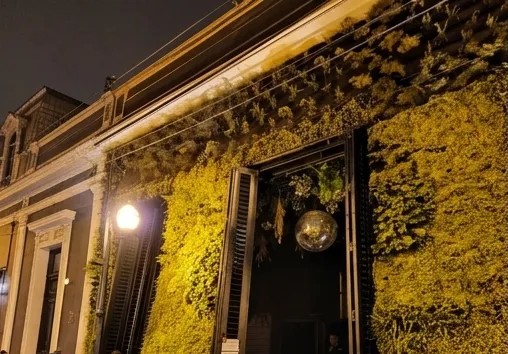

As midnight matures along the Pacific cliffs, Lima reveals itself not as an ordinary metropolis, but as an enduring vessel of human assembly. From the ancient earthen shrine of the speaking oracle to the candlelit salons of republican Barranco, each tavern and terrace visited tonight preserves a fragment of a larger cultural archive. In this coastal capital, every glass raised in good company remains an ongoing conversation between the deep memories of the continent and the living spirit of the night.
Take it further
Open the tour in the appThe tour in the app
From Historic Center to Bohemian Barranco: A Nocturnal Curatorial RouteThis curated nocturnal itinerary traces Lima's historical transformation from the viceregal pedestrian corridors of Jiron de la Union down through modern San Isidro and coastal Miraflores, concluding in bohemian Barranco. Experience historic taverns, avant-garde mixology galleries, breezy coastal terraces, and vibrant live music halls.
+ Add the tour to your planIf you have the app the tour opens right away; otherwise you go to the store.FAQ
- How should a visitor sequence this nocturnal route across Lima?
- Begin in the late afternoon or early dusk in the Historic Center along Jiron de la Union to absorb the viceregal atmosphere, then take transport south toward San Isidro, Miraflores, and Barranco as the evening deepens and musical venues awaken.
- What historical significance does pisco hold across these establishments?
- Pisco is Peru's ancestral grape spirit, distilled in southern coastal valleys since the sixteenth century. From the classic Pisco Sour perfected in republican hotels to inventive infusions crafted at contemporary bars, it serves as the foundational liquid artifact of Lima's social rituals.
- Are there specific protocols for securing seats at these venues?
- For celebrated mixology spaces like Carnaval, arriving early is recommended to secure bar counter seating, while for Barranco Bar, checking the published musical schedule beforehand ensures you experience your preferred live genres.