Contents
History & cultureBY TELLBY2 sections · numbered as on the map01 Liquid Courage and Lantern Light Along the Canals
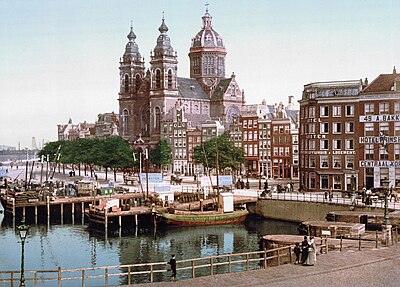
Whenever darkness settles over the water, Amsterdam dissolves into a quiet theatre of black mirrors and amber lanterns. I still remember the first evening I walked along the old sea dike, turning away from the clamour of the central station. A gentle mist drifted off the harbour, dampening the brick facades until every seventeenth-century gable seemed to lean closer under the weight of centuries. The city at night is not a spectacle meant to overwhelm; it is an intimate conversation whispered across centuries of damp earth, reclaimed canals, and dark tavern timber. You step into a labyrinth that was carved out of wet peat and sea tides, where every stone beneath your boots has been smoothed by sailors, merchants, and nocturnal wanderers seeking solace from the damp chill.
Walking these waterways after midnight reveals a solitary truth. This city was never built for haste or grandeur; it was fortified against cold waves and harsh winds by quiet endurance and liquid solace. In the damp cold of northern Europe, warmth has always been something carefully distilled and shared behind heavy wooden doors. The night here belongs to those who linger by waterlines, watching the golden reflections of arched bridges tremble against canal barges. In this labyrinth of quiet waterways, solitary wanderers and weary travellers have always converged to trade the burdens of the day for a measure of warmth, finding in the amber glow of a tavern window a refuge that neither the cold sea nor the passing hours can touch.
The Dike and the Juniper Spirit
It was on the curved cobblestones of Zeedijk, the ancient sea dike that once guarded the settlement against the fierce Zuiderzee, that I began to understand how Amsterdam drinks. In 1544, this winding promenade became the very first street in the city to receive permanent street lights, guiding weary mariners into warm taprooms after months at sea. Centuries ago, during the bitter winters of the Thirty Years War and the Anglo-Dutch Wars, English soldiers fighting across the frozen Low Countries noticed the remarkable calmness of Dutch soldiers before battle. The secret was a fiery spirit distilled from malt and perfumed with wild juniper berries, known to the Dutch as jenever. The English drank it eagerly to warm their freezing blood and steady their trembling nerves, baptizing this newfound valor as Dutch courage. Years later, when King William III of England, who was also Stadtholder of the Netherlands, ascended the English throne, that very Dutch spirit travelled across the North Sea to reshape the drinking houses of Britain.
On this same curving dike, decades later, a woman named Bet van Beeren opened Café t Mandje in 1927. In a world bound by rigid propriety, she threw her doors wide to sailors, prostitutes, and queer men and women who had nowhere else to gather safely. She kept order with fierce affection and an iron hand, turning a modest tavern into a beacon of compassion long before the modern world learned the vocabulary of tolerance. Nearby, a commemorative plaque marks the spot where the American jazz trumpeter Chet Baker fell to his tragic death in 1988, leaving the damp night air thick with the phantom memory of his mournful horn.
The Amber Labyrinth
To walk through Amsterdam after the lanterns flicker awake is to wander through Joseph Conrad's sea-worn reverie, feeling the quiet tide of a port that has witnessed the fortunes of the globe arrive upon wooden hulls. The taverns of this city, from centuries-old brown cafes with sand-strewn floorboards to velvet-curtained cocktail rooms, do not merely serve drinks; they preserve an ancient Dutch sanctuary of conviviality. In the amber stillness of these quarters, you are invited to shed the hurried armor of the everyday, sip the herbal breath of juniper, and let the gentle rhythm of the canals carry your thoughts into the forgiving dark.
02 Where Juniper Meets the Sea
Stepping inside Dutch Courage on the curving lane of Zeedijk felt like stepping out of the North Sea gale and straight into a warm brass and timber cocoon. The air smelled deliciously of malt, dried orange peel, and the sharp pine scent of crushed juniper berries. Along the back shelves, hundreds of bottles glowed under low golden lamps, cataloguing the living lineage of the spirit that warmed seventeenth-century sailors on these very shores. …