Whenever darkness settles over the water, Amsterdam dissolves into a quiet theatre of black mirrors and amber lanterns. I still remember the first evening I walked along the old sea dike, turning away from the clamour of the central station. A gentle mist drifted off the harbour, dampening the brick facades until every seventeenth-century gable seemed to lean closer under the weight of centuries. The city at night is not a spectacle meant to overwhelm; it is an intimate conversation whispered across centuries of damp earth, reclaimed canals, and dark tavern timber. You step into a labyrinth that was carved out of wet peat and sea tides, where every stone beneath your boots has been smoothed by sailors, merchants, and nocturnal wanderers seeking solace from the damp chill.
Walking these waterways after midnight reveals a solitary truth. This city was never built for haste or grandeur; it was fortified against cold waves and harsh winds by quiet endurance and liquid solace. In the damp cold of northern Europe, warmth has always been something carefully distilled and shared behind heavy wooden doors. The night here belongs to those who linger by waterlines, watching the golden reflections of arched bridges tremble against canal barges. In this labyrinth of quiet waterways, solitary wanderers and weary travellers have always converged to trade the burdens of the day for a measure of warmth, finding in the amber glow of a tavern window a refuge that neither the cold sea nor the passing hours can touch.
The Dike and the Juniper Spirit
It was on the curved cobblestones of Zeedijk, the ancient sea dike that once guarded the settlement against the fierce Zuiderzee, that I began to understand how Amsterdam drinks. In 1544, this winding promenade became the very first street in the city to receive permanent street lights, guiding weary mariners into warm taprooms after months at sea. Centuries ago, during the bitter winters of the Thirty Years War and the Anglo-Dutch Wars, English soldiers fighting across the frozen Low Countries noticed the remarkable calmness of Dutch soldiers before battle. The secret was a fiery spirit distilled from malt and perfumed with wild juniper berries, known to the Dutch as jenever. The English drank it eagerly to warm their freezing blood and steady their trembling nerves, baptizing this newfound valor as Dutch courage. Years later, when King William III of England, who was also Stadtholder of the Netherlands, ascended the English throne, that very Dutch spirit travelled across the North Sea to reshape the drinking houses of Britain.
On this same curving dike, decades later, a woman named Bet van Beeren opened Café t Mandje in 1927. In a world bound by rigid propriety, she threw her doors wide to sailors, prostitutes, and queer men and women who had nowhere else to gather safely. She kept order with fierce affection and an iron hand, turning a modest tavern into a beacon of compassion long before the modern world learned the vocabulary of tolerance. Nearby, a commemorative plaque marks the spot where the American jazz trumpeter Chet Baker fell to his tragic death in 1988, leaving the damp night air thick with the phantom memory of his mournful horn.
The Amber Labyrinth
To walk through Amsterdam after the lanterns flicker awake is to wander through Joseph Conrad's sea-worn reverie, feeling the quiet tide of a port that has witnessed the fortunes of the globe arrive upon wooden hulls. The taverns of this city, from centuries-old brown cafes with sand-strewn floorboards to velvet-curtained cocktail rooms, do not merely serve drinks; they preserve an ancient Dutch sanctuary of conviviality. In the amber stillness of these quarters, you are invited to shed the hurried armor of the everyday, sip the herbal breath of juniper, and let the gentle rhythm of the canals carry your thoughts into the forgiving dark.
Want to walk it yourself? Plan a trip with these places
The walk
On site, play just that chapter
- 1 min · on site
Where Juniper Meets the Sea
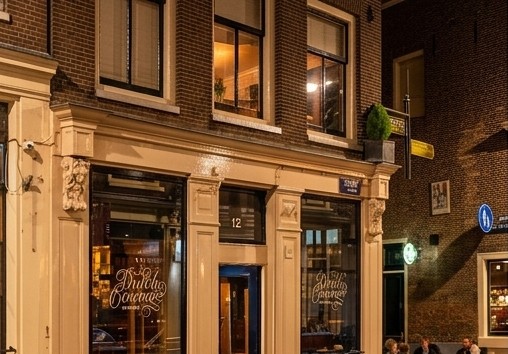
AI-generated image · may differ from the real place Stepping inside Dutch Courage on the curving lane of Zeedijk felt like stepping out of the North Sea gale and straight into a warm brass and timber cocoon. The air smelled deliciously of malt, dried orange peel, and the sharp pine scent of crushed juniper berries. Along the back shelves, hundreds of bottles glowed under low golden lamps, cataloguing the living lineage of the spirit that warmed seventeenth-century sailors on these very shores. I found a corner stool and asked the bartender for a genever tasting flight, watching intently as three distinct varieties were poured into tulip glasses filled to the absolute brim. The tradition requires bowing your head to take that first reverent sip without lifting the glass, a humble gesture born of crowded tavern counters. In that cool, grassy sip, the raw wind outside melted away, replaced by an astonishingly grounding warmth that felt both timeless and deeply personal.
Leaving the maritime curve of the dike behind, I followed the lantern-lit alleys south toward the grand expanse of Dam square.
- 1 min · on site
Bespoke Elegance in Dam Square
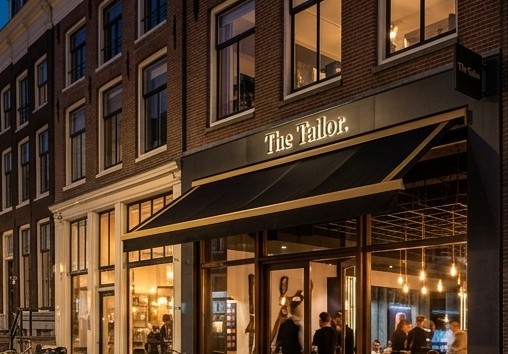
AI-generated image · may differ from the real place Just off the grand stone pavers of Dam Square, nestled quietly within the historic Krasnapolsky building, Bar The Tailor greeted me with the hushed opulence of rich velvet, polished mahogany, and tailored needlework patterns. The room pays tribute to A.W. Krasnapolsky, who began his career in this city as a meticulous tailor before becoming an iconic hospitality visionary. Taking a seat near the handsome wooden counter, I spoke with the bartender, sharing my preference for herbal bitterness, smoky accents, and crisp citrus notes. Watching the mixologist craft a tailor-made cocktail felt like observing a seasoned artisan cutting bespoke cloth, every dash of house-made bitters and precision twist of peel measured to exquisite balance. As I tasted the bespoke creation, the lingering evening clamour of the bustling square outside receded into a velvety, meditative stillness that made time itself seem to pause and unwind.
From the quiet luxury of the square, a short walk south led me down toward the bookstalls and shadowed arches of the Spui.
- 1 min · on site
Sand on the Floorboards

Photo: AnsDuinArt · CC BY-SA 4.0 · Original file At the corner of the Spui, push open the dark, heavy timber door of Café Hoppe and you immediately cross three and a half centuries of unbroken tavern history. The dark oak walls are stained deep bronze by decades of tobacco smoke and peat fires, and fresh sand still scuffs softly beneath your boots across the worn wooden floor. Rather than lingering by the lively front entrance where locals stand shoulder to shoulder, I made my way toward the back room, discovering a tranquil wooden corner tucked under leaded stained glass. Here, the ritual is gloriously simple: a glass of crisp, cold draft beer paired with piping-hot bitterballen, their golden breadcrumb shells yielding a savory, molten beef ragout. Dipping the crunchy croquette into grainy Dutch mustard while listening to the low murmur of local conversations felt like resting inside the beating, unpretentious heart of old Amsterdam.
I stepped back out into the cool evening breeze, crossing east over the quiet bridges toward the majestic curve of the river Amstel.
- 1 min · on site
The Golden Age of the Hotel Lounge
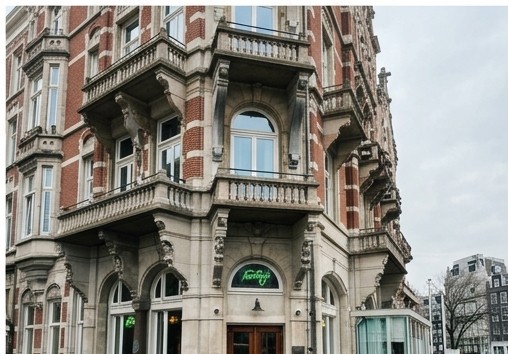
AI-generated image · may differ from the real place Arriving on Nieuwe Doelenstraat, dressed in smart casual attire to honour the grand tradition of Hotel De L'Europe, I slipped into the dimly lit, leather-clad sanctuary of Freddy's Bar. Named after Alfred Heineken, who cherished this very room as his personal nocturnal living room, the bar radiates an unmistakable mid-century romance of mahogany panelling, plush crimson upholstery, and soft jazz piano drifting through the shadows. I settled into a deep armchair overlooking the dark, gliding waters of the Amstel and ordered their legendary Bloody Mary. It arrived exquisitely composed, balanced with savory tomato richness, fiery black pepper, fresh grated horseradish, and an invigorating citrus bite. Gazing out through the tall windows at the illuminated canal bridges reflecting upon the dark water, I felt wrapped in a cinematic grace that belonged entirely to another, more leisurely era.
A gentle wander north along the water brought me to the tranquil bank of Kloveniersburgwal, where reflections of tall canal houses shimmered quietly.
- 1 min · on site
Whispers Behind the Velvet Curtain
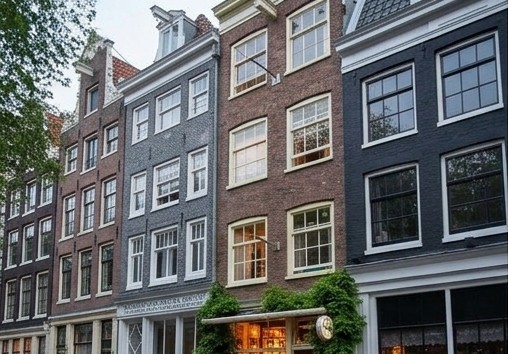
AI-generated image · may differ from the real place Tucked away discreetly behind an unassuming facade along Kloveniersburgwal, Rosalia's Menagerie feels like stumbling upon an intimate, candlelit cabinet of wonders. The tiny parlour holds only a handful of guests, filled with antique curiosities, vintage glassware, and heavy velvet curtains that instantly absorb the chill of the canal outside. Remember to keep your voice down to a soft whisper, for the delicate intimacy of the room is its greatest treasure. I settled onto a cushioned banquette and ordered a craft jenever cocktail, marveling at how the bartender blended traditional Dutch malt-wine notes with subtle botanicals and orchard fruit. Each sip felt like uncovering an artisan secret, layered with complex floral aromas and warm baking spices that rewarded patient, contemplative drinking. In this tiny, enchanted room, the hurried world outside simply ceased to exist.
Crossing the final canal bridge toward the east, I traced the water's edge to the historic lock where the city meets the harbour.
- 1 min · on site
The Leaning Lockkeeper's Hearth

Photo: Sergey Ashmarin · CC BY-SA 3.0 · Original file Standing proudly on the edge of Sint Antoniesluis, De Sluyswacht leans charmingly toward the water, a weathered seventeenth-century lockkeeper's cottage that has stood watch over the shipping canals since 1695. The narrow building tilts visibly on its wooden pilings, an endearing testament to Amsterdam's precarious dance with water and peat. Arriving in the evening, I secured a small wooden table on the outdoor terrace overlooking the Oudeschans canal, watching barges glide silently across the dark waterway while reflections of historic brick gables danced on the ripples. With a cold draft beer and a plate of steaming bitterballen on the table, I watched the distant church bells chime the hour across the skyline. There is no gentler finale to a night in this city than sitting by this ancient sluice, feeling the damp night breeze and knowing that Amsterdam has kept you safe within its embrace.


As the last boat slips under the arch of Sint Antoniesluis and the canal bells fade into the damp mist, Amsterdam returns to the elements from which it was won: dark water, damp earth, and patient stone. The true magic of its night is not found in spectacle, but in the enduring generosity of its hearths. Behind heavy oak doors and beneath amber lamps, this city has spent centuries perfecting the art of shelter, offering every traveler the same quiet promise: no matter how cold the northern wind, here there is always warmth, and here you are welcome.
Take it further
Open the tour in the appThe tour in the app
A Nocturnal Walk Through Maritime Quarters and Canal LoungesThis nocturnal walking route leads you through six historic drinking houses across Amsterdam from the ancient curves of the Zeedijk to the water gates of the Amstel. Experience seventeenth-century tasting rituals, brown cafe conviviality, bespoke hotel lounges, and secluded canal-side sanctuaries that illuminate the tolerant spirit and liquid warmth of the Dutch night.
+ Add the tour to your planIf you have the app the tour opens right away; otherwise you go to the store.FAQ
- What is the traditional Dutch way to drink genever at a historic bar?
- Traditional bars serve genever in a tulip-shaped glass filled to the very brim. To honor tradition without spilling a drop, you keep your hands behind your back, lean forward, and take the first sip directly from the counter before picking up the glass.
- What should I wear when visiting historic bars and classic hotel lounges in Amsterdam?
- Neighborhood brown cafes and cocktail bars generally welcome casual dress, while classic hotel lounges such as Freddy's Bar appreciate smart casual attire such as a collared shirt or tailored jacket.
- How can I best experience the historic atmosphere of a seventeenth-century brown cafe?
- Look for signs of living history such as sand scattered across worn wooden floorboards, dark oak wall paneling stained by centuries of smoke, and quiet back rooms tucked away from the lively front counter.
This piece was newly written based on the Wikipedia articles ‘Zeedijk’, ‘Dutch courage’ · CC BY-SA 4.0