Contents
History & cultureBY TELLBY2 sections · numbered as on the map01 The Hour of Amber and Bittersweet Solitude
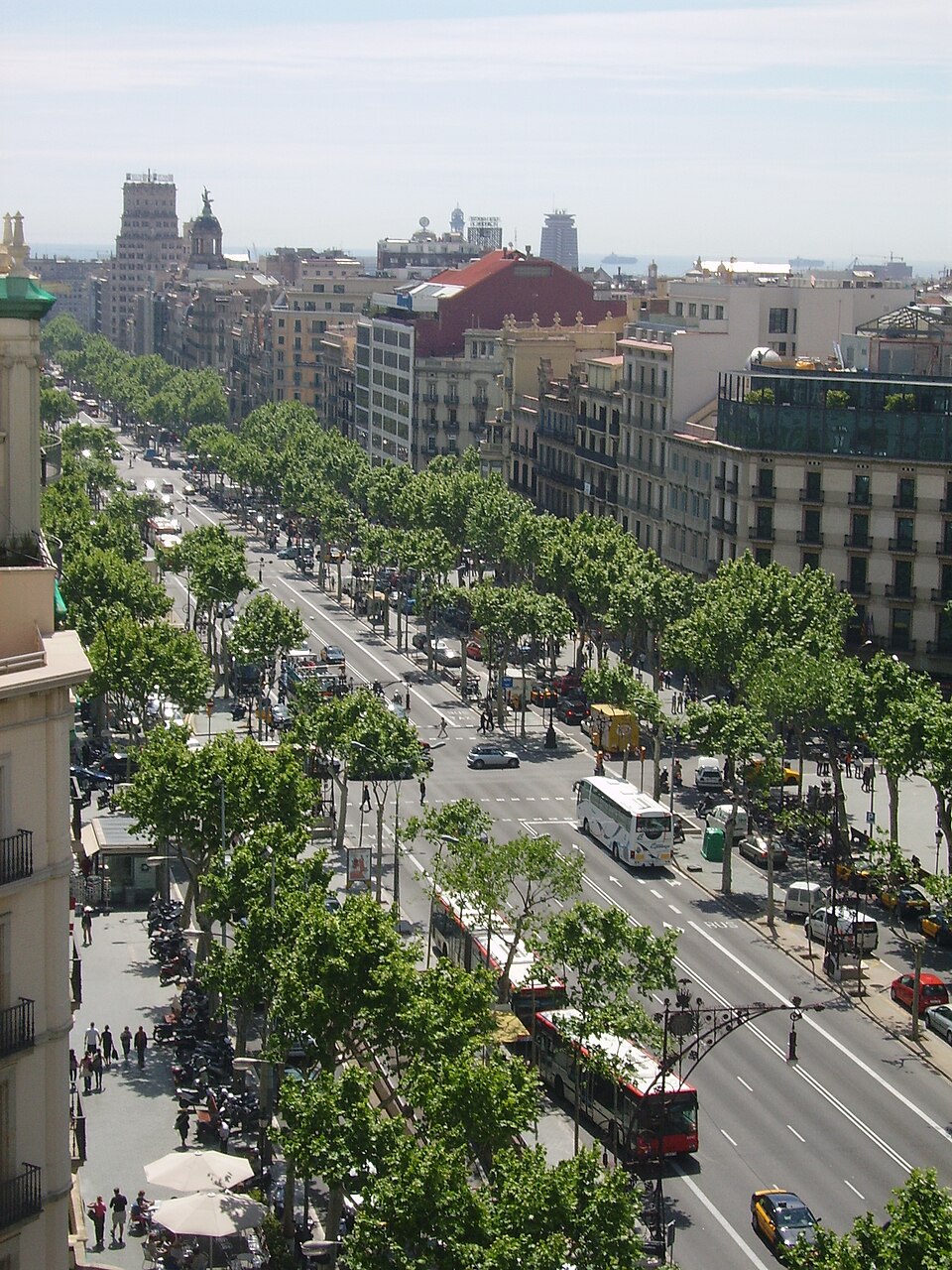
There is a peculiar slant of autumn light that strikes the aged stone facades of Barcelona just before midday, a golden angle that seems to soften the resolve of the working metropolis and summon an ancient, collective thirst. Across shaded historic squares, beneath weathered neoclassical arches, and along the plane-tree lined avenues of the Eixample, heavy wooden doors swing inward, tiled floorboards creak, and the gentle pop of a cork signals that the sacred hour of vermut has officially arrived. In this proud Mediterranean capital, the apéritif is neither an idle distraction nor a hurried prelude to lunch. It is a venerable secular liturgy, a deliberate suspension of ordinary time where neighbors, wanderers, and lifelong companions converge around polished zinc counters and marble bistro tables to sip an amber elixir perfumed with wild wormwood, bitter gentian root, Seville orange peel, and Mediterranean mountain herbs. The drink carries an unmistakable rustic depth, sharp enough to awaken an appetite yet softened by the natural sweetness of aged local grapes and the warmth of midday conversation.
The Apothecary and the Literary Refuge
To partake in vermut here is to touch an intimate thread of urban memory, artisan craft, and literary contemplation that has quietly sustained Catalan city life for generations. Long before modern cocktail cultures crossed continents, neighborhood bodegas were dispensing fortified wines steeped in secret blends of medicinal botanicals. The craft found its definitive regional standard through nineteenth-century pioneers like Don Augustus Perucchi, who founded the territory's first artisanal vermouth house in eighteen seventy-six, using centenarian oak casks and traditional macerations to define the flavor of the city. Over the decades, these unpretentious neighborhood taverns evolved into essential sanctuaries for creative spirits, bohemians, journalists, and political thinkers who sought refuge from tumultuous streets. The beloved Catalan storyteller and satirist Pere Calders found enduring inspiration in these dimly illuminated establishments, observing the tender absurdities and bittersweet ironies of everyday human existence over a sparkling glass. The clinking of heavy vintage soda siphons, the hum of animated debates, and the lingering aroma of aged oak formed the quiet background music of his literary imagination.
The Slow Geography of the Counter
As you walk these storied avenues with this audio companion in your ears, let the hurried tempo of modern sightseeing quietly fade away. You are entering living spaces that have vigorously defended their soul against the homogenizing tides of contemporary life. In these dim tavern sanctums, dusty demijohns and dark wooden barrels still line high timber rafters, sepia-toned mirrors reflect the slow drift of midday light, and glass cases overflow with the salty treasures of the sea. To embrace the vermut hour as locals do, simply surrender to the rhythm of the room. Stand shoulder to shoulder with gray-haired regulars, watch the barman spear a spicy pickled chili, a green Manzanilla olive, and a shimmering anchovy onto a wooden toothpick, and listen to the sharp hiss of carbonated seltz splashing into dark mahogany vermut over a single cube of crystal ice. It is an honest, bittersweet communion of salt, brine, vinegar, and botanical spice, offering a quiet, lingering reminder that the finest moments of travel cannot be scheduled on an itinerary, but only savored in the gentle embrace of the present.
Let each sip ground your footsteps as you journey across the city's cobblestones, leaving behind the glossy storefronts for the comforting embrace of worn wooden thresholds and time-tested hospitality. Here, in the unhurried companionship of the bodega, Barcelona reveals its true domestic warmth, one small glass and one shared plate at a time.
02 Barrels, Brine, and the Gràcia Alchemist
Wander into the heart of Gràcia along Carrer de Joan Blanques until you spot the unassuming doorway of La Vermuteria del Tano, where the atmosphere feels suspended in a golden, unvarnished past. Push past the curtain and take in the magnificent dark wooden casks stacked high behind the worn bar, filling the narrow space with aromas of aged oak and macerated botanicals. Here, the house pours Perucchi vermut, drawn straight from heritage traditions that date back to the late nineteenth century. …