Contents
History & cultureBY TELLBY2 sections · numbered as on the map01 The Wok and the Velvet Mist: Lima's Chifa Odyssey
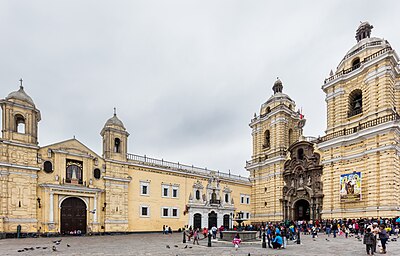
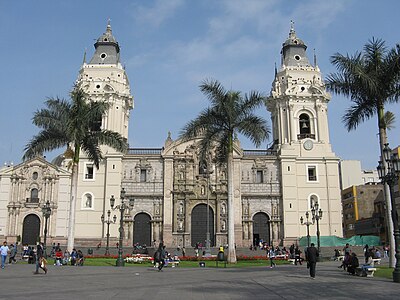
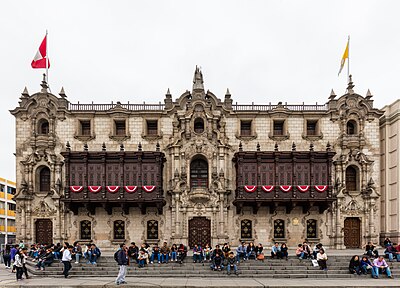
Winter in Lima wears a tailored coat of Pacific sea mist. Locals call it the garúa, a pearl gray coastal gauze that mutes the city's baroque facades and desert skyline into a moody, poetic monochrome. On the bustling stone avenues of the historic center, just steps from the vibrant stalls of the Mercado Central, a magnificent crimson and gold Chinese archway dramatically cuts through the fog. Step beneath its tiled eaves and the ambient temperature shifts immediately. Neon calligraphy glows in saturated red against weathered viceregal balconies. Underfoot, zodiac stones guide your pace along Calle Capón. The intoxicating scent of toasted sesame oil, scorched scallions, and crushed ginger mingles intoxicatingly with the briny ocean air. Huge woks roar behind steamy kitchen windows where whole roast ducks and glazed char siu pork hang like glossy mahogany sculptures. This is Barrio Chino, the beating heart of an enduring culinary romance that Limeños call chifa.
The Wok and the Viceroyalty
In Lima, culinary fusion is never an intellectual gimmick or a fleeting runway trend; it is an inherited urban style, practiced with effortless daily poise. In the late nineteenth and early twentieth centuries, thousands of Cantonese migrants from Guangdong arrived along Peru's arid coast, carrying memories of southern Chinese home hearths into the old Spanish viceregal capital. In his evocative chronicles of Lima, the writer Rafo León recounts that Calle Capón took its peculiar name from the historic livestock pens where pigs, sheep, and oxen were fattened for the nearby central market. Close by stood a parcel of land known as Otaiza, leased by Chinese immigrants who had successfully completed their indentured labor contracts. Armed with culinary ingenuity and entrepreneurial flair, they began doing what they mastered best: merchant trading and magnificent, fiery cooking.
That lively enclave quickly blossomed into the cradle of Chinese Peruvian gastronomy and the first chifas. Soon, all of fashionable Lima was flocking downtown to feast at pioneering establishments like Ton Kin Sen, Thon Po, Men Yut, and San Joy Lao, where elegant society figures dined while dancing to live orchestras. The melodic Cantonese call to dinner, sik faan la, or the familiar greeting ni chi fan, asking if you had eaten yet, was eagerly adopted by Limeños and christened into the beloved word chifa. In the exact same musical cadence, the Cantonese term for fried rice, chau fan, evolved into chaufa, the indispensable companion to every Peruvian meal.
The Modern Ritual
The New York Times critic Eric Asimov observed this brilliant phenomenon, praising Peruvian gastronomy as one of the world's most significant cuisines and the preeminent global exemplar of fusion. The secret of chifa lies in its confident dialogue with local terroirs. Cantonese cooks never attempted a precious, nostalgic museum replica of Canton. Instead, they seized the vibrant Peruvian pantry: searing prime beef tenderloin with Andean ají amarillo chilis, crisp red onions, and hand-cut fried potatoes over volcanic wok flames to invent lomo saltado. Decades later, visionary chefs like Gastón Acurio would celebrate these heritage intersections on world stages, demonstrating that Lima's contemporary gastronomic genius was forged directly over the immigrant wok.
Today, with thousands of chifas spanning the capital from bohemian street canteens to polished residential dining rooms, this cuisine represents the essential urban uniform of Lima. It is an everyday civic ritual of high taste, generous spirit, and theatrical heat. As you sit before a smoking platter of chaufa glistening under the gentle glow of lanterns or chandeliers, you taste a centuries-old dialogue between two proud coasts, written in fire, soy, and sweet ají.
02 Orchestras, Heritage, and Glazed Mahogany
Stand before the carved wooden doors of San Joy Lao on Jirón Ucayali and you are standing at the threshold of living myth. In the roaring 1920s, this very salon was where Limeño high society came to sip pisco, savor Cantonese banquets, and dance to a full orchestra. The air inside still carries that vintage grandeur, layered with the rich, caramelized perfume of hanging roast meats. …