Winter in Lima wears a tailored coat of Pacific sea mist. Locals call it the garúa, a pearl gray coastal gauze that mutes the city's baroque facades and desert skyline into a moody, poetic monochrome. On the bustling stone avenues of the historic center, just steps from the vibrant stalls of the Mercado Central, a magnificent crimson and gold Chinese archway dramatically cuts through the fog. Step beneath its tiled eaves and the ambient temperature shifts immediately. Neon calligraphy glows in saturated red against weathered viceregal balconies. Underfoot, zodiac stones guide your pace along Calle Capón. The intoxicating scent of toasted sesame oil, scorched scallions, and crushed ginger mingles intoxicatingly with the briny ocean air. Huge woks roar behind steamy kitchen windows where whole roast ducks and glazed char siu pork hang like glossy mahogany sculptures. This is Barrio Chino, the beating heart of an enduring culinary romance that Limeños call chifa.
The Wok and the Viceroyalty
In Lima, culinary fusion is never an intellectual gimmick or a fleeting runway trend; it is an inherited urban style, practiced with effortless daily poise. In the late nineteenth and early twentieth centuries, thousands of Cantonese migrants from Guangdong arrived along Peru's arid coast, carrying memories of southern Chinese home hearths into the old Spanish viceregal capital. In his evocative chronicles of Lima, the writer Rafo León recounts that Calle Capón took its peculiar name from the historic livestock pens where pigs, sheep, and oxen were fattened for the nearby central market. Close by stood a parcel of land known as Otaiza, leased by Chinese immigrants who had successfully completed their indentured labor contracts. Armed with culinary ingenuity and entrepreneurial flair, they began doing what they mastered best: merchant trading and magnificent, fiery cooking.
That lively enclave quickly blossomed into the cradle of Chinese Peruvian gastronomy and the first chifas. Soon, all of fashionable Lima was flocking downtown to feast at pioneering establishments like Ton Kin Sen, Thon Po, Men Yut, and San Joy Lao, where elegant society figures dined while dancing to live orchestras. The melodic Cantonese call to dinner, sik faan la, or the familiar greeting ni chi fan, asking if you had eaten yet, was eagerly adopted by Limeños and christened into the beloved word chifa. In the exact same musical cadence, the Cantonese term for fried rice, chau fan, evolved into chaufa, the indispensable companion to every Peruvian meal.
The Modern Ritual
The New York Times critic Eric Asimov observed this brilliant phenomenon, praising Peruvian gastronomy as one of the world's most significant cuisines and the preeminent global exemplar of fusion. The secret of chifa lies in its confident dialogue with local terroirs. Cantonese cooks never attempted a precious, nostalgic museum replica of Canton. Instead, they seized the vibrant Peruvian pantry: searing prime beef tenderloin with Andean ají amarillo chilis, crisp red onions, and hand-cut fried potatoes over volcanic wok flames to invent lomo saltado. Decades later, visionary chefs like Gastón Acurio would celebrate these heritage intersections on world stages, demonstrating that Lima's contemporary gastronomic genius was forged directly over the immigrant wok.
Today, with thousands of chifas spanning the capital from bohemian street canteens to polished residential dining rooms, this cuisine represents the essential urban uniform of Lima. It is an everyday civic ritual of high taste, generous spirit, and theatrical heat. As you sit before a smoking platter of chaufa glistening under the gentle glow of lanterns or chandeliers, you taste a centuries-old dialogue between two proud coasts, written in fire, soy, and sweet ají.
Want to walk it yourself? Plan a trip with these places
The walk
On site, play just that chapter
- 1 min · on site
Orchestras, Heritage, and Glazed Mahogany
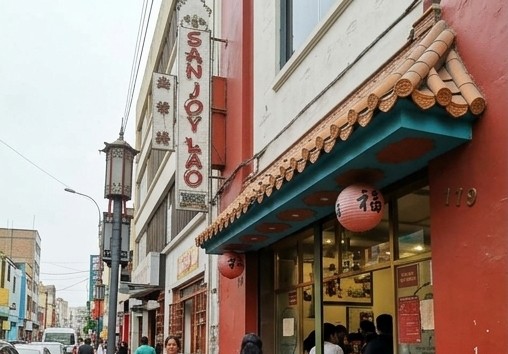
AI-generated image · may differ from the real place Stand before the carved wooden doors of San Joy Lao on Jirón Ucayali and you are standing at the threshold of living myth. In the roaring 1920s, this very salon was where Limeño high society came to sip pisco, savor Cantonese banquets, and dance to a full orchestra. The air inside still carries that vintage grandeur, layered with the rich, caramelized perfume of hanging roast meats. Look toward the glass-enclosed carving station at the front, where mahogany slabs of chancho char siu drip with sweet spiced glaze. Arrive early before the midday lunch rush floods the dining room. Secure a red leather booth and order the signature char siu pork paired with steaming arroz chaufa de pollo. Notice the texture of the rice: each grain is separate, kissed by the smoky breath of the wok, speckled with crisp scallions and golden scrambled egg. It is rustic, aristocratic, and completely timeless.
Step back out into the sunlit buzz of Calle Capón and turn the corner into Jirón Paruro to find a grand temple of celebration.
- 1 min · on site
Dragon Pillars and the Architecture of Joy
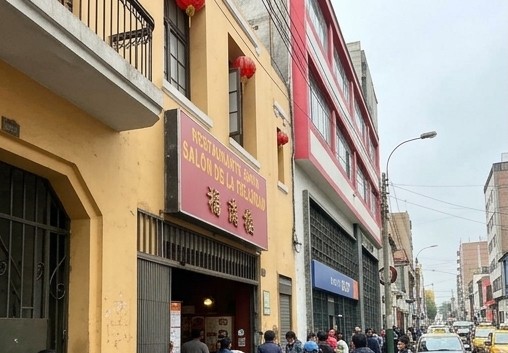
AI-generated image · may differ from the real place A few paces down Jirón Paruro brings you beneath the radiant gold and crimson sign of Salón De La Felicidad. The dining hall unfolds like a multi-tiered banquet palace, shimmering with ornamental dragon pillars, red silk lanterns, and mirrors that multiply the joyful clatter of porcelain. Families gather here around revolving lazy susans, conducting an exuberant weekly ritual that feels both deeply Cantonese and utterly Limeño. Take time to stroll the bustling street market outside before stepping into this opulent sanctuary. When the waiter approaches, make your signature request: crisp golden wantanes accompanied by sweet and sour tamarind dip, followed by their classic chaufa. Listen to the unmistakable snap as your chopsticks break into the freshly fried wantán skin. The balance between sweet, tart, and savory is executed with effortless precision, turning comfort food into an art form.
Walk south along the same block of Jirón Paruro to reach a discreet culinary institution revered by Lima's top chefs.
- 1 min · on site
The Wok Hei of Chinatown Royalty

Photo: rat_racer · CC BY-SA 2.0 · Original file Further down Jirón Paruro sits Wa Lok, an address that whispers authority rather than ostentation. Its jade-accented facade gives way to a serious, bustling dining room where Limeño politicians, poets, and discerning families convene over massive shared feasts. The energy here is infectious: white-jacketed servers navigate narrow aisles with trays of sizzling clay pots and steaming platters. Always come hungry and insist on ordering family style, because generosity is the ruling aesthetic of this house. Order the langostinos saltados, plump Pacific prawns flashed in the wok with ginger and scallions, alongside a heaping bowl of dark, fragrant chaufa. Notice the delicate glaze on the prawns; there is no heavy starch dulling the sweetness of the sea. The wok hei here is pristine, crisp, and undeniably refined, capturing the essence of Chinatown at its culinary zenith.
Leave the historic heart of Barrio Chino behind and take a sleek drive south toward the polished avenues of San Isidro.
- 1 min · on site
Haute Gastronomy on Javier Prado
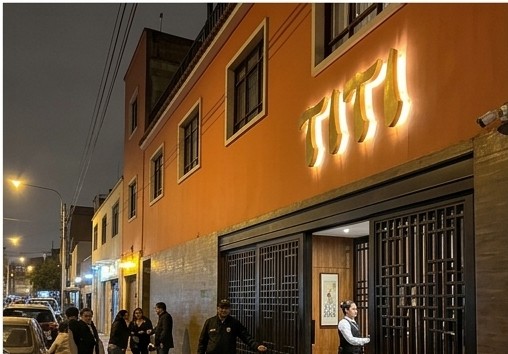
AI-generated image · may differ from the real place On Avenida Javier Prado Este, amid the glass towers and embassies of San Isidro, Chifa Titi stands as the undisputed cathedral of fine Cantonese-Peruvian dining. Founded decades ago by the Au family, Titi has elevated chifa from neighborhood comfort to haute gastronomy without losing an ounce of soul. The room is hushed, dressed in muted linen, dark wood, and sculptural modern lighting. Because tables fill weeks in advance, booking ahead is an absolute prerequisite. Once seated, gaze toward the open service bar and place your order for their legendary pato asado, roast duck lacquered to crisp amber perfection, served alongside an ethereal arroz chaufa. The duck skin shatters delicately under the tooth, yielding tender meat infused with five spice and citrus notes. It is an uncompromising masterclass in texture, proving how sophisticated street-born traditions become in master hands.
Glide eastward into the stylish residential district of San Borja, where contemporary design reinvents the heritage wok.
- 1 min · on site
Runway Glamour and Avant-Garde Dim Sum
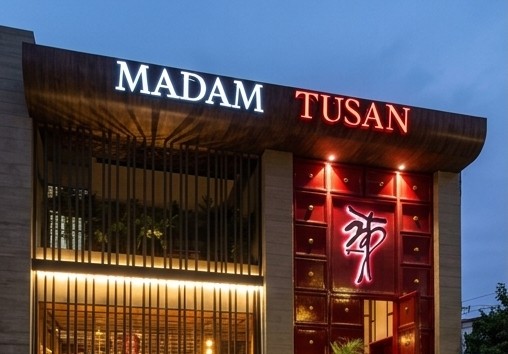
AI-generated image · may differ from the real place In San Borja along Calle Morelli, Madam Tusan greets you with dramatic contemporary flair and unapologetic attitude. Conceived under the creative eye of culinary icon Gastón Acurio, this striking establishment reimagines the chifa tradition through a sleek, theatrical lens. Look up as you enter to admire the serpentine crimson dragon twisting across the ceiling, bathed in moody shadows and stylish ambient lighting. This spacious venue provides an effortless, chic alternative whenever the downtown sister room is busy. Begin your feast with bamboo steamers of handcrafted siu mai, plump with savory pork and fresh shrimp, before diving into their wok-tossed arroz chaufa de pollo. Take note of how the kitchen accents delicate Cantonese dumplings with subtle drips of smoky Andean chili oil. It is chifa redefined for the modern runway: bold, provocative, and exceptionally polished.
Head toward the coastal breezes of Miraflores for your final evening destination tucked along a tranquil residential avenue.
- 1 min · on site
Velvet Banquettes and Miraflores Nights
AI-generated image · may differ from the real place Tucked away on quiet Carlos Tenaud in Miraflores, Chifa Hou Wha offers an intimate, velvet-hued retreat from the coastal boulevard. For generations, refined Limeño gourmands have treated Hou Wha as their private salon for celebratory feasts and relaxed conversation. The interior exudes mid-century elegance, with plush banquettes, polished timber panels, and warm pendant lamps casting a golden glow over white tablecloths. Plan for a leisurely multi-course evening; rushing here would miss the entire aesthetic point. Begin with their restorative sopa wantán, a crystal-clear broth steeped with leafy greens and delicate dumplings, before the theatrical arrival of pato pekinés. Watch as the server carves the mahogany skin tableside, wrapping it in whisper-thin crepes with scallions and sweet hoisin. Savor the silence between bites as the Pacific evening cools outside. It is the perfect, poetic finale to Lima's Chinese culinary odyssey.
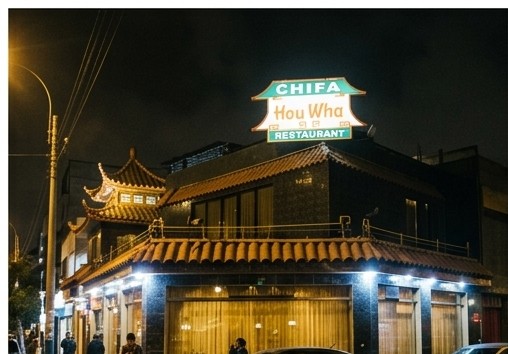

In the end, chifa is more than Lima's favorite dinner; it is the city's chosen aesthetic silhouette. Born in the humble alleyways of Otaiza and perfected in grand mid-century salons, this culinary marriage reminds us that true elegance belongs not to rigid purity, but to the fearless, flame-kissed embrace of two worlds.
Take it further
Open the tour in the appThe tour in the app
Flavors of Fire: Lima's Iconic Chifa TrailA curated sartorial voyage through Lima's iconic Chinese Peruvian dining rooms, tracing the historic woks of downtown Calle Capón to the gilded banquet halls of San Isidro and the contemporary salons of Miraflores. Experience living culinary heritage, vintage dance orchestra nostalgia, and fiery wok artistry.
+ Add the tour to your planIf you have the app the tour opens right away; otherwise you go to the store.FAQ
- What distinguishes Peruvian chifa from traditional Cantonese dining?
- Chifa is Cantonese culinary technique boldly wedded to the Peruvian pantry. Traditional Cantonese wok hei fuses with native Andean ají amarillo chilis, red onions, splashy vinegar, and Peruvian fried potatoes, creating iconic hybrid staples like lomo saltado and chaufa.
- What is the recommended ritual when dining at a historic chifa?
- Always order family style. Anchor the table with a steaming platter of chaufa, add a signature roast meat such as char siu or crisp lacquered duck, and begin with hand-rolled wantanes or siu mai dumplings shared around the table.
This piece was newly written based on the Wikipedia articles ‘Chifa’, ‘Peruvian cuisine’ · CC BY-SA 4.0