 Photo Wikimedia Commons
Contents
History & cultureBY TELLBY7 sections · numbered as on the map01 Orientation
Welcome to the Historic Quarter of the City of Colonia del Sacramento, a captivating coastal settlement located on the northern shore of the Río de la Plata in Uruguay. This ancient port city represents a remarkable chapter in South American history, shaped by a century of intense colonial rivalry between Portugal and Spain. The Historic Quarter was recognized as a UNESCO World Heritage Site because it presents a rare and well preserved urban layout that does not follow the rigid grid pattern typically mandated by Spanish colonial rule under the Laws of the Indies. Instead, the settlement features an organic street plan designed to adapt naturally to the undulating coastal topography, reflecting both its strategic military origin and a deeply human scale that harmonizes seamlessly with the surrounding landscape.
Situated on a short peninsula opposite Buenos Aires, the city is surrounded by water on three sides, creating an intimate relationship between its historic architecture and the expansive river landscape. As you wander through its quiet, tree lined public spaces and cobblestone streets, you will observe low rise, single storey houses that define the visual character of the neighborhood. The modest civil and religious structures built with sturdy stone walls, wooden roof frameworks, and clay tile roofing showcase traditional construction methods mastered by Lusitanian and Spanish builders alike. During the second half of the nineteenth century, European immigrant artisans further enriched this architectural tapestry, creating a unique urban fabric that blends solemnity with domestic charm across every corner of the district.
Our audio tour offers a comprehensive journey through the key landmarks of this historic site. We begin our stroll at the Portón de Campo, the historic city gate complete with a wooden drawbridge that once controlled access across the defensive perimeter. From there, we proceed down the cobblestone incline of the Calle de los Suspiros, where stone drainage channels run along the center of the lane. Our path leads to the romantic ruins of the San Francisco Convent, above which stands the soaring white beacon of the nineteenth century Colonia Lighthouse. We then visit the Basílica del Santísimo Sacramento, a historic stone church rebuilt after enduring numerous military sieges. Finally, we travel slightly northward to explore the grand Plaza de toros Real de San Carlos, a restored Neo Moorish arena that stands as a testament to early twentieth century heritage refunctionalization. Please take your time to enjoy the calm atmosphere and rich legacy preserved along these timeless shores, where history lives on in every stone.
02 Portón de Campo: The City Gate and Drawbridge
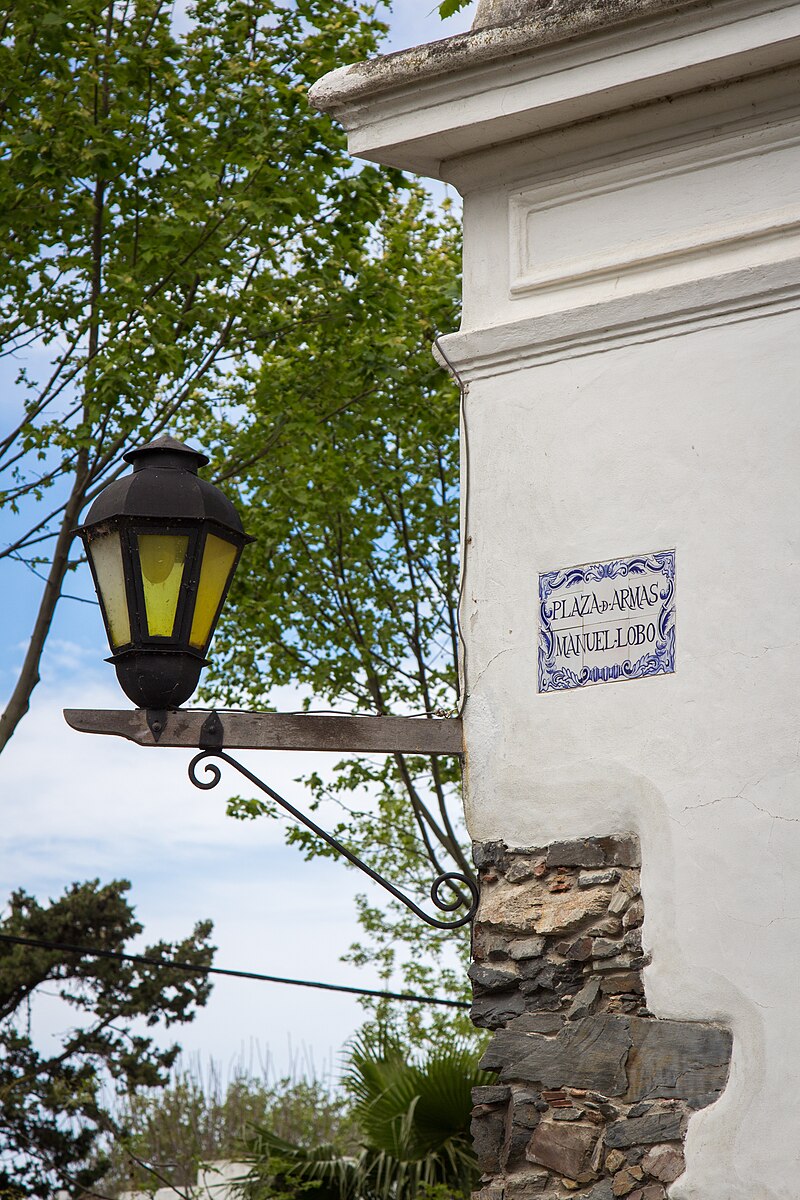
In 1680, the Portuguese commander Manuel Lobo arrived at this remote riverbank with just five ships and four hundred men to establish a military post, marking the surprising beginning of a century of imperial confrontation on the shores of the Río de la Plata. His expedition was not merely a fleet of warships, but a carefully organized colonizing force that included seasoned soldiers, skilled craftsmen, carpenters, stonecutters, and eighteen heavy artillery guns brought aboard to defend the…
03 Calle de los Suspiros: Street of Sighs
Unlike the rigid checkerboard grid pattern strictly imposed across Spanish America under colonial regulations, this romantic street represents a surprising departure as an organic, terrain-fitting pathway shaped by Portuguese urban design principles. Rather than reordering the landscape with artificial straight lines and right angles, the early Lusitanian builders chose to lay out streets that conformed to the natural contours, crests, and gentle slopes of the coastal terrain. …
04 Convent of San Francisco Ruins and the Lighthouse
The soaring white lighthouse rising directly from the center of the seventeenth-century red brick ruins of the San Francisco Convent presents a surprising and unforgettable architectural synthesis. Rather than standing as isolated monuments from separate eras, the ruined religious structure and the nineteenth-century navigational beacon are physically joined together in a single dramatic complex. …
05 Basílica del Santísimo Sacramento: Basilica of the Holy Sacrament
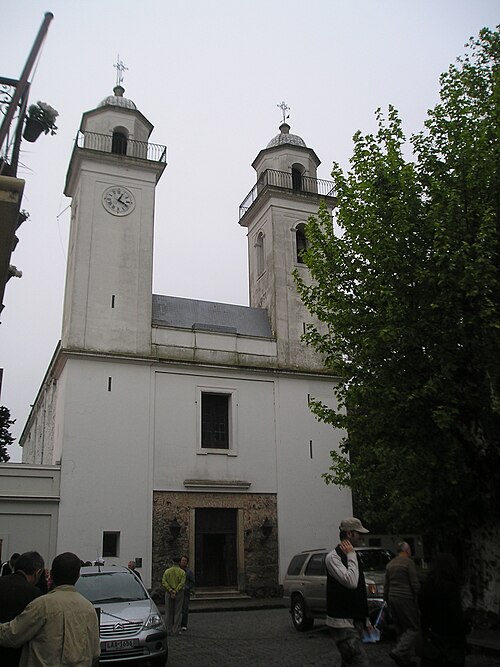
Reconstructed in solid stone in 1808 after enduring over a century of continuous colonial warfare, the Basílica del Santísimo Sacramento stands today as a surprising testament to spiritual resilience and one of the oldest surviving churches in Uruguay. While earlier wooden and earth structures on this sacred site were repeatedly damaged or destroyed during successive military sieges, the present basilica was built with heavy masonry walls designed to withstand the test of time and environmental…
06 Plaza de toros Real de San Carlos: The Historic Bullring
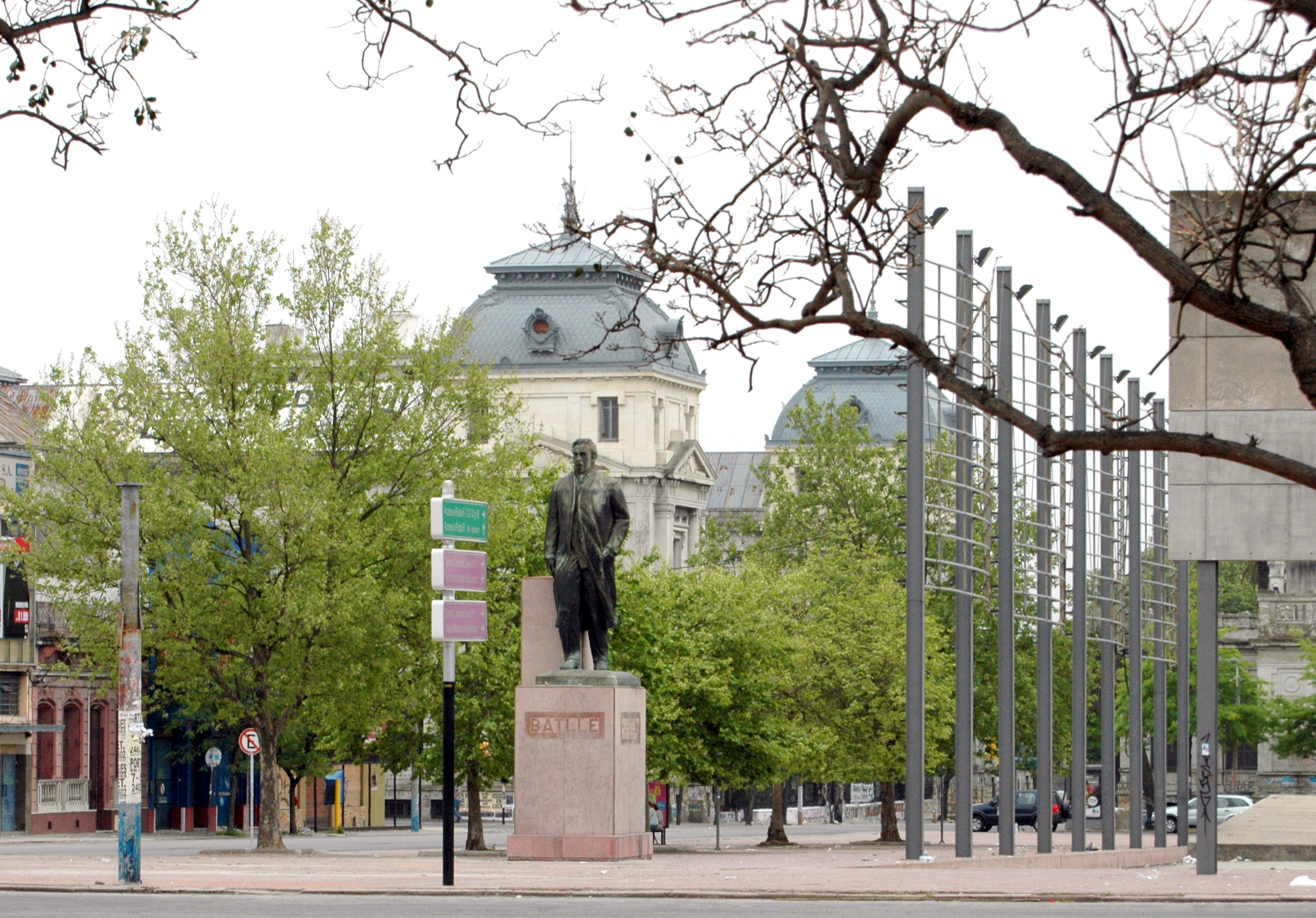
Opening in January 1910 with grand fanfare and international attendance, the Plaza de toros Real de San Carlos represents a tragic and dramatic piece of regional history, as it was forced to permanently cease bullfighting operations just two years later in 1912 following a nationwide ban enacted by President José Batlle y Ordóñez. Built as the centerpiece of a major tourist complex, the massive circular arena held thousands of spectators during its brief initial operational period. …
07 Closing
This concludes our audio guide journey through the Historic Quarter of the City of Colonia del Sacramento, a living heritage site that has preserved its profound human scale and unique atmosphere despite a century of fierce territorial conflict between the Portuguese and Spanish empires. Starting at the historic city gate and wooden drawbridge, our walk has led us through the organic curves of the Street of Sighs, past the soaring lighthouse anchored in convent ruins, alongside the resilient…