 Photo Wikimedia Commons
Contents
History & cultureBY TELLBY8 sections · numbered as on the map01 Orientation
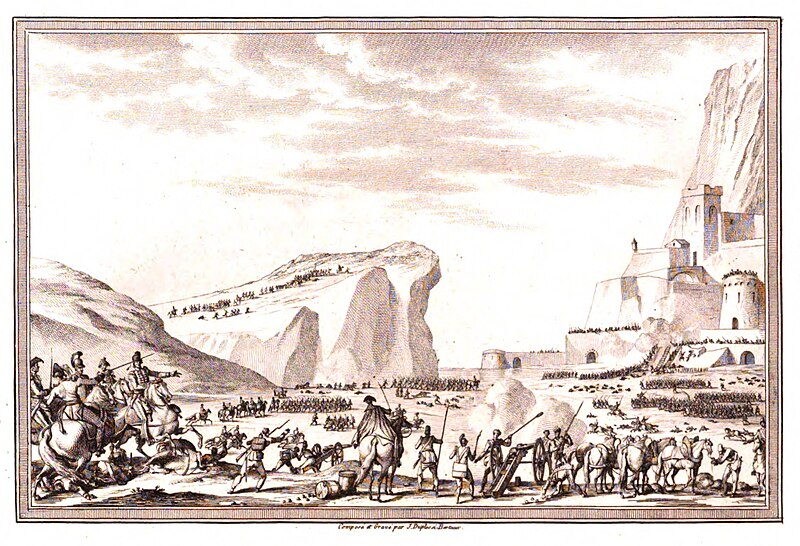
Welcome to the majestic highlands of the Satpura Range in the Amravati district of Vidarbha, Maharashtra. Standing proudly atop a formidable peak at an altitude of over eleven hundred meters above sea level, Gawilghur Fort has served for centuries as an imposing stronghold guarding the northern approaches of the Deccan Plateau. This ancient fortress lies in close proximity to the lush, green landscapes of Chikhaldara hill station, Maharashtra's sole coffee growing region, and overlooks the vast wilderness of the Melghat Tiger Reserve, home to Bengal tigers, leopards, Indian bison, sloth bears, and rare avian species. Here, extraordinary natural beauty harmonizes seamlessly with centuries of rich military heritage. The name Gawilghur is derived from the Gawli community, traditional cowherds who inhabited the historic Berar region for centuries. In the twelfth century, the fort originated as a simple earthwork structure built by a local Gawli ruler. However, its transformation into a massive stone citadel began in fourteen twenty-five AD, when Ahmed Shah Wali, the ninth ruler of the Bahmani Sultanate, encamped at nearby Ellichpur and recognized the site's supreme strategic importance. Rather than destroying the prior structure, he directed extensive stone fortification works built upon the existing mud foundation, establishing the formidable defensive framework that endures today. Over the following centuries, Gawilghur evolved into a coveted strategic prize, passing through the hands of multiple ruling dynasties including the Bahmani Sultanate, Berar Sultanate, Gujarat Sultanate, Mughal Empire, Gond rulers, and the Maratha Empire. Under the leadership of the Maratha Peshwas and Rajput commanders, the defensive ramparts and bastions were significantly reinforced to withstand external invasions. In December eighteen hundred and three, during the Second Anglo Maratha War, the fort became the battleground for a famous siege led by British forces under Major General Arthur Wellesley, who later became the Duke of Wellington, against the Maratha garrison commanded by Killedar Rana Shivdeosingh Rajput. The climate of this elevated sanctuary varies dramatically across the seasons. The monsoon months from July to September bring mist covered peaks, cascading waterfalls, and vibrant green vegetation, while the cool and pleasant winter season from October to March provides ideal conditions for exploring the historic ruins. As you begin your journey through Gawilghur Fort, you will encounter seven monumental stone gates, intricate Persian inscriptions, the grand arches of the Jama Masjid, vital water reservoirs known as Devtalav and Khantalav, and outer wall breaches that still bear physical testimony to heavy artillery bombardments. Step forward now as we walk through the ancient gateways to uncover the valour, engineering genius, and enduring legacy of this magnificent Satpura fortress.
02 Delhi Darwaza: The Grand Entrance
Visitors, you are now standing directly before the grand main entrance of Gawilghur Fort, known as the Delhi Darwaza, or Delhi Gate. Among the seven ancient stone gateways preserved within this mountain fortress, Delhi Darwaza is the largest, most monumental, and visually commanding. Functioning as the primary portal into the vast fortification complex, this entrance was specifically engineered to instill awe and intimidate approaching hostile forces. …
03 Outer Ramparts and the 1803 Artillery Breaches
Now, please follow the guided path along the expansive outer defensive perimeter and massive stone ramparts of Gawilghur Fort. The towering curtain walls before you stretch across the high mountain ridges, representing an extraordinary defensive shield constructed and reinforced over centuries by the Bahmani Sultanate and the Maratha Empire. …
04 The Ravine of Heroics: Captain Campbell's Escalade
Visitors, you are now standing at the edge of the dramatic natural ravine that divides the inner citadel from the outer fortifications of Gawilghur Fort. Featuring sheer rock cliffs, precipitous drops, and dense mountain vegetation, this formidable gorge served for centuries as a vital natural barrier between the fort's primary defensive zones. More importantly, this exact spot was the setting for the decisive turning point in the epic battle of December fifteenth, eighteen hundred and three. …
05 Jama Masjid and Palace Ruins
You have now entered the royal precincts and inner court located at the heart of Gawilghur Fort's inner citadel. In bygone centuries, this elevated area served as the administrative and residential core of the stronghold, housing ruling sovereigns, royal families, and high ranking military commanders. …
06 Water Systems: Devtalav and Khantalav Tanks
Please step toward the central water harvesting sector of the inner citadel, home to Gawilghur Fort's vital ancient reservoirs, known as Devtalav and Khantalav. In a hilltop stronghold situated at an elevation of over eleven hundred meters above sea level, securing a continuous, reliable water supply was the single most critical factor determining military survival. …
07 The Legendary Breach Cannon
You have now ascended to the high stone bastion overlooking the entire valley, representing the highest vantage point within Gawilghur Fort. This commanding bastion offers the most spectacular panoramic scenery in the region, while preserving one of the most famous pieces of historical artillery in Indian fortress history. Positioned prominently upon the stone platform rests a heavy historical cannon, positioned exactly where it once defended the citadel against besieging armies. …
08 Closing
Dear visitors, our historical journey through Gawilghur Fort has now come to a meaningful conclusion. We hope this audio guide tour through the high altitudes of the Satpura Range has provided you with deep historical insights and an unforgettable experience. Gawilghur's remarkable story began in the twelfth century as a modest mud fortification built by the local Gawli cowherds. …