 Photo Wikimedia Commons
Contents
History & cultureBY TELLBY7 sections · numbered as on the map01 Orientation
Welcome to Sapodilla Cayes, a breathtaking archipelago of low sandy islands floating like radiant jewels in the shimmering turquoise waters of the Gulf of Honduras. As the southernmost atoll system within the world famous Belize Barrier Reef Reserve System, this magnificent marine realm was formally inscribed as a UNESCO World Heritage site in nineteen ninety six. Representing the largest barrier reef in the Northern Hemisphere, the Belize shelf exhibits an extraordinary spectrum of coastal and marine geomorphology, ranging from shallow fringing reefs and sheltered lagoons to rare oceanic atolls and expansive seagrass meadows. These dynamic and interconnected ecosystems provide an indispensable sanctuary for a extraordinary diversity of marine life, including threatened West Indian manatees, sea turtles, and hundreds of vibrant reef fish species, making this sanctuary an irreplaceable ecological treasure of outstanding universal value.
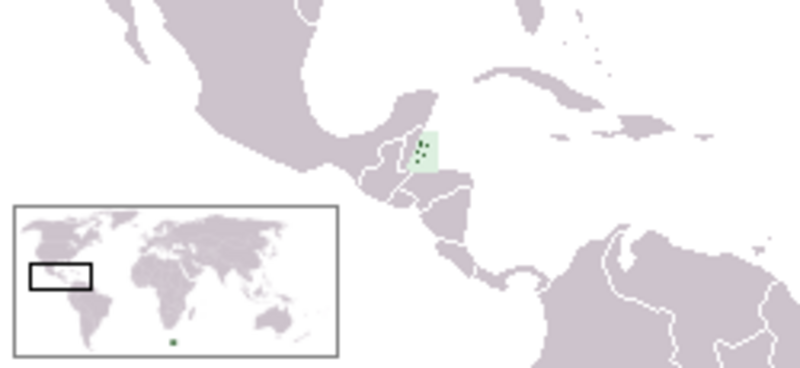
Geographically, Sapodilla Cayes lies approximately thirty five miles east of the coastal town of Punta Gorda in Toledo District. Situated at the far southern terminus of the barrier reef platform, the cayes are encircled by a legally protected marine reserve established in nineteen ninety six to safeguard its pristine coral formations, complex mangrove channels, and traditional fishing grounds. Today guided walking journey takes us directly onto Hunting Caye, the administrative, educational, and ecological heart of the Sapodilla Cayes group. Hunting Caye serves as a vital focal point for marine conservation, scientific field research, and ecological restoration in southern Belize.
As you follow this guided walking route across Hunting Caye, you will begin your journey at the western beach landing dock where boats dock after crossing the open sea from the mainland. From there, you will proceed inland toward the Living Reef Centre, a pioneering scientific station co managed by the University of Belize, the Earthwatch Institute, and local conservation partners. Along the way, you will discover how sustainable green infrastructure, including rainwater harvesting vats and biological wastewater remediation systems, protects the island delicate subterranean freshwater lens and surrounding coral reefs. Finally, your path will lead through the protective shelter of restored tropical littoral forest to the fragile eastern shoreline, where critically endangered hawksbill sea turtles return each year to lay their eggs in the soft sand. Prepare to explore this rare marine sanctuary and witness how thoughtful conservation management is preserving a national legacy for generations to come.
02 Western Beach Dock & Arrival Point
Welcome to the Western Beach Dock and visitor arrival point of Hunting Caye in the Sapodilla Cayes. As you step off the vessel onto this serene island, the atmosphere feels remarkably peaceful and isolated from the modern world. However, this small coral atoll carries a surprisingly complex international geopolitical history. …
03 Living Reef Centre & Research Station
As you follow the shaded woodland path into the center of the caye, you arrive at the Living Reef Centre research station. This facility houses a remarkable secret regarding ecologically sensitive architectural design. During the initial site planning phase, architects and marine biologists deliberately rotated the orientation of the building and set it back at least twenty meters from the eastern beach ridge. …
04 Bio-Remediation & Freshwater Conservation Area
Walking around to the rear of the main research station brings you into the infrastructure compound that sustains human life on Hunting Caye without harming its delicate ecosystem. On a tiny, isolated coral caye, the most precious and fragile natural resource is the shallow lens of fresh groundwater floating above the deeper saltwater table beneath the sand. …
05 Littoral Forest & Native Vegetation Buffer
Stepping onto the eastern beach ridge brings you into the protective buffer of the native tropical littoral forest. Tropical littoral forest represents Belize most critically threatened terrestrial ecosystem. Historically, extensive tracts of littoral forest across the cayes were clear cut to make way for commercial coconut plantations and seaside residential developments. …
06 Eastern Hawksbill Turtle Nesting Beach
Emerging from the forest edge onto the eastern shore, you stand upon the crucial nesting beach of the critically endangered hawksbill sea turtle. This tranquil stretch of sand holds a startling and sobering scientific statistic. During a comprehensive ecological survey conducted in two thousand six, researchers mapped and recorded just four hawksbill turtle nests along the entire eastern beach property belonging to the University of Belize. …
07 Closing
Our audio guide tour across Hunting Caye in the Sapodilla Cayes has now come to a close. The vital lesson embedded within this remote atoll ecosystem is that through thoughtful human management, innovative ecofriendly design, and uncompromising environmental protection, degraded natural habitats can be restored to thriving sanctuaries. …