Contents
History & cultureBY TELLBY7 sections · numbered as on the map01 Orientation
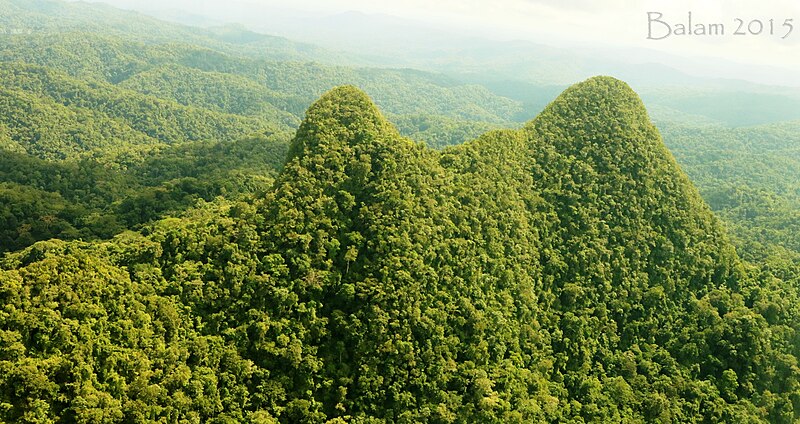
Welcome to the Río Plátano Biosphere Reserve, an extraordinary sanctuary of life located in the Gracias a Dios department in northeastern Honduras. As the largest protected area in Honduras, this reserve encompasses a vast expanse of tropical rainforest stretching all the way from the high, rugged headwaters in the mountains down to the pristine shores of the Caribbean coast. The reserve is named after the mighty Plátano River, whose entire watershed is strictly protected, creating a continuous natural corridor that links remarkably diverse ecosystems across different elevations. Recognizing its outstanding ecological value, untouched rainforests, and rich cultural heritage, UNESCO designated the reserve as a World Heritage site in 1982. This magnificent conservation area features a breathtaking gradient of landscapes, including densely forested mountain peaks, broadleaf gallery forests, pine savannas, extensive freshwater wetlands, and coastal lagoons teeming with marine and bird life. Beyond its borders, the reserve forms an integral part of an even larger international conservation complex, connecting with the Tawahka Asangni Biosphere Reserve and Patuca National Park in Honduras, as well as the Bosawas Biosphere Reserve in neighboring Nicaragua. Together, these interconnected protected zones constitute the largest continuous tract of rainforest in Latin America north of the Amazon Basin. Furthermore, the Río Plátano Biosphere Reserve is not merely an uninhabited wilderness, but a living cultural landscape where human communities have existed in harmony with nature for generations. Today, more than two thousand indigenous inhabitants, including the Pech, Tawahka, Miskito, and Garífuna peoples, reside within and around the reserve alongside the Mestizo population. These traditional communities have preserved their ancestral lifestyles, relying on sustainable small-scale agriculture, fishing, and forest gathering that honor the delicate equilibrium of the ecosystem. Their ancient knowledge, spiritual connection to the land, and sustainable practices serve as a crucial defense against modern environmental threats. As you stand at the entrance to this ancient rainforest, prepare to embark on a journey through one of the most biologically dense and historically rich environments on the planet. Listen closely to the rustling of the dense canopy, the echoing calls of exotic tropical birds, and the rhythmic flow of the river currents. Through this audio tour, you will discover the remarkable flora and fauna, hidden archaeological treasures, and enduring human traditions that define this natural wonder. Let us now step forward together into the heart of the Río Plátano Biosphere Reserve.
02 Río Plátano Wooden Wharf
Welcome to the wooden riverbank wharf along the edge of the Río Plátano, a vital gateway where the terrestrial rainforest meets the life-giving waters of the reserve. Standing here by the peaceful water, one of the most surprising facts about the Plátano River is that it is one of the very few remaining major river basins in Central America that continues to flow completely uninterrupted and dam-free, all the way from its mountainous headwaters down to its termination at the Caribbean Sea. …
03 Deep Forest Canopy Observation Point
Stepping deeper into the interior of the reserve, you arrive at the Deep Forest Canopy Observation Point, situated along a shaded ecological walking trail. One of the most astonishing facts about this vast rainforest is that it shelters more than half of all mammal species known to exist in the entire country of Honduras. …
04 Ancient Stone Petroglyph Site
Following the forest trail further into the jungle understory, you arrive at the Ancient Stone Petroglyph Site within the historic Ciudad Blanca archaeological zone. One of the most mind-boggling facts about this area is that hidden beneath the dense vegetation of this rainforest are over two hundred individual archaeological sites connected to the legendary lost civilization known historically as Ciudad Blanca, or the White City. …
05 Pico Dama Mountain Lookout
Ascending the winding mountain trail through the upper elevations, you arrive at the Pico Dama Mountain Lookout, offering panoramic views across the rugged interior terrain of the reserve. Standing at this high observation platform, one of the most astonishing geological facts about the region is the presence of Pico Dama, a sheer granite rock pinnacle rising an extraordinary 150 meters vertically above the surrounding mountain ridges. …
06 Coastal Mangrove & Lagoon Platform
Descending to the coastal lowlands, you arrive at the Coastal Mangrove and Lagoon Platform, where salty sea breezes mix with the fresh scent of coastal wetlands. Standing on this wooden observation platform, one of the most remarkable ecological facts about this region is that the coastal plains feature massive lagoons, such as Laguna Brus and Laguna Ibans, which serve as critical nursing grounds for marine life and rare West Indian Manatees. …
07 Closing
This concludes our comprehensive audio guide tour of the extraordinary Río Plátano Biosphere Reserve, a natural treasure of global significance nestled in the heart of northeastern Honduras. Throughout our journey today, we have explored the unbroken natural corridor that connects rugged granite mountain headwaters down through dense rainforests to the rich mangrove lagoons of the Caribbean coast. …