Contents
History & cultureBY TELLBY8 sections · numbered as on the map01 Orientation
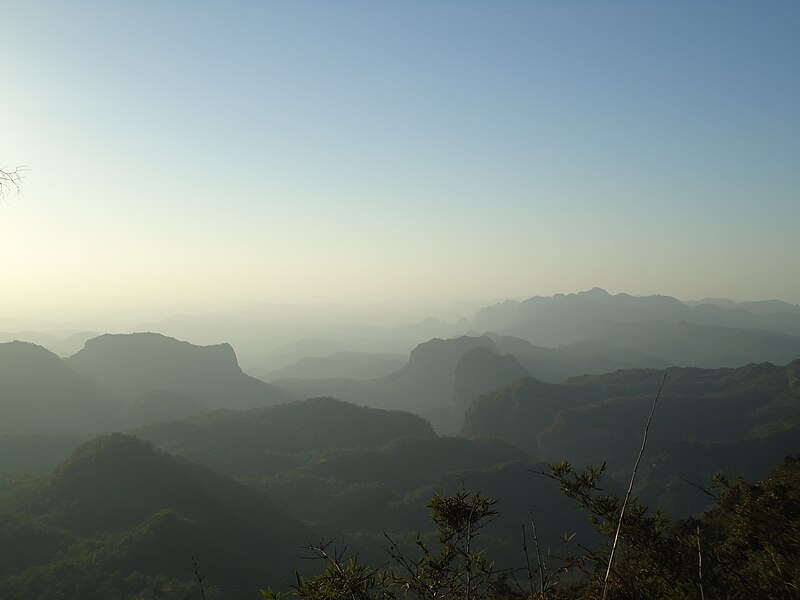
Welcome to the Orientation Plaza, the grand entryway into the magnificent wilderness of Satpura National Park. The name Satpura finds its roots in the ancient Sanskrit language, translating directly to the Seven Folds, a poetic reference to the endless, undulating ridges and rugged hills that shape this breathtaking landscape. This ancient mountain range is a true geological marvel that predates human civilization by millions of years, standing as a formation far older than the towering peaks of the Himalayas. Stretching seamlessly across central India parallel to the Vindhya ranges in the north, these formidable highlands form a powerful natural barrier dividing the northern plains from the expansive Deccan Plateau, serving as a vital sanctuary for countless evolutionary lineages. The modern chapter of this primeval realm began in eighteen fifty seven, when Captain James Forsyth of the British Officer Corps arrived in the Central Provinces. While pursuing the celebrated Indian freedom fighter Tatya Tope during the revolt of eighteen fifty seven, Forsyth accidentally ventured deep into the central highlands and stumbled upon the secluded Pachmarhi plateau, cowered beneath dense Sal and Teak timber forests. Struck by the raw, unyielding majesty of this uncharted terrain, Forsyth documented his pioneering observations, which were published posthumously in eighteen seventy one in his landmark book, The Highlands of Central India. His writings introduced this ecological treasure trove to the wider world and laid the foundation for systematic forest conservation. Recognizing the immense ecological importance and valuable timber wealth of these woodlands, colonial authorities established the Bori Wildlife Sanctuary in eighteen sixty five as one of India's earliest protected forest reserves. Conservation momentum continued to build over the following century, leading to the creation of the Pachmarhi Wildlife Sanctuary in nineteen seventy seven and the formal establishment of Satpura National Park in nineteen eighty one. In the year two thousand, a monumental milestone was achieved when Satpura National Park, Bori Sanctuary, and Pachmarhi Sanctuary were unified into a single contiguous conservation landscape spanning over two thousand one hundred thirty three square kilometers. Designated as India's twenty eighth Project Tiger reserve, its historic launch was personally blessed and inaugurated by the renowned Indian ornithologist Doctor Salim Ali. Furthermore, the surrounding Pachmarhi Biosphere Reserve, established in nineteen ninety nine, was officially nominated to the tentative list of UNESCO World Heritage Sites in twenty twenty one. Today, as you stand at this historic threshold, you are walking into an ancient, living refuge where millions of years of natural geology harmoniously blend with over a century of dedicated wildlife protection.
02 Lifeline of the Wild - Denwa River / 야생의 젖줄 덴와강 선착장
Standing here at the tranquil boat jetty, listening to the gentle lapping of water against the riverbank, you are looking out over the serene expanse of the Denwa River, the undisputed lifeline of Satpura National Park. The Denwa River is far more than a simple body of water; it is the vital ecological artery that sustains the incredible biological richness of this ancient core wilderness. …
03 The Botanical Bridge - Ancient Sal and Teak Canopy / 샬나무와 티크나무 울창한 숲길
Step onto the soft, leaf-littered path of this ancient forest trail, enveloped by the towering canopy of Sal and Teak trees. As you walk beneath the filtered emerald sunlight and breathe in the rich, earthy aromas of the forest floor, you are entering a botanical crossroad of world-renowned significance. …
04 Echoes of Prehistoric Art - Pachmarhi Caves / 선사 시대 바위 그림과 동굴 유적
Overlooking dramatic sandstone bluffs, hidden gorges, and natural cave openings, this elevated viewpoint brings you face to face with the ancient human heritage of the Pachmarhi caves. Long before recorded modern history or colonial discovery, prehistoric human communities found shelter and spiritual expression within these rugged sandstone formations. …
05 Sanctuary of Predators - Tiger and Wildlife Corridor / 맹수들의 터전과 생태 통로
Positioned where open golden meadows transition into the shadowy forest edge, this elevated observation deck provides a sweeping panoramic look across one of Central India's premier predator sanctuaries. Satpura National Park is an internationally recognized biodiversity hotspot, harboring over fifty two mammal species, three hundred bird species, thirty one reptile species, and fifty six butterfly species. …
06 Living in Harmony - Gond and Korku Tribal Legacy / 곤드족과 코르쿠족의 상생 유산
Welcome to this cultural heritage display point, honoring the indigenous tribal communities whose history is deeply interwoven with the ancient wilderness of Satpura. Long before national park boundaries were demarcated or legal reserve status was granted, indigenous tribes including the Gond, Korku, and Bharia communities lived in deep harmony with these rugged mountains and forest river basins. …
07 Canopy of Wings - Backwater Bird Sanctuary / 타와 저수지 수변과 조류 관찰대
Elevated above the sweeping backwaters of the Tawa Reservoir, this bird outlook point provides a front-row seat to one of Central India's most extraordinary avian sanctuaries. The creation of the Tawa Reservoir, combined with undulating sandstone hills, deep river channels, and undisturbed forest edges, has established a paradise for birdlife. …
08 Closing
As our audio guide tour comes to a gentle conclusion near the main park entry plaza, this quiet reflection spot offers a moment to look back upon the extraordinary conservation legacy of Satpura National Park. More than a century and a half after Captain James Forsyth first explored these central highlands, Satpura stands as a global beacon of hope and resilience in wildlife conservation. …