Contents
History & cultureBY TELLBY7 sections · numbered as on the map01 Orientation
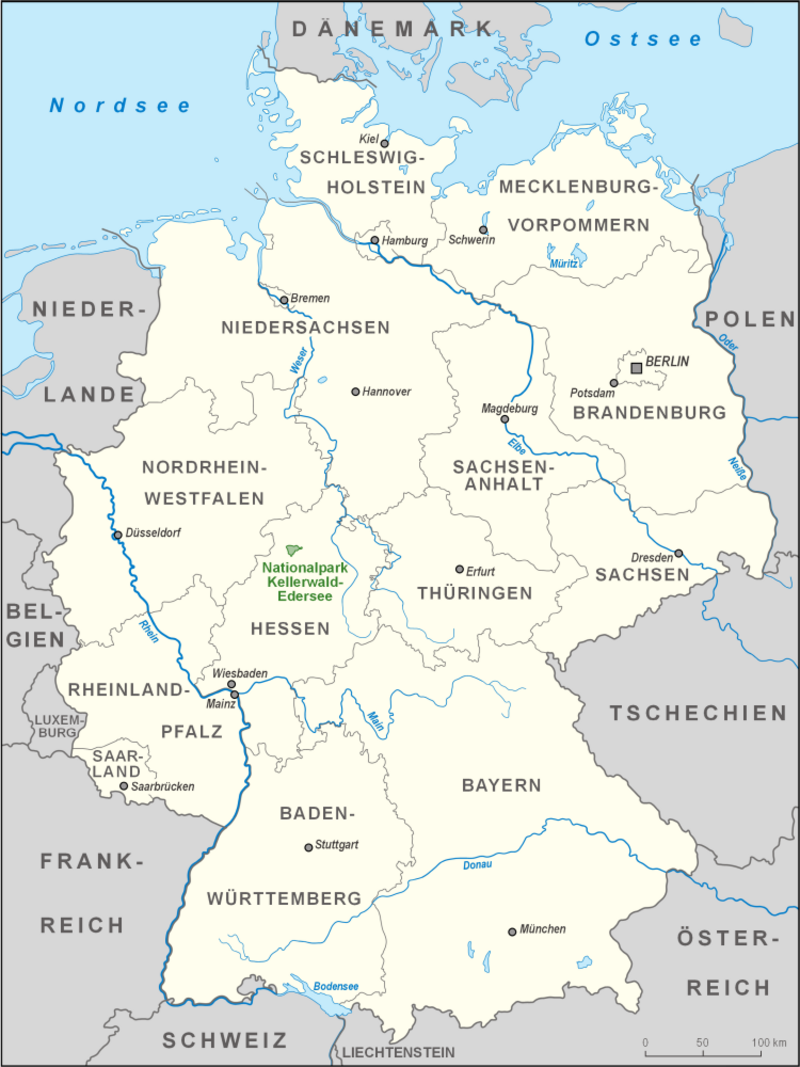
Welcome to Kellerwald-Edersee National Park. This site serves as a living testimony to the ecological history of the European beech, which has continuously expanded its range naturally since the Last Glacial Period. Located in the northern part of Hesse in central Germany, this ancient forest spreads widely to the south of the beautiful Edersee lake. It is a space of pure and primeval nature that thrives strictly according to the natural rhythm of life, completely free from human disturbance and artificial development. This precious natural haven was officially designated as a national park in 2004, and its outstanding universal ecological value and historic significance were recognized globally when it was inscribed as a UNESCO World Heritage Site in 2011.
The most exceptional value of Kellerwald lies in its extraordinary microclimate regulation capacity, which enables the forest to self-regulate its internal temperature and humidity even amid severe climate change and summer heatwaves. When the surrounding open fields are directly exposed to intense sunlight and experience rapidly soaring temperatures during the height of summer, the dense green canopy formed by the mature beech trees creates deep shade and effectively prevents atmospheric moisture from evaporating. This magnificent forest canopy completely blocks harsh solar radiation from reaching the forest floor while acting as a massive physical barrier that shields the forest interior from hot and dry winds blowing from outside. This natural cooling mechanism of the canopy functions as a reliable protective shield, ensuring that the internal forest ecosystem maintains its structural stability and inherent vitality without being destroyed during extreme events such as severe heatwaves and prolonged droughts.
As you step under the vast foliage structure woven together tightly by the beech trees over centuries, the noise and scorching heat of the outside world disappear instantly, replaced by a soothing sense of tranquility and refreshing coolness. The ancient trees, having endured centuries of changing weather, draw up moisture from deep underground to release it into the air, while their dense leaves stably lower the ambient temperature of the entire forest. Along the trail we will explore together today, the wondrous vital forces of nature, accumulated human history, and the remarkable self-organizing resilience of the ecosystem exist in profound harmony. Please listen attentively to the deep resonance and peaceful breath of this primeval sanctuary as you follow the timeless wisdom offered by nature. With every step deeper into the forest, you will come to appreciate the irreplaceable buffering functions and immense ecological value that old-growth forests provide in this era of global climate crisis. Let us now begin our immersive journey through this World Heritage site, guided by the cool and refreshing forest breezes.
02 Traddelkopf Old-Growth Beech Forest Core Zone
Did you know that the interior of an old-growth beech forest with a dense foliage canopy is over 9 degrees Celsius cooler during midsummer heatwaves than the outer fields? Look up above your head and see the high, lush beech canopy that completely hides the sky. This thick foliage roof you are gazing at does far more than provide simple shade; it acts as a massive natural air conditioner keeping the temperature of the entire forest cool and stable. …
03 Quernst Church Ruins on Talgang Mountain
Did you know that this quiet pile of stones in the forest was built around 800 on an ancient sacred grove site, serving as the sole sanctuary for forest villagers? Look down at the moss-covered remnants of old stone walls visible among the lush grass beneath your feet. The stone fragments spread at your feet today are living traces of past people who walked along this mountain path to pray for centuries, as well as testimony of history assimilated into nature over time. …
04 Collapsing Spruce Stand Calamity Area
Did you know that this conifer forest dried out by bark beetles and drought is up to 6 degrees Celsius warmer than the healthy old beech forest right next to it? Look to the right side of the path at the spruce logs lying dead and white where they fell. The sight of spruce trees, planted for human industrial purposes, having lost all their green leaves with only white wooden skeletons remaining, is a tragic scene vividly showing how easily monoculture plantations created in defiance of natural…
05 Open Beech Forest with Solitary Old Trees
Did you know that despite wider tree spacing resulting from past logging, this old-growth beech forest maintains a much cooler microclimate than collapsed conifer stands? Look at the giant old-growth beech trees standing solitary here and there, spreading their massive branches in all directions. Even though tree density was reduced and gaps were created in the forest canopy, the resilient vitality of these solitary old trees and their broadly extended branches function like grand natural…
06 Forest Edge and Buffer Zone Transition
Did you know that moving just 15 meters inside from the forest edge significantly reduces the heatwave and atmospheric dryness from outer fields? Look at the location on your left where lush shrubs and young trees are densely encircled like a fence. The dense belt of shrubs and young trees unfolding before your eyes functions as a sturdy green breakwater of nature, powerfully preventing solar heat and parched winds from open fields from penetrating unchecked into the primeval forest interior. …
07 Closing
Our audio guide journey through Kellerwald-Edersee National Park has now come to an end. The scenes of nature we witnessed together today, walking from the deep interior of the forest to its edge transition zones, have clearly shown how grand and vital a role old-growth forests play in this era of climate crisis when human intervention and manipulation are minimized and everything is left to the natural rhythm of life. …