Contents
History & cultureBY TELLBY7 sections · numbered as on the map01 Orientation
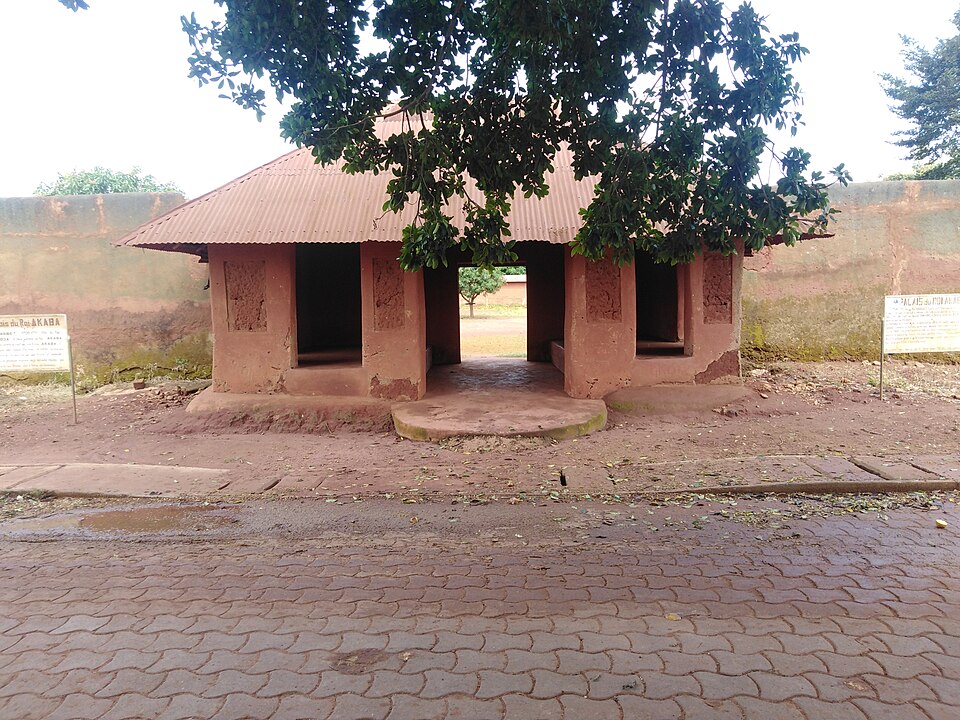
Welcome to the Royal Palaces of Abomey, the majestic heart of the historic Kingdom of Dahomey and a sanctuary of profound West African heritage. You are standing at the primary entrance of an extraordinary monumental complex that was established in 1625 by the Fon people, who transformed this plateau into the center of a formidable empire. This site holds prestigious international recognition as a UNESCO World Heritage site because it represents a completely unique architectural lineage created over nearly three centuries by twelve successive monarchs. Unlike European royal dynasties that repeatedly renovated and expanded a single central castle, each Dahomean king created an entirely distinct palace compound adjacent to those of his predecessors, preserving traditional spatial principles and organic building techniques throughout the generations. Covering an expansive area of 47 hectares, this monumental compound once formed a vibrant royal metropolis housing more than 8000 residents, including the reigning king, royal advisers, court artisans, and the legendary elite female warriors. The royal palaces serve as an exceptional living testimony to a powerful West African state that controlled vital commercial routes along the coast. What makes this sanctuary irreplaceable is its role as the exclusive storehouse of Fon historical memory, brought to life through earthen architecture, sacred shrines, and expressive visual art. As you begin your journey today, you will step into broad reception yards, walk through historic galleries, and witness resilient mud structures that survived fierce colonial wars and devastating environmental disasters. Please pause for a moment to take in the vast open courtyard before you and feel the deep atmosphere of royal power and spiritual reverence that continues to permeate this sacred soil. From this orientation point, our audio tour will guide you step by step through five key historic locations, uncovering stories of royal diplomacy, economic transformation, visual narrative art, heroic resistance, and architectural mastery. Let us now move forward together toward our first official stop at the historic outer courtyard.
02 Kpododji Courtyard & Akuehue
Did you know that in this prosperous West African empire, polished sea shells gathered from the ocean served as the official national currency that determined the wealth and power of the king? Standing here in the expansive outer reception area known as the Kpododji Courtyard, you are stepping directly into what was once the vibrant economic engine of the entire kingdom. …
03 Adjalala Palace Building of King Glélé
The vibrant wall sculptures decorating this palace were not mere decorative ornaments, but a massive three dimensional history book created to communicate royal victories and sacred mythologies to a society that preserved its heritage orally. As you step into this broad inner courtyard, please raise your eyes toward the long reception gallery and observe the colorful clay panels embedded along the base of the red earthen walls. …
04 Assins Room & Sacred Royal Altars
When international pressure and naval blockades forced an end to the transatlantic slave trade, Dahomey did not collapse, but dramatically transformed its entire imperial economy into an agricultural powerhouse through massive palm oil production. Welcome to the deeply sacred interior sanctuary known as the Assins Room and the Royal Altars courtyard. …
05 King Ghézo's Palace & Historical Museum
Faced with an overwhelming foreign invasion, King Béhanzin chose to burn his own sacred ancestral palaces to the ground rather than surrender them intact to the advancing enemy forces. Standing inside the central reception hall of King Ghézo's palace, which today houses the principal exhibitions of the Abomey Historical Museum, you are surrounded by the fierce spirit of Dahomean independence. …
06 King Agoli-Agbo Area & Mud Enclosure Wall
These massive earthen walls, measuring over fifty centimeters in thickness, functioned as a sophisticated passive thermal insulation system that kept interior spaces remarkably cool without modern air conditioning. Reaching the outer perimeter of the main palace grounds, please look up and cast your eyes upon the towering earthen enclosure wall that stretches along the boundary. …
07 Closing
Thank you for visiting the Royal Palaces of Abomey and walking through the living history of the historic Kingdom of Dahomey. As we conclude our audio guide journey back at the main entrance plaza, take a quiet moment to reflect on the extraordinary resilience of this World Heritage sanctuary. Throughout its long history, this sacred site has endured catastrophic wartime fires, severe tropical tornadoes in 1984, devastating bushfires in 2009, and relentless environmental weathering. …