 Photo Wikimedia Commons
Contents
History & cultureBY TELLBY7 sections · numbered as on the map01 Orientation
Welcome to the Akaba Palace Zone, a historically profound and architecturally distinct sanctuary located within the Royal Palaces of Abomey, recognized worldwide as an outstanding UNESCO World Heritage site. This remarkable cultural complex represents the enduring legacy and sovereign power of the Kingdom of Dahomey, which flourished on the Abomey plateau under a succession of twelve powerful monarchs who governed the state between sixteen twenty five and nineteen hundred. The kingdom was originally established in the early seventeenth century by the Fon people, who transformed their inland territory into an exceptionally dominant military and commercial empire along the West African coast. Throughout the history of this formidable dynasty, nearly all successive rulers constructed their royal residences in immediate proximity to one another within a single, grand, centralized compound. However, the Akaba Palace Zone where you stand today presents a striking architectural departure from this tradition. King Akaba, who played a foundational role in centralizing state authority and expanding the kingdom's territorial reach, uniquely established his own separate royal complex in the north-northwest portion of the site. His independent compound is enclosed by its own massive, thick cob wall barrier, setting his sovereign legacy apart from every other monarch in the Aladaxonou dynasty. Ascending the throne after a prolonged period of strategic waiting, Akaba utilized this dedicated palace complex as the administrative center from which he consolidated royal power, expanded military defenses, and extended Dahomean influence beyond the plateau. Today, despite enduring centuries of tropical weathering, historical conflicts, and colonial upheaval, the Akaba Palace Zone stands as a quiet yet powerful monument to the architectural genius and cultural resilience of the Fon civilization. As you prepare to journey through this sacred heritage site, this audio guide will lead you across quiet interior courtyards, historical ceremonial gathering grounds, and ancient residential quarters that served as the backdrop for key political and spiritual transformations in West African history. Please take a moment to absorb the solemn atmosphere of this historic enclosure as we prepare to step through the entrance gate and uncover the rich narrative woven into these ancient earthen walls.
02 Outer Cob Wall and Entrance Gate
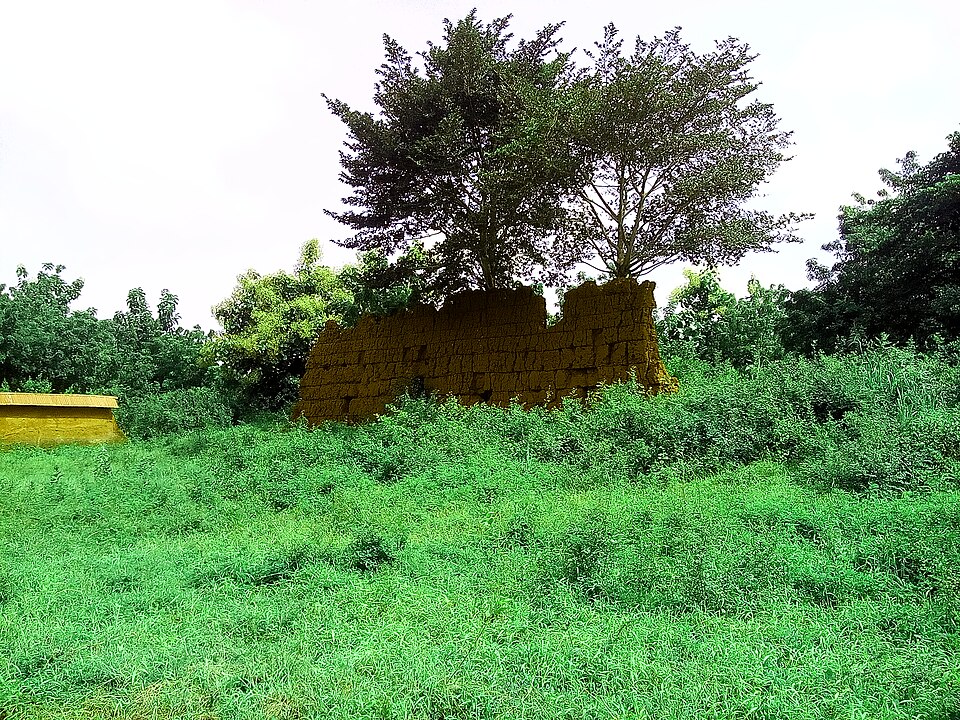
As you stand before the impressive outer defensive architecture of the Akaba Palace Zone, it is truly astonishing to realize that these massive earthen ramparts once functioned as an extraordinarily formidable military fortress designed to protect the sovereign heart of the realm. During the height of the Kingdom of Dahomey, the entire royal complex was encircled by a grand, continuous cob wall extending approximately ten kilometers in total circumference. …
03 First Interior Courtyard: Kpododji and Honnouwa
Stepping into the expansive openness of the first interior courtyard, historically known as the Kpododji and Honnouwa space, you are entering a sacred domain deeply imbued with the symbolic royal philosophy and spiritual authority of King Akaba. A fascinating and surprising aspect of Dahomean royal culture was that every ascending monarch adopted specific symbolic animals, known as royal totems, to represent their personal political vision, leadership style, and governing philosophy. …
04 Ajalala Building and Polychrome Bas-reliefs
Standing before the magnificent Ajalala building in the second interior courtyard, historically known as the Jalalahennou space, you are gazing upon one of the most culturally significant architectural treasures of West Africa. Remarkably, in an era when written alphabetic records were not maintained by the state, the vivid polychrome earthen bas-reliefs sculpted directly into these palace walls functioned as a permanent, living visual history book, recording major military triumphs, sovereign…
05 Logodo Courtyard and Royal Quarters
Entering the intimate and serene surroundings of the Logodo courtyard, you have reached the private residential quarters where the sovereign resided, received trusted advisors, and conducted confidential spiritual rituals away from the public eye. A fascinating and highly unusual historical reality of this royal dynasty is that King Akaba was born as a twin alongside his sister, Princess Hangbe, creating a unique dynamic in Dahomean royal succession history. …
06 Chameleon Symbol Sculpture and Heritage Spot
Standing before the chameleon symbol sculpture, you are gazing upon a monument that connects Dahomey's ancient royal heritage with contemporary historical justice and global cultural restitution. In a momentous historical development, twenty-six precious royal treasures looted by French colonial forces during the invasion of the Royal Palaces of Abomey in eighteen ninety-two were permanently restituted from France to the Republic of Benin under a milestone legal enactment passed in December…
07 Closing
This concludes our audio guide tour of the Akaba Palace Zone within the Royal Palaces of Abomey. Throughout its long and complex history, this extraordinary earthen royal complex has endured severe historical trials and devastating environmental hardships. The royal grounds suffered intentional palace fires during colonial warfare in the late nineteenth century, experienced severe structural destruction from a violent tornado on fifteen March nineteen eighty four that damaged historic royal…