Contents
History & cultureBY TELLBY7 sections · numbered as on the map01 Orientation
Welcome to the Dazu Rock Carvings, a magnificent UNESCO World Heritage Site nestled among the steep hillsides of Chongqing. Dating back from the late Tang Dynasty in the ninth century through the Song Dynasty in the thirteenth century, this remarkable complex represents the pinnacle of Chinese grotto art and religious sculpture. What sets Dazu apart from other historic cave sites is the harmonious synthesis of the three great philosophical traditions of China, bringing together Buddhism, Taoism, and Confucianism into a single unified spiritual landscape. Across more than seventy protected sites, tens of thousands of carved statues and extensive inscriptions carved directly into the open cliff faces reflect the profound cultural depth and artistic mastery of ancient China.
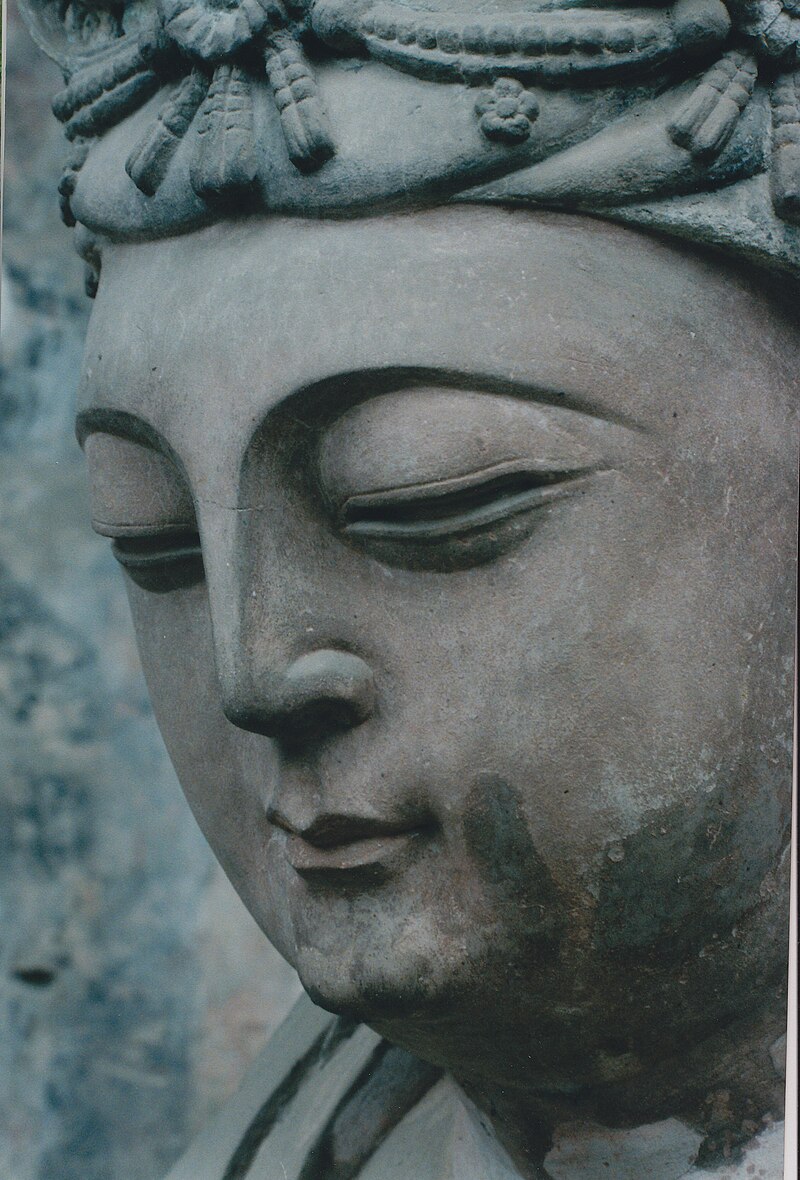
As you begin your walking journey today, you will explore two of the most significant locations within this heritage complex, Mount Beishan and Mount Baodingshan. Your route will guide you along dramatic outdoor cliffs where sandstone walls have been transformed into breathtaking galleries of sacred art. On the cliff faces of Beishan, you will observe extraordinarily detailed Avalokitesvara figures adorned with intricate crowns that mirror the refined fashion of the Song Dynasty. Later, at the U shaped gorge of Baodingshan, you will encounter grand Tantric Buddhist monuments, including the radiant Thousand Armed Guanyin and the serene reclining figure of Sakyamuni Buddha entering Nirvana. These masterpieces stand as lasting testaments to the dedication of monks, local officials, and master stonecarvers who labored over generations to carve devotion into living rock.
Before we proceed along the cliff path, we kindly ask for your cooperation in preserving these invaluable treasures. The delicate sandstone surfaces of the carvings have endured centuries of weathering and remain highly susceptible to damage from physical contact. To ensure that these ancient works of art are safeguarded for future generations, please refrain from touching any part of the rock faces or sculptures, and remain strictly on the designated walking paths at all times. Your mindful presence plays a vital role in protecting this fragile World Heritage site for the future.
Now, please prepare yourself to step forward toward the cliff side carvings of Mount Beishan. As you walk along the stone pathway ahead, take in the atmosphere of the surrounding hillsides where history and nature quietly meet. Follow the trail until you arrive at Cave 136, where our exploration begins with the breathtaking headwear and delicate beauty of the Song Dynasty Avalokitesvara statues.
02 The Intricate Crowns of Beishan Cave 136
Surprising as it may seem, the exquisitely carved, lace like stone crowns adorning the Avalokitesvara statues here in Beishan Cave 136 were not merely born from religious imagination, but were directly inspired by the real fashion trends, high chignons, and elaborate floral headwear worn by secular women in the Sichuan region during the Song Dynasty. …
03 Water-Moon Guanyin of Cave 113
One of the most remarkable transformations in the history of Asian art occurred during the Song Dynasty, when Buddhist sculpture shifted away from distant, stern, and intimidating representations of divinity toward accessible, deeply compassionate female figures that ordinary people could easily relate to. Here in Cave 113, the Water Moon Guanyin stands as an exquisite testament to this historic transformation. …
04 The Thousand-Armed Guanyin of Baodingshan
Unlike many depictions across Asia that merely symbolize multiple arms using a few dozen hands, this extraordinary carving at Mount Baodingshan uniquely features hundreds of distinct, individually sculpted arms fanning out across the cliff face like a radiant golden halo. Carved directly into the living rock, this vast wall of hands represents an unparalleled masterpiece of Buddhist iconography. …
05 Sakyamuni Buddha Entering Nirvana
The most astonishing secret behind this colossal Reclining Buddha statue is that it was intentionally carved only from the knee up, deliberately omitting the lower legs to leave the rest of the body to the imagination of the viewer. By allowing the lower body to fade seamlessly into the solid bedrock of the mountain, the Song Dynasty sculptors created a powerful visual illusion that Sakyamuni Buddha stretches infinitely into Mount Baoding itself. …
06 Preserving the Rock: Microbial Restoration
Perhaps the most surprising breakthrough in modern heritage conservation is that scientists are now utilizing live microscopic organisms to heal centuries old stone cracks rather than applying unnatural chemical resins or foreign synthetic cements. For centuries, rain and humidity caused severe weathering across the sandstone cliffs of Dazu, creating micro fractures within the fragile rock face. …
07 Closing
As our guided journey comes to a meaningful conclusion, you have walked through centuries of artistic innovation, spiritual devotion, and scientific dedication across the magnificent cliffs of Mount Beishan and Mount Baodingshan. Standing before these ancient sandstone walls, you have witnessed a rare historical synthesis where Buddhism, Taoism, and Confucianism exist side by side in perfect cultural harmony. …