Contents
History & cultureBY TELLBY7 sections · numbered as on the map01 Orientation
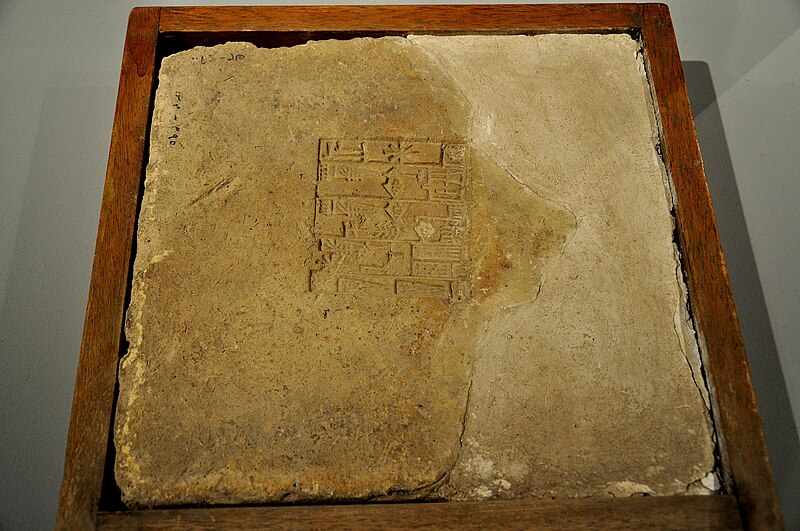
Welcome to the ancient city of Ur, a monumental cradle of human civilization located near modern Nasiriyah in the Dhi Qar Governorate of Southern Iraq. In two thousand sixteen, this extraordinary archaeological landscape was inscribed on the UNESCO World Heritage list as a central element of the Refuge of Culture and the Sacred Landscape of the Mesopotamian Cities in the Ahwar of Southern Iraq. This prestigious recognition highlights the profound ecological and historical harmony between early Sumerian urban settlements and the sprawling wetlands created by the Tigris and Euphrates rivers. Situated in the fertile lowlands, ancient Ur flourished in close geographic proximity to the historical coastline of the Persian Gulf, a body of water referred to in ancient cuneiform tablets as the Lower Sea. This exceptional maritime location transformed Ur into a dominant trading power and a thriving economic gateway that linked Mesopotamia with distant lands across the ancient world. Sumerian merchant vessels regularly navigated these waterways, transporting prized commodities and trading with Magan in modern Oman for high-grade copper and Dilmun in modern Bahrain for essential raw materials. As you step onto this sun-baked desert plain, you are traversing six thousand years of human ingenuity. It was right here on this land that ancient Sumerian scholars, architects, and administrators developed cuneiform writing, engineered groundbreaking mud-brick architecture, and established sophisticated commercial networks that stretched across continents. This audio guide invites you on an unforgettable journey through the monumental physical remnants of one of humanity's earliest and most influential urban centers. Over the course of our walking tour, we will explore the imposing Great Ziggurat erected for the moon god Nanna, inspect the massive boundaries of the sacred Temenos enclosure, uncover the breathtaking treasures and metallurgical wonders of the Royal Cemetery and the Great Death Pit, and stroll through the tight residential alleyways where sacred traditions trace the early life of the Patriarch Abraham. Prepare to immerse yourself in the dawn of urban history as we unravel the eternal story of Ur.
02 The Great Ziggurat: Stairway to Nanna
Standing directly before you is the Great Ziggurat of Ur, one of the most remarkable architectural and engineering marvels surviving from the ancient world. Constructed over four thousand years ago, this monumental mud-brick sanctuary is recognized as the oldest surviving religious complex of its scale on Earth, built entirely without the use of a single block of stone. …
03 The Temenos Wall: Boundary of the Sacred
You are now standing before the historic Temenos Wall, the fortified perimeter that once enclosed the high sacred precinct of ancient Ur. Surrounding the Great Ziggurat and its satellite temples, this inner sanctuary functioned as a exclusive city within a city, entirely separated from the dense residential quarters by massive mud-brick walls. …
04 The Royal Cemetery: Queen Puabi's Treasures
Welcome to the Royal Cemetery of Ur, the location of one of the most astonishing archaeological discoveries in human history. Among more than two thousand graves excavated here by Sir Leonard Woolley during his historic campaigns, sixteen deep shaft tombs stood out for their extraordinary wealth and artistic sophistication, rivaling the richest royal burials of ancient Egypt and Tutankhamun's tomb. …
05 The Great Death Pit: Melodies of the Afterlife
You are now standing before the Great Death Pit, cataloged by archaeologists as Tomb PG twelve thirty-seven. Inside this single massive subterranean trench, Sir Leonard Woolley uncovered the preserved remains of seventy-four royal attendants, including armed guards, palace servants, and female musicians, lying side by side in meticulous ceremonial arrangement to accompany their deceased ruler into the afterlife. …
06 The Residential Quarter: Footsteps of Patriarchs
Welcome to the Residential Quarter of Ur, a remarkably preserved urban neighborhood that offers an intimate glimpse into the daily domestic life of an ancient Mesopotamian metropolis. Four thousand years ago, these narrow, winding dirt alleyways were vibrant urban corridors flanked by two-story mud-brick family homes, neighborhood shrines, bakery ovens, and bustling artisan workshops. Observe the low mud-brick walls outlining individual private residences centered around open courtyard spaces. …
07 Closing
This brings our audio guide tour of the ancient city of Ur to its official conclusion. Standing here upon this elevated vantage point looking across the vast desert landscape, we reflect on the monumental legacy of a city that fundamentally transformed human civilization. It was here at Ur that early visionaries developed cuneiform writing on clay tablets, established advanced systems of urban planning and public sanitation, and forged international maritime trade routes that spanned thousands…