 Photo Wikimedia Commons
Contents
History & cultureBY TELLBY1 sections · numbered as on the map01 Polish Post Office in Danzig
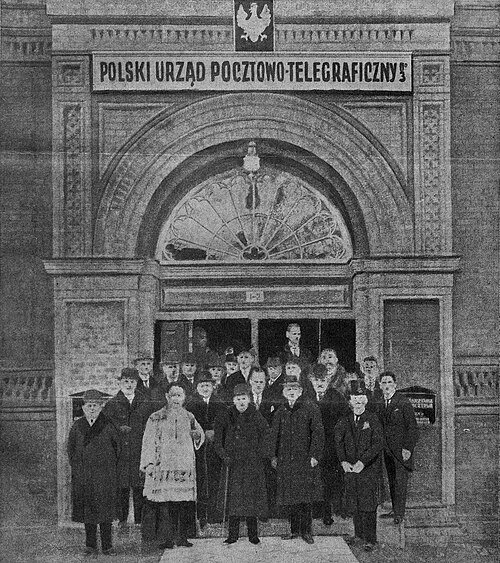
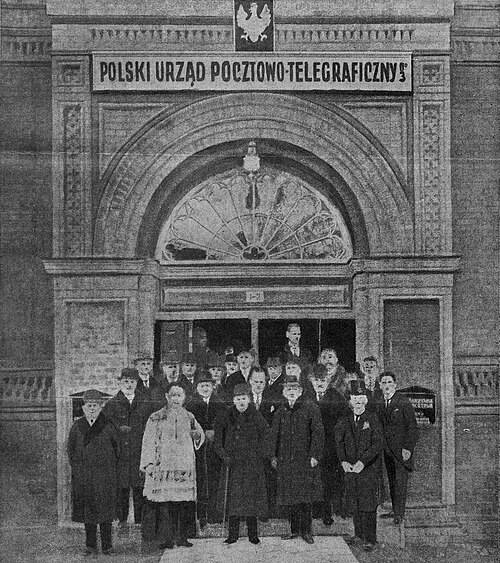
Look at this handsome red-brick facade and try not to smell the gunpowder. I stood right here on September first, nineteen thirty-nine, clutching a battered tin drum that desperately needed new lacquer. Inside, my presumptive father, Jan Bronski, was playing skat with cards stained by plaster dust while SS armored cars rattled outside. Fifty-five Polish postal workers defended this building for fifteen brutal hours against heavy artillery and flamethrowers commanded by General Eberhardt. They fought for a post office because it represented their sovereignty in the Free City of Danzig, while I simply wanted Jan to fix my drum. When the basement was flooded with gasoline and set ablaze, Jan emerged with his hands raised, clutching his card deck. They marched him off to Zaspa cemetery to face a firing squad. People call it the opening chapter of WWII, a heroic stand of clerks against impossible odds. But to me, it was the day my poor Jan was executed for playing cards in a doomed fortress while a three-year-old drummer boy watched from the shadows. His blood was barely dry before they erased his name, leaving red brick, scorched mortar, and the phantom beat of my tin drum.