Contents
History & cultureBY TELLBY7 sections · numbered as on the map01 Orientation
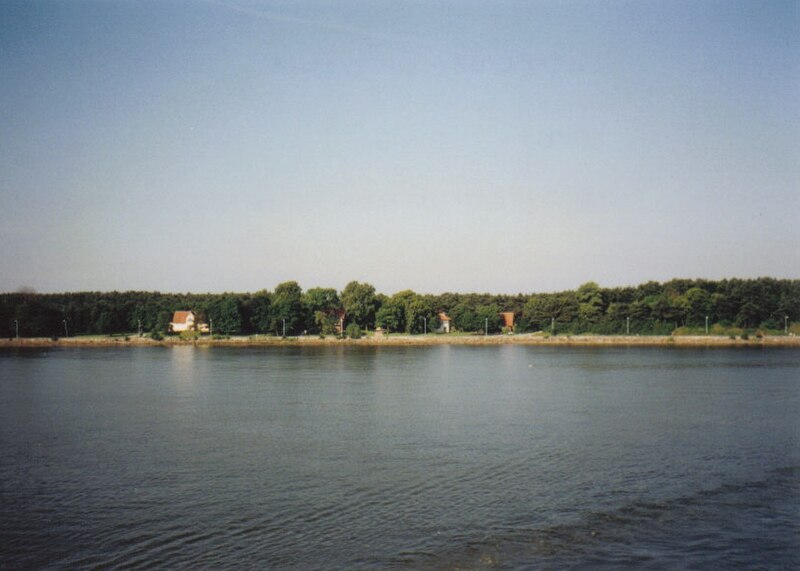
Welcome to the Curonian Spit a narrow and remarkable sand dune peninsula stretched gracefully between the stormy Baltic Sea and the peaceful Curonian Lagoon. This extraordinary location stands as a living monument to the profound harmony forged between human perseverance and the unrelenting forces of nature where generations of coastal communities fought continuously to shield their homes from shifting sands and violent coastal winds.
Formed nearly five thousand years ago on a foundation of glacial moraine islands the currents of the sea and coastal winds gradually deposited massive volumes of sand to craft this unique geographic spit. Stretching over a total length of ninety eight kilometres this fragile strip of sand varies in width from just a few hundred metres to a few kilometres serving as an invaluable natural barrier that shelters the quiet waters of the lagoon from the open sea.
However the human story embedded within this landscape is marked by deep ecological drama. During past centuries aggressive logging and uncontrolled deforestation completely stripped away the ancient forest canopy that anchored the soil. Deprived of protective roots massive sand dunes began moving across the peninsula under fierce ocean winds gradually engulfing historic fishing settlements and burying entire cultural communities beneath deep layers of sand.
Faced with total environmental collapse local residents and authorities initiated monumental land preservation projects. Coastal protection ridges were constructed along the seashore and extensive reforestation efforts anchored the shifting sands with pine forests. This continuous human dedication transformed an environmental crisis into an unprecedented story of ecological restoration and sustainable land management.
In the year two thousand UNESCO designated the Curonian Spit as a binational World Heritage Site shared between Lithuania and Russia recognizing it as an outstanding cultural landscape. Today small urbanized settlements account for only a tiny fraction of the land while rich forests and sweeping sand dunes dominate the surroundings. As we begin our journey together listen closely to the stories of resilience cultural identity and timeless heritage carved into every dune and forest path across this magnificent spit.
02 Wooden Burial Markers of Nida
Between the sixteenth and eighteenth centuries severe sandstorms caused by catastrophic deforestation completely swallowed fourteen historic fishing villages beneath shifting dunes across the peninsula.
Please look towards the uniquely carved wooden plates standing quietly beneath the ancient trees on your right side. This is the Nida Ethnographic Cemetery a peaceful sanctuary where the memory and spirits of the coastal Kursenieki inhabitants rest today. …
03 Thomas Mann Cultural Centre
The Nobel Prize winning German author Thomas Mann fell in love with the magnificent sand dune landscape and constructed his private summer residence here after just a single holiday visit.
Please look up at the beautiful timber building perched on the hill featuring bright red roof tiles combined with traditional thatched elements overlooking the quiet waters of the Curonian Lagoon. Today this historic structure serves as the vibrant Thomas Mann Cultural Centre. …
04 Traditional Boats' Weathervanes
The wooden weather vanes attached to local fishing boats were far more than simple instruments for measuring wind direction serving as unique identification cards that revealed the vessel's home village and social status.
Please look closely at the intricate wooden weather vanes displayed on the shore or mounted atop the masts of traditional fishing boats anchored in the harbor. …
05 Drifting Dunes of Parnidis
The name of Parnidis Dune originates from a local phrase meaning passed across Nida because this wind blown sand hill literally drifted over the village of Nida multiple times throughout history.
Please look down at the wooden boardwalk path beneath your feet and gaze across the breathtaking ridge of the vast white sand dune expanding before your eyes. You are walking along the Parnidis Dune Trail a spectacular landscape where drifting sands and coastal winds meet in continuous motion. …
06 Granite Sundial on Parnidis Dune
Standing on the summit of a sand dune fifty two metres above sea level this remarkable sundial features a massive granite pillar weighing thirty six tonnes.
Please look at the tall granite pillar rising vertically at the center of the dune summit surrounded by semicircular steps covered with smooth granite slabs. You are standing before the Parnidis Granite Sundial and Astronomical Calendar positioned at the most scientifically ideal location on the peninsula. …
07 Closing
As our journey comes to an end let us reflect upon the delicate nature of this narrow sand peninsula resting between the Baltic Sea and the Curonian Lagoon and appreciate the profound value of continuous human conservation efforts.
Today we have walked together through the remarkable cultural landscape of the Curonian Spit a place shaped by sand wind and human perseverance. …