 Photo Wikimedia Commons
Contents
History & cultureBY TELLBY1 sections · numbered as on the map01 Burry Port Harbour
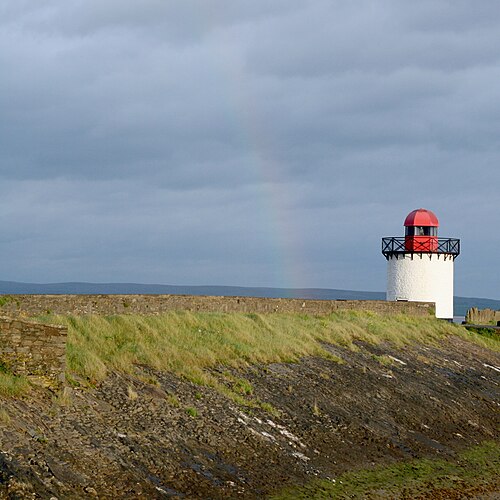
Landing on grey Welsh waters after twenty continuous hours in a vibrating fuselage sounds romantic in history books, but let me tell you the truth. When our yellow-winged Fokker F.VIIb floatplane, the Friendship, splashed down here off Burry Port in June 1928, I was freezing, soaked, and smelled entirely of high-octane aviation fuel. The press hailed me as the first woman to cross the Atlantic by air. But while Wilmer Stultz worked the controls and Louis Gordon tuned the engines, I sat in the back like a sack of potatoes. I kept the flight log, drank cold soup out of a thermos, and stared into dense ocean fog. Local fishermen in oilskins rowed out to greet us, absolutely stunned to find a woman in leather trousers emerging from a seaplane. The international headlines transformed me overnight into an icon, but sitting on this harbor pier, looking back at the dark sea, I felt an overwhelming wave of frustration. I hadn't flown that plane—I had only been carried across. Right then and there, listening to the tide crash against the stone quay, I made myself a silent, ironclad promise: the next time I crossed the Atlantic, I would be sitting in the pilot's seat alone. No baggage, no excuses, just my hands on the wheel.