Contents
History & cultureBY TELLBY5 sections · numbered as on the map01 Orientation
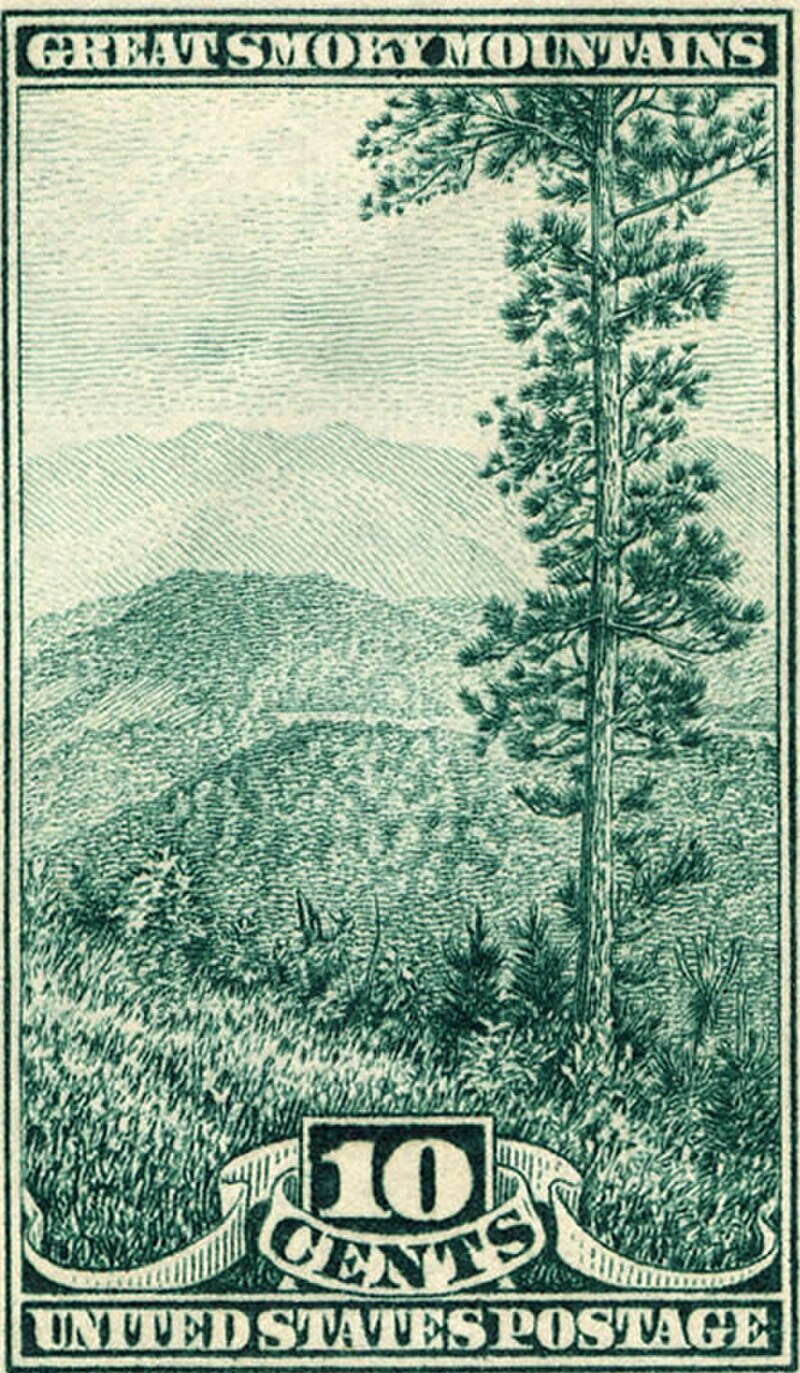
Welcome to Great Smoky Mountains National Park, a breathtaking natural sanctuary spanning the border between Tennessee and North Carolina in the southeastern United States. Internationally recognized as a UNESCO World Heritage Site, this expansive wilderness protects one of the oldest and most ecologically complete temperate ecosystems on Earth. Long ago, during the Pleistocene glaciations, when massive ice sheets expanded across northern North America, countless plant and animal species migrated southward, finding a critical refuge within these ancient mountain ridges and sheltered valleys. Because these high peaks remained largely undisturbed by glacial ice and modern human settlement, they offer us an unprecedented window into what temperate flora looked like long before the rise of industrial civilization.
Encompassing more than two hundred thousand hectares, Great Smoky Mountains National Park stands as one of the largest protected forest ecosystems in the eastern United States. The park boasts an extraordinary degree of biological diversity that far exceeds other temperate zone protected areas of comparable size. Within its sprawling boundaries, scientists have documented over three thousand five hundred species of plants, including more than one hundred distinct native tree species. Remarkably, this diversity of tree species rivals that of the entire European continent. Furthermore, the park is globally celebrated as the Salamander Capital of the World, harboring thirty-one distinct salamander species that thrive in its damp cloud forests and crystal-clear mountain streams. Dense populations of black bears, hundreds of bird species, and tens of thousands of recorded organisms all contribute to this remarkably resilient biological landscape.
Spanning Sevier, Blount, and Cocke counties in Tennessee, alongside Swain and Haywood counties in North Carolina, the park protects a dramatic topographically complex terrain of lofty peaks and deep stream valleys. A characteristic blue haze gently drapes over the sweeping mountain ridges, creating a mystical atmosphere that inspired the native Cherokee people to name this region Shaconage, meaning place of blue smoke. Today, the southern boundary of the park adjoins the Qualla Boundary, the ancestral homeland of the Eastern Band of Cherokee Indians.
As you begin your journey through these mist-shrouded peaks, you will discover not only a world-class biological sanctuary but also an inspiring saga of human dedication. From visionary local citizens and dedicated leaders who fought to save these ancient trees from clearcut logging to the hard-working laborers who built its roads and trails, the history of the Smokies is as rich and enduring as its natural scenery. Listen closely to the rustling forest canopy and cascading mountain streams as we explore the iconic landmarks and extraordinary wildlife of Great Smoky Mountains National Park.
02 Newfound Gap and the Rockefeller Memorial
Did you know that the creation of this magnificent national park was saved from total failure by a single son who donated five million dollars in loving memory of his mother? In the early twentieth century, ambitious efforts to establish a national park in the Southern Appalachian mountains faced a severe financial crisis that threatened to derail the entire movement. …
03 Alum Cave Trail and the Park Founders
Did you know that a collection of breathtaking landscape photographs single-handedly convinced federal officials to choose these mountains over all other candidate sites in the American South? In the early twentieth century, the federal government established the Southern Appalachian National Park Committee to search for a location to create a major national park in the eastern United States. …
04 Elkmont and the Synchronous Fireflies
Did you know that inside these deep forested valleys, thousands of fireflies gather every summer to perform one of nature's most incredible nocturnal light shows by flashing in near-perfect unison? Every year, as dusk settles over the woods of Elkmont, the forest floor transforms into a magical glowing amphitheater. This extraordinary phenomenon is created by Photinus carolinus, a rare species of synchronous firefly native to the Southern Appalachian mountains. …
05 Closing
This brings us to the conclusion of our audio tour through the historical sites and ancient wilderness of Great Smoky Mountains National Park. Today, our journey has taken us through an extraordinary tapestry of human history and ecological wonder. We began with the inspiring story of early conservationists and the Rockefeller family whose generosity saved these mountains from destruction. …