Contents
History & cultureBY TELLBY7 sections · numbered as on the map01 Orientation
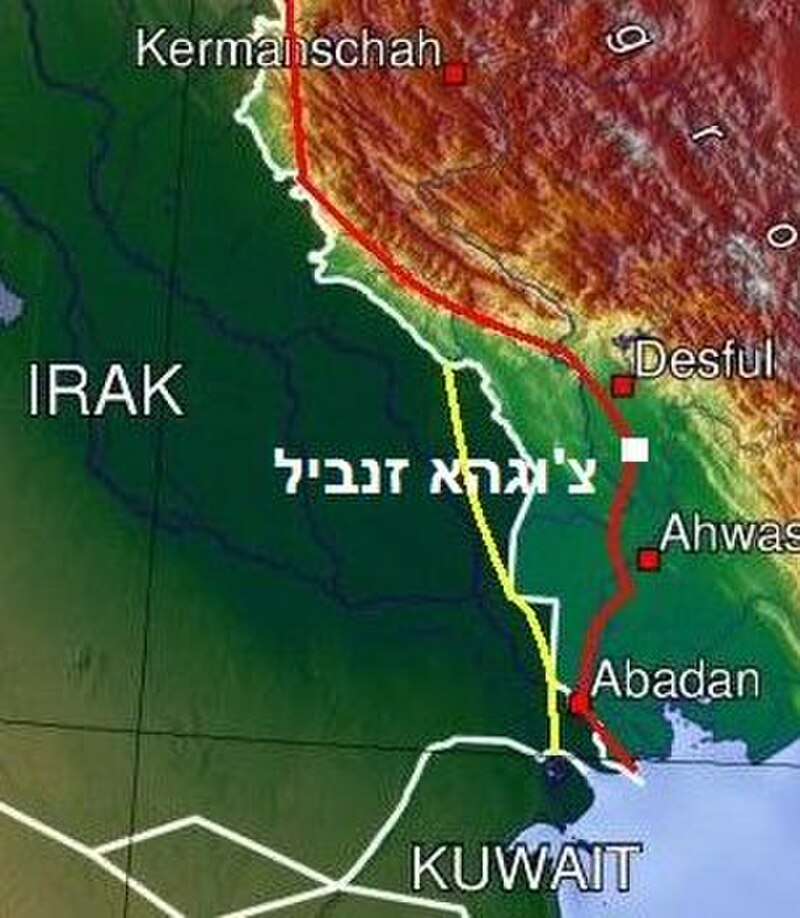
Welcome to Chogha Zanbil, an ancient Elamite sanctuary and one of the world's most extraordinary archaeological treasures. This site features the finest surviving example of a stepped ziggurat outside Mesopotamia and stands as a paramount monument to ancient Elamite architectural genius and religious integration. In recognition of its outstanding universal value, UNESCO inscribed Chogha Zanbil as Iran's very first World Heritage Site in 1979. Construction of this grand royal and sacred complex began around 1250 BC under the visionary leadership of King Untash-Napirisha, ruler of the Middle Elamite Kingdom during the Igihalkid Dynasty. Originally named Dur Untash, which translates to the Town of Untash or the Fortress of Untash, the city was strategically established on the Khuzestan plain near the Dez River, approximately thirty kilometers southeast of the ancient regional capital Susa and eighty kilometers north of modern Ahvaz. King Untash-Napirisha envisioned Dur Untash not merely as a royal stronghold, but as an inclusive, unified holy city designed to bring together the diverse populations of highland Anshan and lowland Susiana under a shared religious pantheon. Rather than elevating only Inshushinak, the traditional patron deity of Susa, the king dedicated the primary sanctuary jointly to Inshushinak and Napirisha, the supreme national god of Elam, while creating shrines for over twenty Elamite and Mesopotamian deities to foster national harmony. The complex spatial organization of Dur Untash is defined by three massive concentric protective walls that divide the royal, public, and sacred realms of the ancient metropolis. The expansive outer perimeter wall protected the outer royal quarter, which contained grand royal palaces, administrative buildings, and five subterranean royal funerary vaults built deep beneath the palace floors. Historical cuneiform inscriptions record that this outer wall featured seven grand gateways, though thorough archaeological excavations have uncovered only two of them to date. Stepping past the outer boundary brings visitors into the middle enclosure, where eleven distinct temples were constructed to house individual deities such as Pinikir, Kiririsha, Nabu, Adad, and Nahhunte, serving as a vibrant public center for worship and royal rituals. Finally, the innermost wall encloses a sacred sanctuary of two and a half hectares dominated by the monumental stepped ziggurat. Originally rising fifty-three meters across five distinct tiers and crowned with an exalted High Temple at its summit, this immense mud-brick structure served as the symbolic earthly dwelling of the gods and the ultimate focal point of Elamite spiritual life. Although construction abruptly halted following the king's untimely death, leaving many temples unfinished, the site remains an unparalleled masterpiece of ancient civil engineering. The modern name Chogha Zanbil, meaning basket mound in the local dialect, was bestowed by local inhabitants who saw its resemblance to an inverted woven basket. As you begin this immersive audio walking tour, step back three thousand three hundred years into the golden age of Elamite history.
02 The Royal Palaces and Subterranean Tombs
Beneath the cold mud-brick floors of the royal palace lay five hidden subterranean vaults, containing mysterious cremated human remains and an extraordinary wealth of ancient grave goods. You are currently standing in the Royal Funerary Quarter, situated within the vast outer perimeter wall of Dur Untash. Look down at the mud-brick foundations beneath your feet and scan the sweeping line of the outer perimeter wall stretching across the desert landscape. …
03 The Eleven Temples of the Middle Enclosure
In an extraordinary act of religious unification, King Untash-Napirisha attempted to consolidate all the diverse regional gods of highland and lowland Elam within this single sacred location. You are now standing in the middle temenos enclosure, a specialized temple district protected by the middle boundary wall. Turn your gaze toward the west and examine the weathered mud-brick walls of the temples dedicated to various Elamite and Mesopotamian deities surrounding this broad courtyard. …
04 The Grand Entrance Gate and the Sacred Bull
Life-sized glazed terracotta statues of ferocious animals once stood guard at each gateway, protecting the inner sanctuary from evil spirits and ritual contamination. You are now standing at the threshold of the grand entrance gate built into the innermost temenos wall enclosing the sacred ziggurat precinct. Look down at the massive stone threshold step embedded in the entryway floor beneath your feet. …
05 The Ziggurat Base and Ancient Drainage Engineering
Despite being constructed primarily from fragile, water-vulnerable sun-dried mud bricks three thousand three hundred years ago, this massive ziggurat survived millennia of flash floods thanks to an extraordinarily sophisticated water drainage network engineered into its core structure. You are currently standing at the base of the monumental stepped ziggurat. Direct your gaze toward the long water channels and baked brick gutters running along the lower edge of the ziggurat wall. …
06 The High Temple and Cuneiform Brick Inscriptions
Every eleventh row of baked bricks on the exterior of this monument bears an identical hand-stamped cuneiform inscription praising the gods. Lift your eyes toward the mid-levels of the ziggurat walls and examine the densely stacked courses of baked bricks. Although the ziggurat currently stands at twenty-four point seven five meters high, which is less than half of its original estimated height of fifty-three meters, its state of preservation remains unsurpassed among ancient stepped pyramids…
07 Closing
Our audio guide walking tour through Chogha Zanbil, the ancient monument of earth, now comes to a heartfelt conclusion. Dur Untash, left unfinished following King Untash-Napirisha's sudden death around 1240 BC, suffered a tragic historical fate when the Neo-Assyrian king Ashurbanipal invaded Elam around 645 BC and sacked the holy city during his campaign against Susa. …