Contents
History & cultureBY TELLBY8 sections · numbered as on the map01 Orientation
Welcome to Hemis Monastery, a sacred Himalayan spiritual sanctuary and the principal seat of the Drukpa Kagyu lineage of Tibetan Buddhism. Situated in a tranquil valley along the winding banks of the Indus River, approximately forty to forty-five kilometers southeast of Leh in Ladakh, India, this ancient gompa stands as one of the most revered and majestic monastic complexes in the entire Himalayan region.
The historical origins of Hemis Monastery date back well before the eleventh century. It was later grandly reestablished in the year sixteen seventy-two by the Ladakhi King Sengge Namgyal, acquiring the magnificent architectural splendor that we behold today. As the primary seat of the Drukpa Order, the monastery continues its vibrant spiritual lineage under the spiritual leadership of the Twelfth Gyalwang Drukpa. Deeply rooted in Tantric Vajrayana traditions, Hemis serves as a radiant center of devotion honoring Lord Padmasambhava, also known as Guru Rinpoche, who was born on the tenth day of the fifth month in the Monkey year as foretold by Buddha Shakyamuni to elevate the spiritual condition of all living beings.
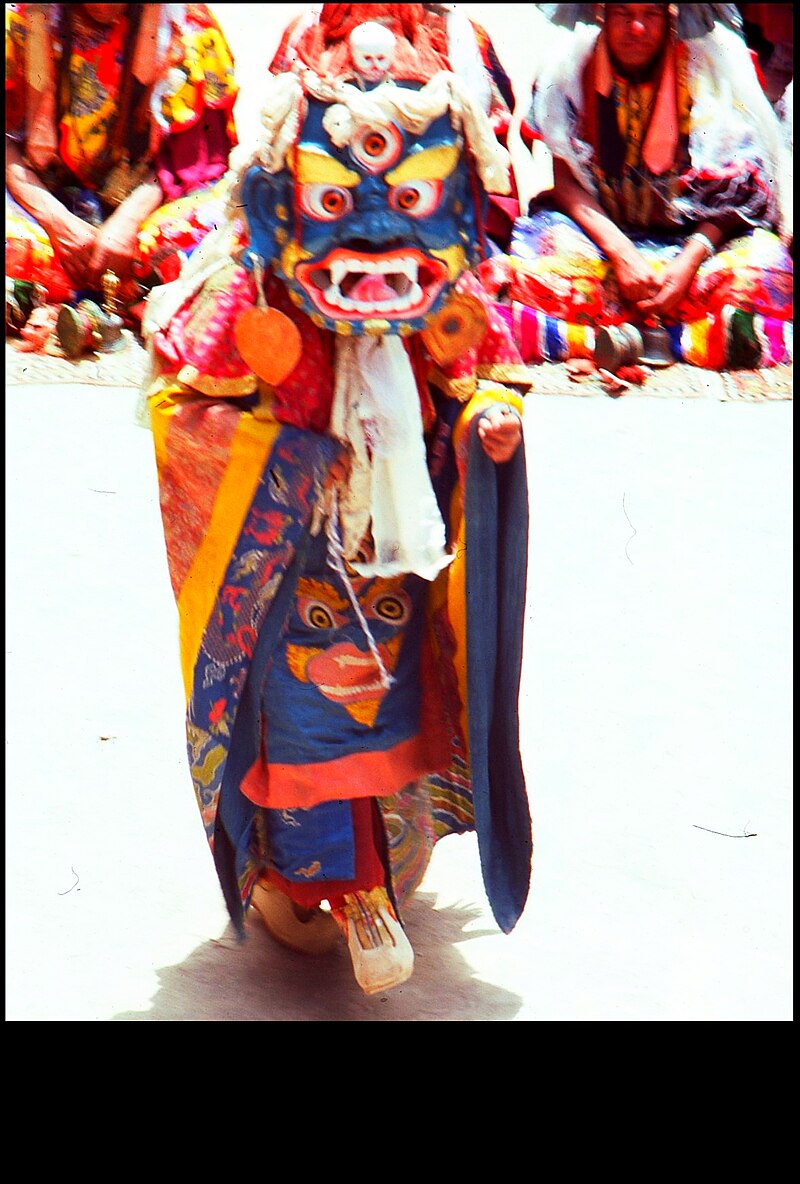
Our guided walking journey today begins at the peaceful entry road, lined with holy mani walls and meticulously crafted white chortens. From there, we will step through the grand entrance into the expansive rectangular main courtyard, which serves as the vibrant stage for the world-renowned Hemis Tsechu festival. Surrounding this courtyard, you will marvel at the seventeenth-century wall paintings in the covered gallery, illustrating the Eighty-Four Mahasiddhas created with ground mineral pigments.
We will then enter the main shrine hall to encounter the towering, golden statue of Guru Rinpoche along with sacred ritual instruments and masks used in esoteric Cham performances. Ascending the stairs to the gompa rooftop, you can take in the breathtaking panorama of the Indus River and the towering Himalayan peaks while learning about the sacred morning ritual of revealing the Dadmokarpo portrait. Finally, we will visit the monastic library, home to priceless Tibetan manuscripts on philosophy, medicine, and science, and discover how modern preservation efforts like the Gyan Bharatam project are safeguarding this heritage for future generations. May your journey through these ancient halls bring you profound peace and spiritual wisdom.
02 Entry Road & Mani Wall
Welcome to the scenic entry road leading to Hemis Monastery. As you walk along the approach path toward the main entrance, you will notice a long, low stone wall extending continuously alongside the driveway, punctuated at regular intervals by elegant white Buddhist stupas. This long stone structure is known as a mani wall, and the surrounding sacred monuments are called chortens.
A mani wall is far more than a simple boundary constructed of stacked stones. …
03 The Main Courtyard
Passing through the main gateway at the end of the entry road, you step into the expansive, beautifully maintained main courtyard. This wide, rectangular courtyard serves as the central heart of monastic life and religious ritual at Hemis Monastery. Enclosed on all four sides by traditional timber galleries, carved balconies, and monastic quarters, the space feels simultaneously welcoming and spiritually imposing. …
04 Gallery of the Eighty-Four Mahasiddhas
As you step up into the shaded wooden gallery enclosing the main courtyard, take a moment to look up at the timber beams and gaze closely along the continuous wall surfaces. This elevated covered walkway is the world-renowned Gallery of the Eighty-Four Mahasiddhas, featuring invaluable seventeenth-century mural paintings that depict the grand, enlightened masters of Tantric Vajrayana Buddhism. …
05 Main Shrine Hall & Guru Rinpoche Statue
Stepping across the dark wooden threshold into the main shrine hall of Hemis Monastery, you immediately transition from the bright outdoor sunlight into a dimly lit, profoundly sacred atmosphere infused with ancient reverence. This central sanctuary serves as the primary place of worship for the entire monastic complex, where generations of Drukpa monks have gathered over the centuries to chant sacred scriptures, perform rituals, and offer prayers. …
06 Gompa Rooftop & Ritual Viewpoint
Ascending the steep wooden stairs from the main shrine hall to the gompa rooftop, you emerge into the crisp mountain air where a breathtaking panorama unfolds beneath the vast Himalayan sky. Standing at the rooftop railing and looking down toward the valley floor, this vantage point offers the most spectacular view in all of Hemis Monastery, looking out across the winding Indus River and the rugged, snow-dusted peaks of the surrounding Ladakh mountain range. …
07 Library & Tibetan Manuscripts
Following our tour route, we now enter the library and Tibetan manuscript repository of Hemis Monastery. This quiet hall is a vast treasure trove of ancient wisdom, housing invaluable Tibetan manuscripts that encompass Buddhist philosophy, traditional medicine, astronomy, logic, and Himalayan history.
This library was also at the center of a famous international literary controversy in the late nineteenth century. …
08 Closing
We have now reached the conclusion of our guided audio tour at Hemis Monastery. From the serene entrance road lined with sacred mani walls to the grand main courtyard, the gallery of the Eighty-Four Mahasiddhas, the main shrine hall with its towering statue of Guru Rinpoche, the panoramic rooftop viewpoint, and the historic library housing ancient Tibetan manuscripts, you have walked through a living monument of Himalayan Buddhist heritage. …