Contents
History & cultureBY TELLBY8 sections · numbered as on the map01 Orientation
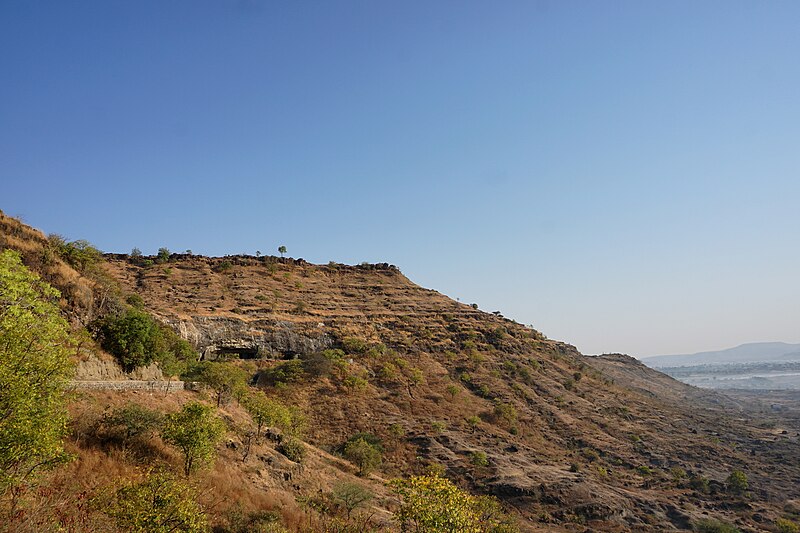
Welcome to the peaceful foothills of the Sihyachil hills, home to the extraordinary rock cut sanctuaries known as the Sambhajinagar Caves. Situated in the culturally rich region of Maharashtra near the historic gateway city of Sambhajinagar, historically known as Aurangabad, this remarkable site represents a vital chapter in Indian rock cut architecture and ancient Buddhist artistic heritage. Excavated between the sixth and seventh centuries AD during the post Gupta and Vakataka era, these ancient caves were painstakingly carved directly into the solid basaltic cliffs by dedicated monks, master masons, and sculptors. This period was characterized by a profound transformation in Buddhist devotional practices, marked by the prominent visual representation of the Buddha in complete, life sized human form alongside a rich pantheon of Bodhisattvas and divine protectors. The surrounding Deccan region served as a vibrant crossroads of international trade, regional culture, and intellectual thought, connecting ancient land routes with maritime trade networks. Despite being positioned close to major commercial transit corridors, these elevated hill sanctuaries offered an isolated and tranquil refuge where practitioners could reside, study sacred texts, and practice deep meditation away from worldly distractions. As you step onto the winding stone pathways leading up the hillside, you are traversing centuries of preserved faith and architectural brilliance. The city of Aurangabad itself is legendary across India, celebrated for its historic fifty two gates, rich Mughal and Maratha cultural layers, and proximity to famous monuments like the grand cave complexes of Ajanta and Ellora. However, the Sambhajinagar Caves hold a unique and intimate charm of their own, offering a magnificent close up look at late Buddhist sculptural mastery. As you navigate through the site today, please take your time and observe all safety recommendations. Walk with care along the elevated stone pathways and steps, as the hillside terrain can be uneven and steep in places. To ensure the preservation of these invaluable treasures for generations to come, kindly refrain from touching any of the carved surfaces, delicate friezes, or ancient structural pillars. Allow your eyes to adjust to the shadowed sanctums as you listen to each chapter of this audio guide, which will reveal the refined artistic details, complex iconographic themes, and historical context of each shrine. Prepare to enter a timeless sanctuary carved out of living mountain stone, where sacred art and human devotion remain eternally bound together high above the modern landscape.
02 The Sanctuary in the Sihyachil Hills
The remarkable distinctiveness of the Sambhajinagar Caves is deeply rooted in the dramatic natural topography of the Sihyachil hills and the unique geological formation of the surrounding Deccan Plateau. Millions of years ago, intense volcanic eruptions formed this landscape, depositing thick layers of dense, dark basaltic rock that ultimately served as an extraordinary natural foundation for ancient Indian rock cut engineering. …
03 The Human Form of Buddha and Sacred Statuary
As you step across the threshold into the darkened inner chambers of the Sambhajinagar Caves, the primary focal point of ancient spiritual devotion becomes immediately striking: the grand and reverent representation of the Buddha depicted in full human form. In the earliest centuries of Buddhist art, direct human representations of the Enlightened One were rare, as sculptors chose instead to symbolize his divine presence through aniconic emblems such as the lotus flower, the wheel of the law,…
04 The Masterpiece Friezes and the Dancing Lady
Among all the artistic treasures preserved inside the Sambhajinagar Caves, the single most celebrated masterpiece is the magnificent relief frieze depicting a dancing lady accompanied by female musicians. This world renowned carving represents one of the finest syntheses of sacred space and classical performing arts in early medieval Indian history. …
05 Buddhist Deities and Distinctive Facial Features
Exploring the corridors and side walls of the Sambhajinagar Caves brings visitors face to face with an extraordinary array of carved Buddhist deities, guardians, female attendants, and disciples. Among these remarkable relief figures, historians and art scholars have identified a particularly fascinating aesthetic feature: distinct facial characteristics and hair textures that strongly suggest cosmopolitan influences, including direct connections to African populations. …
06 Monastic Cells and Sanctuary Architecture
Examining the structural architecture of the Sambhajinagar Caves provides deep insight into how space was designed to serve both the practical living needs and spiritual aspirations of the monastic community. The complex exhibits a classic layout combining central pillared halls, inner shrines, carved doorways, and private living quarters known as viharas. …
07 The Caves in the Broader Heritage of Aurangabad
The Sambhajinagar Caves do not exist in isolation; rather, they form a crucial thread in the rich historical tapestry that defines Aurangabad and the broader Deccan plateau. Throughout history, this region served as a strategic crossroads and cultural heartland, occupied and enriched by a succession of powerful dynasties, including the Satavahanas, Vakatakas, Yadavas, Nizamshahis, Mughals, and Marathas. …
08 Closing
Thank you for joining this audio tour of the historic Sambhajinagar Caves, nestled high in the Sihyachil hills. Throughout this journey, you have explored the remarkable world of late Buddhist rock cut architecture, crafted between the sixth and seventh centuries AD by master sculptors and devoted monks. …