Contents
History & cultureBY TELLBY1 sections · numbered as on the map01 Görlitz
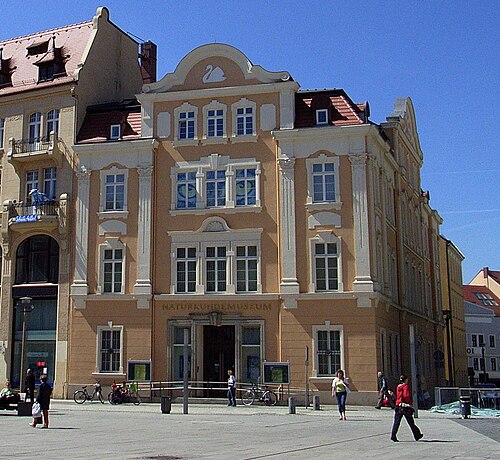
Görlitz stands proudly on the Lusatian Neisse, Germany's easternmost city, offering an breathtaking architectural tapestry of Gothic, Renaissance, and Gründerzeit facades that survived the devastation of World War II almost untouched. Divided by the post-war border from its Polish sister city Zgorzelec, it is a place where geography carries the heavy scars of 20th-century history. Standing near the historic Old Town Hall, looking east across the river, I am reminded of Hanna's origins in the eastern borderlands. She had come from Silesia, part of that vast displacement of people reshuffled by war and ideology. Walking through these immaculate cobbled squares, where filmmakers now come to shoot period dramas, one feels the ghost of forgotten stories lingering behind every carved stone portal. Here on the quiet border, where nations were divided and populations uprooted, history is not an abstract concept in a textbook; it is a living boundary line etched into the very soil, silently holding secrets that words can never fully recover.