 Photo Wikimedia Commons
Contents
History & cultureBY TELLBY7 sections · numbered as on the map01 Orientation
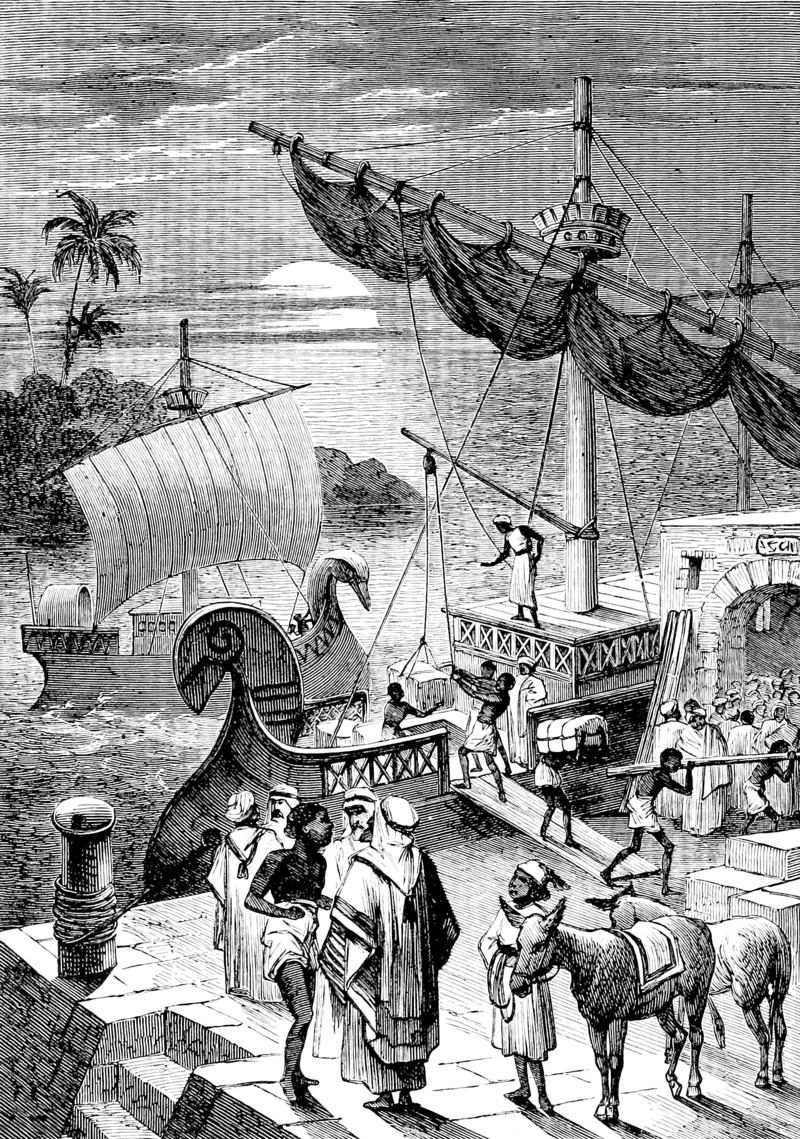
Welcome to the entry point of the Tyre archaeological site, where the brilliant blue horizon of the Mediterranean Sea meets one of the most remarkable cultural landscapes in human history. The soil beneath your feet belongs to an ancient coastal metropolis that has served as a continuous home for human communities across thousands of years. Recognizing its extraordinary universal value and profound influence on global heritage, UNESCO officially inscribed this entire ancient complex as a World Heritage Site in nineteen eighty four. Tyre stood as the vibrant beating heart of Phoenician civilization, serving as an undisputed pioneer in long distance maritime trade, naval architecture, celestial navigation, and industrial enterprise. It was from these historic shores that Tyrian mariners launched their iconic galleys to weave an intricate commercial web across the Mediterranean basin, establishing the foundational economic, political, and cultural framework that would shape classical Western civilization.
As you stand here at the main orientation area, take a slow moment to absorb the expansive archaeological panorama before you. Scattered stone column drums, weathered foundation blocks, and ancient masonry fragments visible around the entrance offer a captivating preview of the monumental urban center that once thrived here. Tyre was not merely a metropolis of merchants and mariners, but also a legendary realm deeply woven into classical mythology. It was revered as the homeland of Europa and Cadmus, as well as the birthplace of Queen Dido, who set sail from these very shores to found the great North African empire of Carthage. Throughout its long existence, Tyre adapted and prospered through the rise and fall of successive global powers, leaving behind physical traces of Phoenician, Hellenistic, Roman, and Byzantine occupations.
Today, as you follow this audio guide along the designated walking tour, you are invited to walk where ancient emperors, scholars, and master stonemasons once walked. The pathway stretching forward invites you to experience a multi-layered journey through time, unearthing the architectural grandeur and human stories embedded within this sacred earth. This guide will accompany you through five primary locations across the archaeological park, revealing astonishing historical events, spatial perspectives, and subtle artistic features tucked quietly within the stone. Please take a comfortable stance, adjust your listening pace, and prepare to submerge yourself in the timeless legacy of the Mediterranean. Let us now begin our walking journey by proceeding forward along the central path toward our first destination, the Al Bass Necropolis, where an extraordinary funerary avenue lined with carved stone tombs awaits your arrival.
02 The Great Necropolis
As you step onto the threshold of the Al Bass Necropolis, you are immediately immersed in one of the most astonishing and preserved funerary landscapes of the ancient Mediterranean world. Surprisingly, this vast archaeological zone houses one of the largest ancient necropolises ever brought to light, spanning continuous centuries of use from the Roman Imperial era through the height of the Byzantine period, and containing hundreds of carved stone sarcophagi standing in remarkable structural…
03 Monumental Triumphal Arch
Standing before the soaring facade of the Tyre Triumphal Arch, you are instantly wrapped in the architectural magnificence and imperial power of the ancient Roman Empire. Surprisingly, this monumental stone archway was painstakingly reconstructed using precise archaeological restoration techniques to bring back to life the glorious ceremonial entrance through which Roman emperors, high governors, and victorious military commanders once marched when entering this imperial metropolis. …
04 The Grand Hippodrome
Standing at the center of the Tyre Hippodrome, you are entering one of the most thrilling and colossal sports arenas in the entire ancient Mediterranean world. Surprisingly, this massive stone stadium is one of the largest ever constructed in the ancient Roman Empire, measuring four hundred eighty meters in length and one hundred sixty meters in width, with a seating capacity capable of holding over thirty thousand cheering spectators during major race days. …
05 The Tyrian Purple Coast
Standing upon the rocky shoreline of Tyre, where coastal breezes blow across ancient stone foundations, you are positioned at the birthplace of an industry that captivated the ancient world. Surprisingly, it required more than eight thousand tiny Murex sea snails to extract just one single gram of the legendary Tyrian Purple dye, making this vibrant color worth significantly more than its weight in pure gold. …
06 Siege of Tyre & Temple Precinct
Standing within the sacred precincts of the Temple of Melqart near the ancient shoreline, you are surrounded by the legacy of legendary sieges and empire-shaping events. Surprisingly, Tyre was originally an impregnable offshore island city separated from the mainland by over half a mile of open sea, until Alexander the Great demolished the ancient mainland settlement in three hundred thirty two BC to build a colossal stone causeway through the ocean. …
07 Closing
As our walking audio tour through the archaeological park of Tyre comes to a thoughtful conclusion, we pause to reflect upon the extraordinary journey across millennia of human achievement. From the carved stone sarcophagi lining the ancient paved avenue of the Al Bass Necropolis to the triumphal archway of Emperor Hadrian, the roaring stadium tiers of the Great Hippodrome, the industrial Murex shore that yielded purple dye worth more than pure gold, and the sacred temple precinct connecting…