 Photo Wikimedia Commons
Contents
History & cultureBY TELLBY1 sections · numbered as on the map01 Combahee River: The Ancestral Home Set and Jungle Grounds
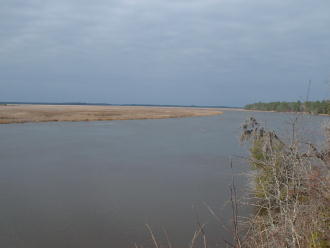
If you think building a two-story Southern mansion just to tear it down after filming is crazy, welcome to Hollywood logic. You are standing along the Combahee River in Beaufort County, South Carolina, a blackwater river winding through lowcountry marshes. This river carries serious history. On June 2, 1863, Harriet Tubman guided Union gunboats up these waters during the Combahee River Raid, freeing over seven hundred enslaved people. A century later, film crews arrived at Bluff Plantation along these shores to construct the Gump family home, complete with a sweeping porch and moss-draped live oaks. They built the house out of plaster and plywood, making it look a hundred years old, only to tear it down because local zoning laws wouldn't allow a non-code structure to remain standing. Nearby acreage along this riverbank was transformed with fake palm fronds and explosive charges to shoot the Vietnam patrol scenes where my platoon walked into an ambush. Look out across that dark water reflecting the Spanish moss. Movie directors construct temporary dreams on these shores, but the river keeps flowing quietly toward the Atlantic Ocean regardless of who tries to master it.