Contents
History & cultureBY TELLBY7 sections · numbered as on the map01 Orientation
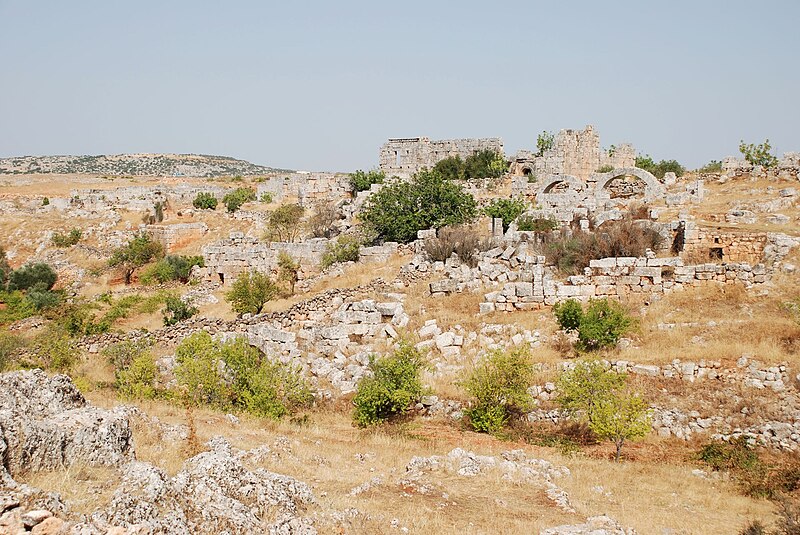
Welcome to the Dead Cities, a breathtaking archaeological landscape resting upon the vast limestone plateau of northwestern Syria. In 2011, this extraordinary territory was inscribed as a UNESCO World Heritage site, recognized for preserving an unprecedented record of rural Byzantine life and the thriving olive oil trade that flourished between the 1st and 7th centuries. Spanning the elevated limestone massif situated between Aleppo and Idlib, this silent region holds the extraordinary remains of approximately 700 abandoned ancient settlements, thoughtfully organized across eight designated archaeological parks. During Late Antiquity, the resourceful inhabitants of these hills transformed the rocky terrain into highly productive agricultural estates. They cultivated extensive olive groves and extracted liquid gold that flowed continuously along international maritime trade routes, bringing immense prosperity to these rural communities. This wealth was poured back into the earth through magnificent architecture, resulting in sturdy stone dwellings, elaborate basilicas, subterranean cisterns, and public bathhouses that survive today in astonishing detail. Over subsequent centuries, shifting geopolitical dynamics and altered trade routes led to the gradual departure of the population, leaving behind an open-air museum frozen in time. In a striking historical contrast, these long-forgotten stone structures have recently assumed a vital new role amid the contemporary Syrian conflict. Thousands of displaced refugees, fleeing modern warfare, have sought shelter within these two-thousand-year-old stone walls, re-purposing ancient masonry to reconstruct their daily livelihoods and protect their families. This profound interaction between ancient endurance and present-day survival demonstrates that these stone monuments are not merely static artifacts of a bygone era, but a resilient physical sanctuary that continues to sustain human life across millennia. As you embark on your exploration today, our audio guide will accompany you through several key archaeological sites that reveal the intimate daily routines, spiritual devotion, and economic vitality of this forgotten Byzantine frontier. Please step forward and follow the ancient stone path as we begin our journey toward our first remarkable stop, the Church of Saint Simeon Stylites.
02 Church of Saint Simeon Stylites
The monumental Church of Saint Simeon Stylites standing before you is one of the oldest surviving Christian church buildings in the world and an unrivaled masterpiece of 5th century Byzantine ecclesiastical architecture. Most remarkably, this sacred sanctuary marks the historic site of an unprecedented act of extreme spiritual devotion, where a legendary ascetic spent his entire adult life atop a tall stone pillar, detaching himself completely from material comforts to devote every waking…
03 Taqla Domestic Ruins
Welcome to the Taqla domestic ruins, a serene site steeped in silence and historic atmosphere. Looking at the imposing, magnificently crafted stone structures standing here, one might easily mistake them for the luxurious urban palaces of imperial Roman aristocrats. In reality, however, these robust stone houses were not city dwellings, but the private residences of prosperous rural farmers who accumulated immense personal wealth through the international olive oil trade during the Byzantine…
04 Set al-Roum Tombs and Chapel
Arriving at the archaeological site of Set al-Roum, visitors are immediately struck by the breathtaking preservation of its ancient tomb structures and attached mortuary chapel. Resting quietly upon the exposed limestone terrain, these funerary monuments have stood firm against centuries of intense seismic activity, harsh seasonal weather, and environmental decay, maintaining their elegant structural forms to an astonishing degree. …
05 Qatura Rock-cut Tombs
Arriving at Qatura, visitors encounter an extraordinary fusion of natural geology and human artistic craftsmanship. Unlike traditional free-standing tomb structures built upon open ground, Qatura features monumental rock-cut tombs carved directly into the sheer face of natural limestone cliffs during the Roman and Byzantine periods. …
06 Refade Ancient Village
Welcome to the ancient settlement of Refade, the final village site on our audio tour. Gazing upon these quiet stone ruins, one might naturally assume that the town was abruptly destroyed by violent warfare or foreign conquest. However, the true history of Refade holds a surprising economic twist. The abandonment of this village during the 8th century was not caused by military destruction, but by shifting trade routes following the Arab conquest, leading the villagers to voluntarily depart…
07 Closing
Standing here at this elevated viewpoint overlooking the vast limestone massif, take a quiet moment to gaze across the rolling hills and serene valleys stretching to the horizon. The Dead Cities we have explored together offer a profound testament to the historical cycles of prosperity, spiritual devotion, and quiet transition that have shaped human existence across centuries on this plateau. …