Contents
History & cultureBY TELLBY7 sections · numbered as on the map01 Orientation
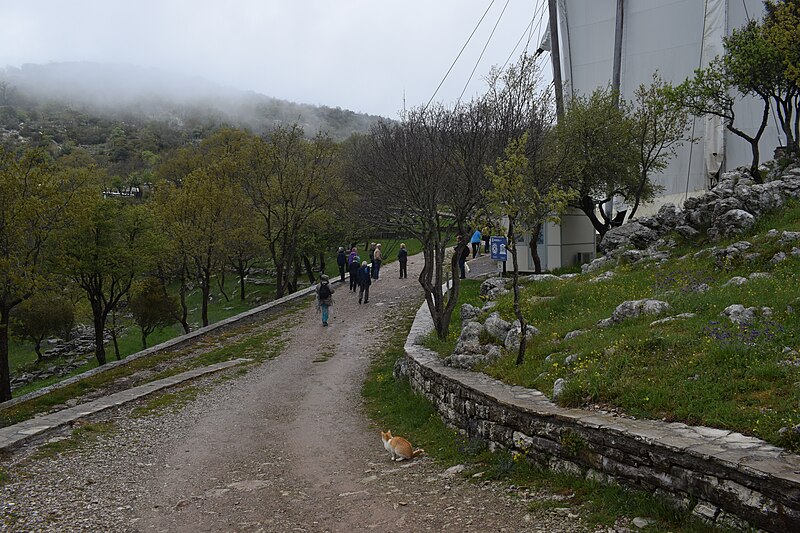
High on the slopes of Mount Kotilion at an altitude of eleven hundred and thirty-one meters in ancient Arcadia, a sanctuary imbued with mysterious grace stands above the rugged landscape. This is the Temple of Apollo Epicurius at Bassae. The name Bassae originates from an ancient Greek term meaning little vales in the rocks. Situated near the village of Skliros and south of Andritsaina, this remote mountain shrine belonged to the ancient city of Phigaleia. In antiquity, the Phigaleians climbed the mountain along the Sacred Way to offer their solemn devotions. Because of its geographic isolation from major urban polities, the temple managed to survive through long centuries of conflict and harsh weather in an extraordinary state of preservation. In nineteen eighty-six, this temple achieved the historic honor of becoming the very first site in Greece to be inscribed on the UNESCO World Heritage List. This recognition occurred a full year before the Acropolis of Athens and Delphi received the same designation. UNESCO recognized this remote sanctuary based on three clear criteria. First, it possesses exceptional artistic and architectural value by combining traditional forms with bold innovations. Second, it housed the earliest known Corinthian capital in human history, which became a foundational model for classical architecture worldwide. Third, it serves as a remarkable example of a classical mountain sanctuary integrated into a rugged landscape. When the ancient geographer Pausanias visited the site in the second century around the year one hundred and seventy-four AD, he praised the temple as second only to the Temple of Athena Alea at Tegea for the beauty of its stone and the harmony of its construction. As recorded by Pausanias, the citizens of Phigaleia constructed this sanctuary in the late fifth century BC to honor Apollo Epicurius, meaning Apollo the Helper or Averter of Evil. They offered this grand tribute in gratitude for the god saving them from a devastating plague during the trials of the Peloponnesian War. As you approach, your attention is drawn to the massive white protective canopy structure standing alone against the mountainside. Erected to shield the ancient grey Arcadian limestone ruins from severe frost, heavy rainfall, and extreme temperature fluctuations, this modern shelter safeguards a deep spiritual legacy. Step inside beneath the white fabric canopy to behold the ancient colonnade. Here, the monument harmoniously unites all three classical architectural orders, Doric, Ionic, and Corinthian. Prepare to walk along the sacred path of the ancient pilgrims as we begin our tour.
02 The North Entrance and Doric Colonnade
While nearly all classical Greek temples were constructed along an east-west axis with their main entrances facing the rising sun, the Temple of Apollo Epicurius at Bassae standing before you is aligned along a distinct north-south axis. This orientation represents a truly astonishing architectural anomaly that breaks completely with the standard conventions of ancient Greek temple design. …
03 The Inner Naos and Engaged Ionic Columns
Stepping into the naos, the central hall of the temple interior, you immediately encounter an extraordinary sight that completely revolutionized classical Greek architecture. In traditional Greek temples, internal columns were designed as freestanding posts positioned directly within the open floor space to support the timber roof. However, inside the Temple of Apollo at Bassae, the Ionic columns do not stand freely on the pavement. …
04 The Site of the First Corinthian Capital
The central floor area where you are currently standing marks the sacred birthplace of one of the most transformative innovations in architectural history. It was precisely on this spot that the earliest known Corinthian capital in human history once stood. As the third classic order of ancient Greek architecture, the Corinthian style would go on to redefine classical design across the Roman Empire and shape Western architecture for millennia. …
05 The Sculpted Frieze and Its Unfolding History
While iconic sanctuaries like the Parthenon in Athens displayed their sculptured relief friezes along the outer entablature for all passersby to view, the Temple of Apollo at Bassae featured its frieze inside the central cella. Carved from local Arcadian marble across twenty-three relief panels, this continuous sculpted frieze ran around the upper interior walls of the room. …
06 The Protective Canopy and Modern Restoration
Stepping back into the exterior area and looking upward, you realize that this twenty-five-hundred-year-old stone monument lives encased inside a high-tech white synthetic shelter. Since nineteen eighty-seven, the Temple of Apollo has been protected by this massive tent canopy structure. Positioned at a high altitude on Mount Kotilion, the temple faces severe environmental challenges, including sharp temperature fluctuations, winter frost, and driving rains that weather its Arcadian limestone. …
07 Closing
Step completely out from beneath the white canopy shelter and stand at the mountain's edge overlooking Mount Kotilion. Below you, the rugged ravines of Arcadia sweep down toward the valley, while in the distance rises the sacred peak of Mount Lycaion, revered by ancient Arcadians as the mythical birthplace of Zeus. Far below, the winding Neda River flows through the rocky gorge, carrying ancient myths of the nymphs who nurtured the king of gods. …