 Photo Wikimedia Commons
Contents
History & cultureBY TELLBY8 sections · numbered as on the map01 Orientation
Welcome to the Lalitgiri Buddhist Complex, one of the oldest, most recondite, and spiritually resonant archaeological sanctuaries in the state of Odisha, Eastern India. Nestled in timeless solitude within the Assian hill range, hemmed gracefully between the picturesque sandstone slopes of the Parabhadi and Landa hills in the Mahanga Tahsil of Cuttack district, Lalitgiri—historically and locally known as Nalitagiri—stands as an enduring monument to human faith and artistic endeavor. Situated approximately ninety kilometers from the modern state capital of Bhubaneswar and sixty kilometers from the historic city of Cuttack, this elevated haven offers a tranquil retreat where the melodic chants of monastic prayers once echoed across the valley below. Lalitgiri forms the primordial anchor of Odisha's world-renowned Buddhist Diamond Triangle, flanked by its sister monastic centers of Udayagiri, located just eight kilometers away, and Ratnagiri, situated twelve kilometers to the northeast. Among these three sacred sites, Lalitgiri holds proud distinction as the oldest and longest-surviving monastic realm, boasting an extraordinary and uninterrupted cultural sequence that spans over sixteen centuries, extending from the post-Mauryan period in the third century BC through the thirteenth century AD. Across this vast timeline, Lalitgiri nurtured generations of spiritual seekers, gracefully adapting as Buddhist philosophy evolved. Our audio walking tour will guide you step by step through this breathtaking landscape. We will begin our exploration among the majestic remains of the lower monastic quadrangles where monks resided and studied. From there, we will ascend toward the remarkable brick-built apsidal chaityagriha, a landmark discovery that represents the very first structure of its architectural style ever uncovered in Odisha. Continuing our journey upward along the Landa sandstone hillock, we will reach the prominent hilltop Mahastupa. This sacred mound gained global renown in nineteen eighty-five when archaeologists uncovered fourfold nested caskets containing authentic bone relics of Lord Buddha—a momentous discovery in Eastern India. Finally, our route leads to the Lalitgiri Site Museum, where these legendary caskets and an exquisite array of carved stone sculptures are preserved for public viewing. As you walk among these ancient sandstone ruins, surrounded by serene green hills and whispering winds of history, allow yourself to absorb the meditative atmosphere that sustained generations of monks. This walking tour takes approximately two to three hours to complete at a leisurely, contemplative pace. Take a deep breath, embrace the timeless tranquility of this sacred space, and let us begin our journey into the historic realm of Lalitgiri.
02 The Historical Pathway: Discovery and Archaeological Legacy
Welcome to the start of our historical pathway. Here at the entrance of the archaeological complex, we reflect upon the remarkable narrative of discovery, systematic excavation, and enduring spiritual faith that brought Lalitgiri out of centuries of obscurity and into global prominence. The modern story of Lalitgiri began in nineteen hundred and five, when M M Chakravarty, then serving as the Sub Divisional Officer in Jajpur, first identified ancient archaeological antiquities scattered across…
03 Monastery 1: The Grand Eastern Quadrangle
We are now standing before Monastery 1, the grandest and largest monastic quadrangle uncovered at Lalitgiri. Dated to the tenth and eleventh centuries AD, this massive complex served as the primary residential and educational hub for the resident Buddhist community during the absolute zenith of the Bhauma-Kara era. As you observe the layout, you will notice that the monastery faces east to catch the golden light of the morning sun. …
04 Monasteries 3 and 4: Monastic Living and Sanctum Treasures
We have now arrived at the site of Monasteries 3 and 4, two essential residential and devotional quadrangles that offer profound insights into the monastic lifestyle, architectural evolution, and institutional organization of Lalitgiri. Although located side by side, each monastery possesses distinct physical attributes and holds unique historical treasures. Let us first examine Monastery 3. …
05 The Brick Apsidal Chaityagriha: Ancient Architectural Marvel
Before you stands the spectacular Brick Apsidal Chaityagriha, widely recognized as one of the most architecturally significant and intriguing sacred monuments in Eastern India. A chaityagriha is a specialized Buddhist prayer hall constructed to house a stupa or holy shrine for congregational worship. Facing east to welcome the rising sun, this monumental brick hall spans thirty-three meters in length and eleven meters in width. …
06 Lalitgiri Mahastupa: The Hilltop Stupa and Holy Relics
We have now ascended the stone pathway leading up the Landa sandstone hillock to stand before the most sacred summit of Lalitgiri: the great hilltop Mahastupa. Magnificently renovated and perched proudly against the backdrop of the Assian hill range, this massive stone stupa dominates the surrounding landscape. While its restored exterior is breathtaking, it is the extraordinary secret hidden within the core of this monument for over a millennium that makes the Mahastupa world-famous. …
07 Lalitgiri Archaeological Museum: Masterpieces in Stone
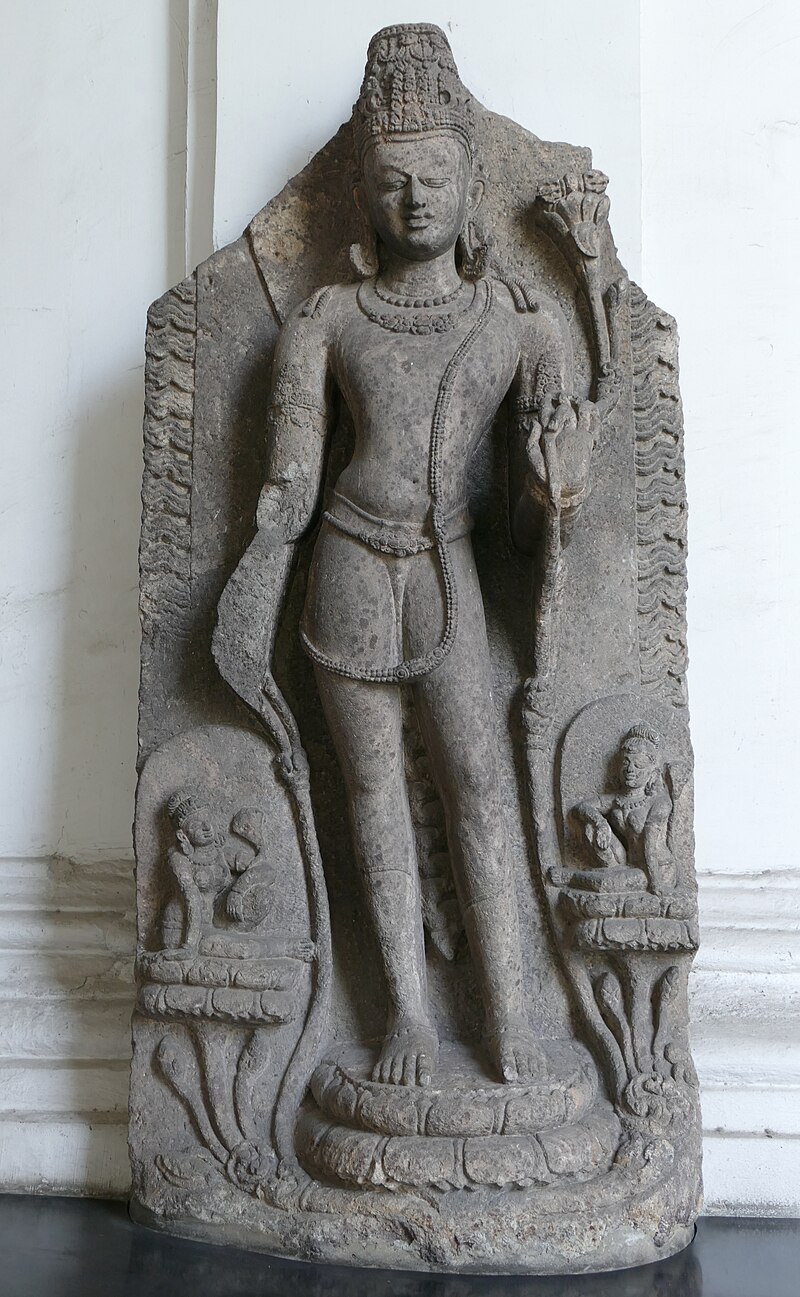
We now enter the modern Lalitgiri Archaeological Museum, the final highlight of our audio tour. Purpose-built to preserve and display the priceless artistic heritage unearthed during site excavations, this museum houses an extraordinary collection of stone sculptures representing the Mahayana and Vajrayana Tantric periods of Odishan history. As you walk into the main display galleries, you will immediately be struck by the imposing life-sized standing Buddha statues. …
08 Closing
As our audio tour comes to a gentle close, we reflect upon the peaceful moments spent exploring the sacred Lalitgiri Buddhist Complex. Walking through these ancient ruins surrounded by the serene Assian hills, you have retraced a remarkable sixteen-century spiritual legacy that spanned continuously from the third century BC through the thirteenth century AD. …