 Photo Wikimedia Commons
Contents
History & cultureBY TELLBY8 sections · numbered as on the map01 Orientation
Welcome travelers to Gir Forest National Park, situated in the southwestern region of the Saurashtra Peninsula in Gujarat, India. Located four hundred fifteen kilometers southwest of Ahmedabad and sixty five kilometers southeast of Junagadh, this extraordinary landscape stands as the absolute last remaining wild refuge for the endangered Asiatic lion. Centuries ago, these majestic big cats roamed across vast territories spanning from Palestine to eastern India. However, relentless hunting and habitat loss eliminated them from almost their entire historic range, leaving this dry deciduous forest in Gir as their ultimate sanctuary on Earth. Travelers reaching this remote haven usually journey from Ahmedabad along National Highway 8A via Bagodra, Limbdi, and Sayla, continuing on National Highway 8B through Rajkot and Gondal to Jetpur, then taking National Highway 8D through Vadal to Junagadh, before navigating the final district road through Khadia and Mendarda to Sasan Gir. Nearby transport hubs include Keshod Airport, Rajkot Airport located one hundred sixty kilometers away, and Ahmedabad Airport four hundred fifteen kilometers distant, while daily trains such as the Jabalpur Express Intercity and Somnath Express connect Ahmedabad directly to Junagadh Railway Station. Regular Volvo and state transport buses also run frequently between Junagadh, Sasan Gir, and Veraval.
The total protected ecosystem covers an expansive area of one thousand four hundred twenty one square kilometers, accompanied by an additional buffer zone of five hundred square kilometers. Within this sanctuary complex, two hundred fifty eight point seven one square kilometers are strictly designated as a national park, while one thousand one hundred fifty one point five nine square kilometers function as a wildlife sanctuary. Officially declared a lion sanctuary in 1965 and elevated to national park status in 1974, this preserve is meticulously managed by the Gujarat State Forest Department.
Before we begin our safari exploration, let us review essential visitor guidelines here at Sasan Gir. All administrative procedures, permit verifications, and safari bookings are processed at the official reception desk inside the Sinh Sadan Guest House, located within the Forest Department Complex near the main entry gate. Please ensure all official entry permits are secured before entering the forest. Note that the national park closes every year from June 16 to October 15 during the monsoon season for animal breeding and safety. The official visiting season runs from October 16 through June 15.
The ideal period to visit is from late November to early March, when temperatures drop to a pleasant ten degrees Celsius. Summer months like April and May bring intense heat reaching forty three degrees Celsius, yet offer exceptional wildlife viewing as animals gather around remaining water holes. Entry fees for six visitors range from eight hundred to one thousand rupees for Indians, and four thousand eight hundred to six thousand rupees for foreign travelers. Vehicle entry fees for Indians are one thousand three hundred rupees, while official guide fees are two hundred fifty rupees for the first four hours and twenty rupees for each additional hour. Still camera fees are two hundred rupees for Indians and one thousand two hundred rupees for foreign guests.
Inside the sanctuary, strict conservation rules must be observed at all times. Visitors must remain accompanied by an official forest guide or guard and stay entirely inside vehicles. Do not feed or disturb wildlife, avoid loud speech, and maintain quiet respect for nature. Prepare now as we approach the main safari boarding point to step into the domain of the Asiatic lion.
02 Sasan Main Gate and Jeep Safari Boarding
We stand at the Sasan Main Gate, the primary entry point and official embarkation hub for all wilderness safari expeditions into Gir Forest National Park. This bustling arrival zone welcomes nature lovers from around the world, all gathering with the shared dream of encountering the magnificent Asiatic lion in its last remaining natural home. Open top safari jeeps are lined up for boarding near the gate. …
03 Dry Deciduous Teak Forest and Hiran River Bank
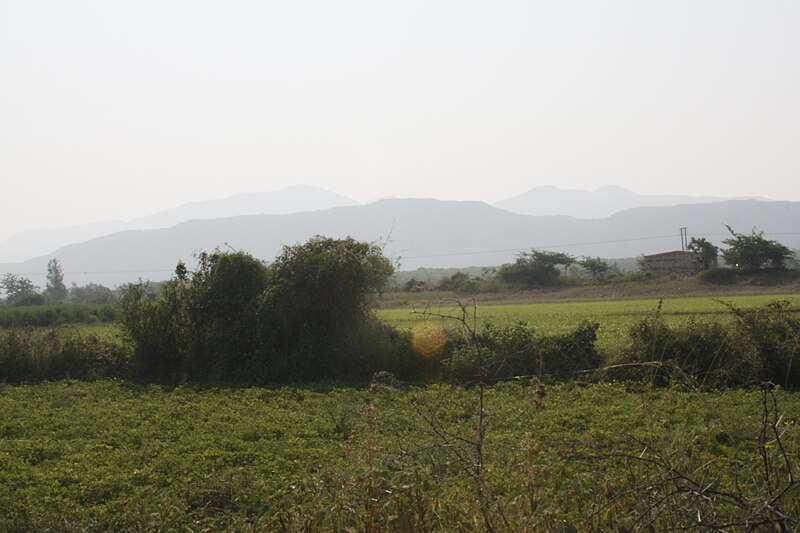
As our safari jeep ventures deeper into the sanctuary, we enter a landscape defined by rolling hills, forested valleys, and the dry scent of teak vegetation. Gir Forest is celebrated as the largest continuous tract of dry deciduous forest in western India. According to standard forest classification established by Champion and Sheth in 1964, the forest is categorized under the code 5A C 1a as very dry teak forest, belonging to the Kathiar Gir dry deciduous forest ecoregion. …
04 Devalia Interpretation Zone
We have arrived at the Devalia Interpretation Zone, located approximately eleven kilometers from the Sasan entry gate along the Sasan Malia Road within the official sanctuary boundaries. Encompassing a four hundred twelve hectare area protected by a sturdy chain linked fence, this specialized zone represents a major ecological management initiative introduced by the forest department. …
05 Kamleshwar Dam and Mugger Crocodile Habitat
Traveling ten kilometers into the reserve from the main gate brings us to Kamleshwar Dam, the hydrological heart and visual highlight of Gir National Park. Constructed across the perennial Hiran River, Kamleshwar Dam forms the largest of four major reservoirs located within the protected forest, alongside dams built on the Machhundri, Raval, and Shingoda rivers. …
06 Maldhari Settlement Ness and Ecological Coexistence
Traveling deeper into the forest brings us to a settlement filled with the earth aromas of woodsmoke and cattle. This is a Ness, the traditional hamlet of the indigenous Maldhari pastoralists who have inhabited Gir Forest for generations. The name Maldhari translates literally to owner of livestock in the Gujarati language. Long before modern conservation boundaries were enacted, these traditional graziers lived within these dry deciduous forests as an integral element of the natural ecosystem. …
07 Savannah Grassland Vidi and Birdwatching Deck
Emerging from dense forest canopy into open terrain, we enter expansive savannah grasslands known locally as vidis. Interspersed with open scrubland, these vidis form a crucial ecological mosaic within Gir National Park. Rolling golden grasses and thorn bushes evoke the atmosphere of an African savannah, creating grazing grounds for large herbivore herds while offering clear sightlines for prowling lions and leopards. …
08 Closing
We have reached the conclusion of our audio tour at Gir Forest National Park. Looking out across this vast expanse of dry deciduous forest, we reflect upon one of the greatest wildlife conservation victories in history, the resurrection of the Asiatic lion from the brink of extinction. By the late nineteenth century, excessive sport hunting and severe famines between 1901 and 1905 had reduced lion numbers drastically. …