 Photo Wikimedia Commons
Contents
History & cultureBY TELLBY8 sections · numbered as on the map01 Orientation
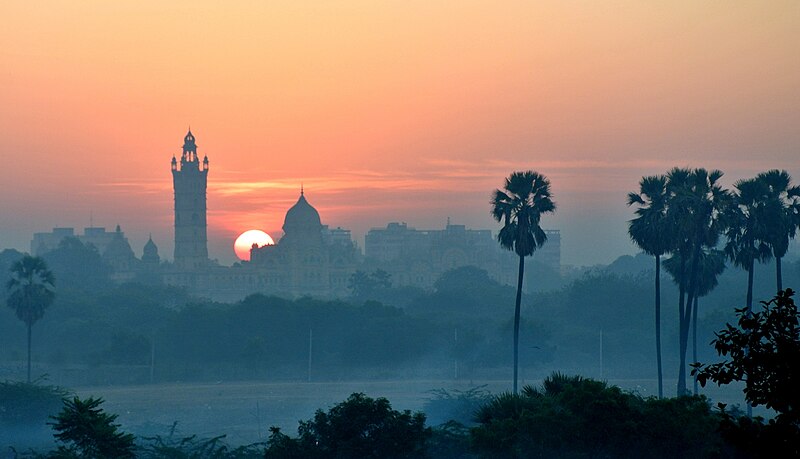
Welcome to Laxmi Vilas Palace, one of the most magnificent and historically significant royal residences in Vadodara, India. You are standing within a monumental estate that serves as the living symbol of the Gaekwad dynasty, the Maratha rulers of the Baroda state. Commissioned in 1878 and completed in 1890, this extraordinary palace complex spans an incredible five hundred acres. It is widely recognized as the largest private residence in the world, famously known to be four times the size of Buckingham Palace in London. Before this grand palace was built, the area housed an administrative government building known as Sarkar Wada, while the Gaekwad royal family resided in the Maharaja Palace and the Nazarbaug Palace. The creation of this architectural marvel was spearheaded by Maharaja Sayajirao Gaekwad III, a vision-driven reformist ruler who made pioneering contributions to public education, social welfare, women rights, and regional infrastructure development. To build a residence worthy of Baroda, materials were brought in from the far regions of Baroda, and the finest skilled workers were imported from abroad. The palace was named in loving honor of his first wife, Maharani Lakshmibai. Architecturally, the building is a paramount example of the Indo-Saracenic Revival style, masterfully synthesizing Hindu, Indo-Islamic, and British Renaissance Revival elements. Beyond its grand visual aesthetic, the palace was a true pioneer in adopting technological advancements during the late nineteenth century. It was equipped with highly modern amenities for its era, including an early electrical grid powered by its own private generator, a dedicated telephone exchange, and one of the very first residential elevators installed anywhere in the world. The interior sophistication and advanced technical features closely mirrored those of the finest European country manors of the era. Across the vast five hundred acre grounds, the palace complex incorporates several distinct historical institutions, including the Motibaug Palace, a grand Banquet Hall, the Maharaja Fateh Singh Museum, the Moti Bagh Cricket Grounds, and the Gaekwad Baroda Golf Club. In earlier times, the estate even featured a private zoo and a miniature railway line designed to ferry the royal children around the grounds. As you begin this audio tour, you will discover how this living monument seamlessly bridges pre-independence history with the modern era, preserving an authentic legacy of royal grandeur, cultural patronship, and technological innovation. Please take a moment to admire the sweeping views of the estate before we proceed along our guided path to explore the remarkable exterior features of this palace.
02 Palace Facade and the Clock Tower
Welcome to the primary viewing spot facing the grand facade and the imposing clock tower of Laxmi Vilas Palace. Standing before the front of the structure, you can appreciate the sheer scale of this architectural masterpiece, which spans an impressive width of five hundred feet. The grand main entrance situated on Rajmahal Road has historically been reserved exclusively for the royal family of the Gaekwads, adding to the estate's noble prestige. …
03 Grand Staircase and Daylight Corridors
You have now entered the interior heart of the palace, featuring the Grand Staircase and the expansive Daylight Corridors. As you step into this breathtaking area, take a moment to admire the sweeping staircase adorned with beautifully crafted marble railings and the long, elegant hallways that branch off into the royal residential quarters. The interior layout of Laxmi Vilas Palace was planned with extraordinary architectural precision to naturally manage Vadodara's intense tropical climate. …
04 The Magnificent Durbar Hall
You are now standing in the magnificent Durbar Hall, the undeniable crown jewel of Laxmi Vilas Palace's interior design. Spanning an astonishing area of nearly five thousand square feet, this colossal hall served as the official throne room and state reception hall for the Gaekwad rulers. It was within this grand space that the royal family hosted foreign dignitaries, held memorable music and dance performances, and served extravagant state dinners. …
05 Shastraghar Royal Armory
We now arrive at Shastraghar, the Royal Armory of Laxmi Vilas Palace, a historic space dedicated to preserving the martial heritage, warrior spirit, and military power of the Gaekwad dynasty. As you walk into this secure and solemn hall, you are greeted by an extraordinary array of historic weaponry displayed within massive glass cases. This hall houses the private military collection of the royal family as well as weapons used by the frontline soldiers of the Baroda state army. …
06 Maharaja Fatehsinhrao Museum and Raja Ravi Varma Art
Welcome to the Maharaja Fatehsinghrao Museum, located within the idyllic grounds of the palace complex. This elegant building was originally constructed as a private school dedicated to the comprehensive education of the Gaekwad royal children. Over time, as educational needs evolved, this historic school facility was thoughtfully converted into a world-class art gallery to showcase the extraordinary private art collection gathered by generations of the Gaekwad dynasty. …
07 Moti Baug Gardens and the Ancient Banyan Tree
Stepping outside the palace walls, you now enter the breathtaking expanse of the Moti Baug Gardens and its surrounding historic grounds. The landscaping of this vast estate was commissioned to William Goldring, a renowned specialist landscaper from the Royal Botanic Gardens at Kew in England. Goldring designed the sweeping lawns, winding paths, and botanical arrangements to complement the grand Indo-Saracenic architecture of the main palace structure. …
08 Closing
Thank you very much for joining us on this audio guide tour of the extraordinary Laxmi Vilas Palace in Vadodara. Throughout our journey today, we have explored the towering Indo-Saracenic facade crafted from Songadh golden stone, walked through the light-filled corridors, marvelled at the breathtaking Durbar Hall with its Venetian mosaics and Belgian stained glass, examined the martial history in the Shastraghar armory, appreciated the immortal oil paintings of Raja Ravi Varma in the Maharaja…