 Photo Wikimedia Commons
Contents
History & cultureBY TELLBY1 sections · numbered as on the map01 Grim Quarantine Fortress at Fort des Têtes
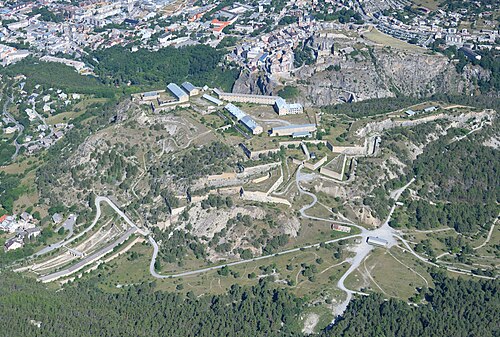
Here at Fort des Têtes, high above Briançon, humor dies and iron discipline takes its place. This grim Vauban fortress—perched on alpine cliffs—was the filming location for the heartbreaking quarantine camp scenes in our film. In 1832, the French military transformed places like this into prison camps, penning up travelers suspected of carrying cholera behind thick granite ramparts. I remember looking out from these cold stone battlements, watching desperate families trapped inside, surrounded by bayonets and burning trenches of lime. The air smelled of smoke, fear, and dying hopes. Even a hardened hussar officer who has seen battlefields feels a knot in his chest at such systematic human misery. Pauline and I were held in just such a military quarantine, treated not as nobility or human beings, but as disease vectors to be contained. It was here that our resolve was tested to the absolute breaking point. Breaking out of a Vauban fortress guarded by armed infantry is normally madness, but when staying means rotting in a plague pit, madness becomes your only logical choice. Fort des Têtes stands as a stark reminder of how thin the line is between military order and cruelty.