Contents
History & cultureBY TELLBY8 sections · numbered as on the map01 Orientation
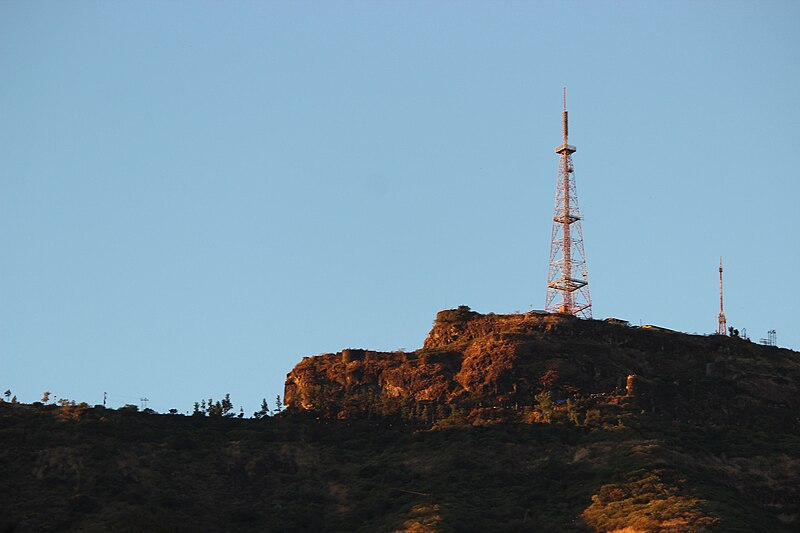
Welcome to Sinhagad Fort, a majestic sentinel standing high upon the Sahyadri Mountains and a timeless monument to Maharashtra's glorious heritage and enduring spirit. Located approximately 35 kilometers southwest of Pune, which corresponds to roughly 11 to 12 miles, this formidable fortress is perched at an impressive elevation of 1,312 meters above sea level, commanding breathtaking views of the surrounding rugged landscape. Originally known as Kondhana, this ancient stronghold boasts a continuous history spanning more than 2,000 years. Over the millennia, various powerful dynasties held sway over these strategic heights, each leaving their distinctive architectural and military imprint upon its stony crest. However, the most famous chapter in its long history unfolded in the year 1670. Following the Treaty of Purandar in 1665, in which Chhatrapati Shivaji Maharaj was compelled to cede Kondhana along with numerous other vital strongholds to the Mughal Empire, a daring mission was conceived to reclaim this crucial bastion. Beyond its deep historical significance, Sinhagad is celebrated for its breathtaking natural beauty, offering vastly different yet equally captivating experiences throughout the changing seasons. During the monsoon months from June to September, the surrounding Sahyadri hills transform into a lush green paradise, with waterfalls cascading down the steep slopes and soft mountain mist shrouding the summit paths in an atmosphere of pure wonder. As the heavy rain subsides, the winter season from October to February brings pleasantly cool weather and crystal clear skies, providing ideal conditions for exploring the ancient ruins and taking in sweeping panoramic views of the vast valleys far below. Even during the warmer summer months from March to May, visiting early in the morning or late in the afternoon rewards travelers with unforgettable sunrises and sunsets that illuminate the black rock fortifications in golden light. Standing here amidst the fresh mountain breeze, surrounded by rugged cliffs and massive stone ramparts, one can truly feel the immense weight of history that saturates this soil. Whether you are drawn by the thrilling military exploits of the past or the sheer splendor of the landscape, Sinhagad promises an inspiring journey. Now, let us step forward together to explore the historic gates, ancient water systems, and enduring monuments of this extraordinary mountain citadel.
02 Pune Darwaza, the Main Entrance Facing Pune
You are now standing directly before the magnificent Pune Darwaza, the primary main entrance of Sinhagad Fort that opens facing north toward the historic city of Pune. Designed as an unyielding military stronghold, Sinhagad features two principal gateways that provided access to this mountain plateau: the Pune Darwaza, which faces north toward Pune, and the Kalyan Darwaza, which opens toward the southwest leading down to the Konkan coastal region. …
03 Memorial of the Brave Warrior Tanaji Malusare
We have now arrived at the summit of the fortress, standing directly before the memorial monument and bust dedicated to Tanaji Malusare. This sacred site commemorates the fearless Maratha commander who led a dramatic night attack on February 4, 1670, sacrificing his life to recapture this vital citadel. At that time, the fortress was held for Mughal Emperor Aurangzeb by a Rajput commander named Udaybhan Rathore. …
04 Ancient Water Tanks and Rainwater Harvesting System
We are now standing at the ancient water tank and reservoir system of Sinhagad Fort, an extraordinary testament to hydraulic engineering perched high upon a mountain plateau. Situated at an elevation of 1,312 meters above sea level, securing a reliable and continuous supply of fresh water was the single most vital requirement for the survival of the fort's inhabitants and military garrison. …
05 Ruins of Military Barracks and Cavalry Lines
You are now walking among the stone ruins of the military barracks and thatched cavalry lines, where the infantry soldiers and horses of the fort garrison once resided. In its operational heyday, Sinhagad housed extensive barracks, supply storehouses, and thatched residential quarters designed to accommodate hundreds of soldiers and cavalry mounts. …
06 Lokmanya Tilak's Bungalow and Historic Structures
We are now standing near Lokmanya Tilak's Bungalow, a historic structure that highlights Sinhagad's enduring importance during the modern era. While Sinhagad is world-famous for its 17th-century military clashes, it also served as a vital intellectual sanctuary during India's freedom movement in the late 19th and early 20th centuries. Following a British siege in March 1818, the fort was captured by East India Company forces, marking the end of its active role as a Maratha military bastion. …
07 Kalyan Darwaza and the Precipitous Southwest Slope
We are now standing near the Kalyan Darwaza, the western entrance of Sinhagad Fort that faces southwest toward the coastal Konkan region. Flanking this historical gateway is a breathtakingly steep precipice, a sheer wall of dark basalt rock dropping dramatically into a deep gorge far below. As you step near the edge of the parapet and look down into the chasm, the terrifying verticality of the terrain becomes immediately clear. …
08 Closing
Thank you for taking this memorable audio guide tour through Sinhagad Fort, where the immortal spirit of courage and history lives on amidst the Sahyadri Mountains. Perched at an elevation of 1,312 meters, this ancient citadel has shared with us a rich tapestry of over 2,000 years of history, highlighted by the unforgettable bravery of Tanaji Malusare during the epic battle of 1670. …