Contents
History & cultureBY TELLBY7 sections · numbered as on the map01 Orientation
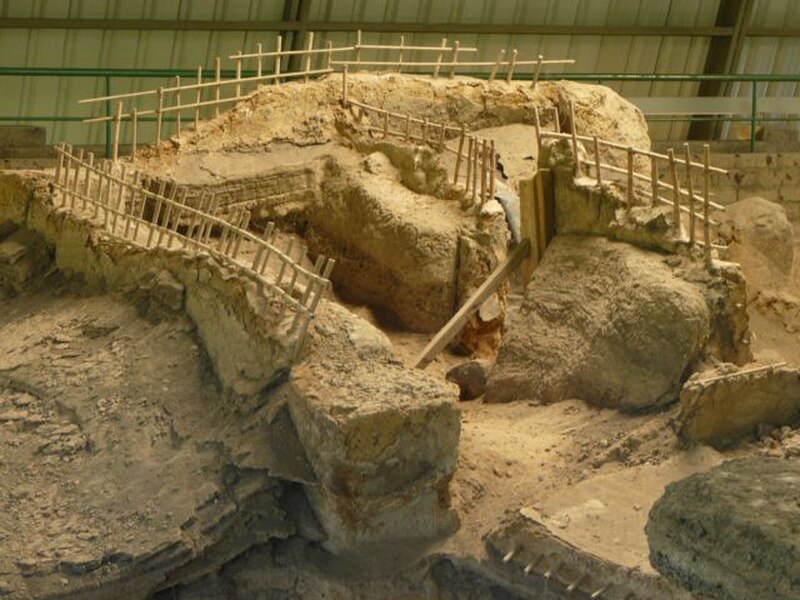
Welcome to the Joya de Cerén Archaeological Site, located in the fertile Zapotitán Valley of El Salvador. As you stand at the entrance of this extraordinary destination, you are about to step into the world's most complete window into how ordinary ancient Maya farmers lived, preserved instantly under metres of volcanic ash like a moment frozen in time. Unlike the grand stone pyramids and royal palaces found across Mesoamerica, Joya de Cerén offers an intimate, unfiltered look at the daily routines, domestic spaces, and agricultural practices of common folk who worked the land. Recognizing this unparalleled scientific value, UNESCO inscribed the site on the World Heritage List. Centuries before this village existed, the surrounding Zapotitán Valley was devastated by the massive eruption of the Ilopango volcano, which buried the region under thick white ash deposits known as Tierra Blanca Joven and rendered the landscape completely uninhabitable for generations. As centuries passed, weather and natural processes transformed that barren ash into exceptionally fertile soil, attracting pioneer agriculturalists who returned to colonize the valley and build the thriving farming village of Joya de Cerén. However, the tragic story of this newly established village was sealed in a moment of sudden geological drama around six hundred AD. Just six hundred meters from the village center, the Loma Caldera volcano erupted violently without warning. A rapid deluge of fine volcanic ash and coarse cinders rained down upon the community, forming fourteen distinct layers of dense pyroclastic debris over several hours. This thick thermal blanket encased the earthen structures, thatch roofs, agricultural fields, and household tools, protecting organic materials that would normally decay in a humid tropical environment. Yet, in this immense natural disaster, no human skeletons were found inside the village. Before the main blast, a sharp earthquake shook the ground, accompanied by steamy volcanic emissions. Recognizing these urgent natural warnings, the residents dropped what they were doing and escaped to safety, leaving their homes intact. For more than thirteen centuries, this buried village remained completely unknown beneath the earth. Its rediscovery occurred unexpectedly in nineteen seventy-six when a government tractor operator was leveling a low hill to construct official grain storage silos. The bulldozer blade struck a solid clay structure, exposing ancient earthen walls and prompting immediate archaeological investigations led by Professor Payson Sheets. Since then, careful excavations have revealed a vibrant community preserved in astonishing detail. As you begin your tour along the designated footpaths, you will observe living quarters, storehouses, kitchens, and ceremonial structures exactly as they were left on that fateful evening. Please follow the pathway ahead as we walk toward our first stop, where we will examine the ancient residential quarters of Household One.
02 Structure 1: Household Domicile
Remarkably, despite being rural commoners who spent their lives tilling the volcanic soil, each household in this ancient village possessed around seventy ceramic vessels, many painted with intricate glyphs, decorative symbols, and vibrant polychrome designs. In traditional Classic Maya archaeology, decorated pottery, finely crafted obsidian blades, chert lithics, and precious jade ornaments were long assumed to be exclusive luxuries reserved for elite rulers in great urban centers like Copán. …
03 Structure 11: Household Kitchen
The most striking evidence revealing the sheer panic and suddenness of the volcanic eruption was the discovery of unwashed ceramic bowls containing the remains of an unfinished evening meal. In tropical Mesoamerica, washing dishes immediately after eating was a vital daily habit to prevent hungry insects, rodents, and wild animals from invading living spaces. …
04 Structure 6: Household Storehouse
Inside this exact storehouse building, volcanic ash preserved astonishing paleozoological evidence that paints a vivid picture of the disaster, including the delicate skeletons of tiny field mice hiding in the roof thatch and a domestic duck tied securely by its foot. As the Loma Caldera eruption began in the early evening, field mice had crept up into the organic thatch roof to feed on stored grains and seeds. …
05 Structure 9: Communal Sweat Bath
The most extraordinary fact concerning Structure Nine is that this humble rural village possessed a fully enclosed steam sauna engineered with thick rammed earth walls and a complete mud dome roof. In Classic Maya archaeology, domed steam baths, known as temazcals, were almost exclusively associated with royal palace compounds and elite ceremonial centers in giant cities. …
06 Structure 12: Diviner’s House
Inside a tiny wall niche in this building, archaeologists discovered a female shaman's complete supernatural toolkit intact, providing an unparalleled glimpse into ancient Maya spiritual practices. In Mesoamerican archaeology, religious rituals and divinatory roles were frequently assumed to be the exclusive domain of male priests in central temples. However, at Joya de Cerén, a female diviner served as a primary spiritual authority for the entire rural community. …
07 Closing
As our audio tour concludes, take a moment to reflect upon the profound connection between past and present here in the Zapotitán Valley. Less than one kilometer from these excavated structures lies the modern village of Joya de Cerén. Today, contemporary Salvadoran farmers cultivate the exact same fertile volcanic soils using agricultural methods nearly identical to those practiced by their ancient Maya ancestors fourteen centuries ago. …