Contents
History & cultureBY TELLBY7 sections · numbered as on the map01 Orientation
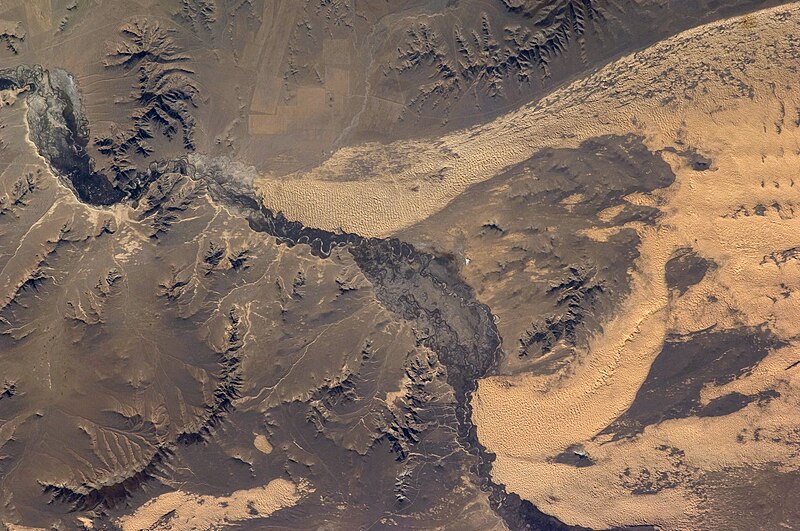
Welcome to the Altan Els Special Protected Area, a breathtaking sanctuary where sweeping golden sand dunes meet the open skies of northwestern Mongolia. As you stand here at the entrance, you are gazing upon a land of immense ecological importance located within the vast Great Lakes Depression. In two thousand three, this extraordinary landscape was officially inscribed as part of the Uvs Nuur Basin UNESCO World Heritage Site. This prestigious designation highlights the region as one of the most intact natural sanctuaries on Earth, where the dry deserts of Central Asia seamlessly converge with the dense coniferous taiga forests of Siberia. Altan Els represents a vital core zone within this world heritage network, preserving a rare transitional ecosystem where high mountain peaks, arid sand ridges, and low basin plains lie side by side in perfect balance. As you prepare to explore this remarkable terrain, allow yourself to tune into the subtle rhythms of the surrounding wilderness. The air here carries the distinct cool breeze of the mountain steppes, mingled with the dry warmth of the desert sands. Along your path today, you will discover how delicate plants and rare animals survive in an environment defined by extreme continental climate swings. This audio guide is designed to walk beside you, providing clear directions and pointing out visual features as you move along the walking path. Take a moment to adjust your posture, take a deep breath, and look around at the vast horizon framed by distant mountain chains. Notice the silent expanse stretching before you, where natural forces have remained largely undisturbed by modern industrial development. The shifting sands beneath your feet are not merely a scenic backdrop, but a dynamic, living geological formation shaped by thousands of years of wind currents and river deposits. In this unique landscape, every landform tells a story of ecological resilience and long-term evolutionary balance. As you walk forward, please remain on the designated footpaths to protect the fragile desert vegetation and delicate soil crusts that hold this ecosystem together. Walking thoughtfully ensures that future generations and wild inhabitants can continue to thrive in this untouched sanctuary. Each step along this trail will reveal a new chapter in the story of human coexistence, wildlife adaptation, and community conservation. Take a slow, steady step forward, and let us begin our journey together into the golden sands of Altan Els toward our first observation point just up ahead.
02 The Vast Dunes of Altan Els
The most astonishing natural fact about this landscape is that the wide basin surrounding Altan Els is governed by extreme climate conditions where freezing winter temperatures co-exist with intense summer sunlight and evaporation. Within this single protected depression, arid sand deserts, sweeping grassy steppes, snow-capped alpine peaks, and frozen glaciers exist side by side, creating a rare climatic contrast found in very few places across the globe. …
03 Where Desert Meets Taiga Steppe
A deeply impressive environmental fact about Mongolia is that urban and industrial developments occupy less than one percent of the entire national territory. Because the vast majority of the landscape has been spared from heavy industrial expansion, the unique ecoregion around Altan Els has preserved its pristine transitional character, where the southern fringe of the Great Siberian taiga forest meets the arid expanses of the Central Asian desert and steppe. …
04 Refuge of the Endangered Saiga Antelope
The most inspiring wildlife recovery story of this region belongs to the endangered Mongolian saiga antelope, whose global population plummeted to approximately eight hundred animals around two thousand one. Threatened by severe winter natural disasters, loss of grazing lands, and illegal poaching, this uniquely adapted steppe antelope hovered on the very brink of extinction before a unified community conservation effort brought it back to safety. …
05 Lifeline of the Great Lakes Depression
The most remarkable hydrological fact about this dry land is that beneath these parched desert soils lies an invisible network of sub-surface groundwater that seeps upward to feed fragile oasis springs. Even in an atmosphere dominated by intense solar heat and high evaporation rates, this hidden water supply feeds moist depressions and surface springs, creating a vital oasis that sustains both nomadic herder families and wild animals. …
06 Coexistence of Herders and Nature
An inspiring community highlight of this landscape is that local herder families have organized into seventeen distinct community groups, voluntarily setting aside thirteen dedicated reserve pastures across key habitats. These reserve pastures are strictly managed by local herder agreements, remaining completely ungrazed during normal seasons so that wild species like the saiga antelope can forage without disruption, while herders reserve access only for extreme climate emergencies such as…
07 Closing
As we stand together at this final viewing platform looking out over the golden expanse of Altan Els, our audio guide journey through the heart of the Uvs Nuur Basin World Heritage site comes to a memorable conclusion. From this vantage point, the vast beauty of the landscape unfolds before us in all its silent grandeur. We have walked along a rare ecoregion where the dense coniferous taiga forests of Siberia harmoniously meet the sweeping, dry deserts of Central Asia. …