Contents
History & cultureBY TELLBY1 sections · numbered as on the map01 Circeo National Park: Sorcery, Dunes, and Screen Terror
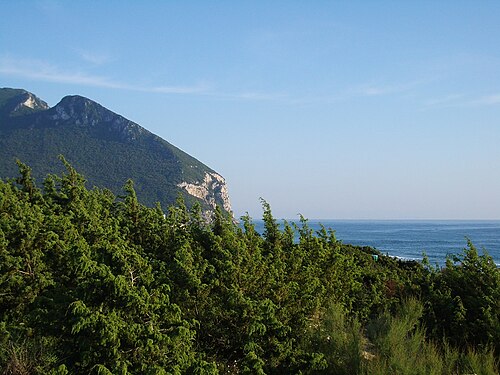
Ancient sorceresses turning unsuspecting sailors into swine sounds like a charming bedtime myth until you've watched a real island curse turn living flesh into rotting appetite. Welcome to Circeo National Park, established in 1934 along the Tyrrhenian coast of Lazio, Italy, to preserve one of the Mediterranean's most biologically diverse coastal ecosystems. Stretching over 20,000 acres of protected dunes, coastal lagoons, and dense oak forests, this park is dominated by the majestic limestone promontory of Mount Circeo, famously linked to the sorceress Circe in Homer's Odyssey. It's no coincidence that visionary Italian horror filmmakers chose these wild dunes and secluded coastal villas as the backdrop for terrifying tales of reanimated corpses and tropical decay. As you walk these tranquil pine trails, enjoy the sea breeze, but keep your wits about you—behind any picturesque dune, ancient myths and cinematic nightmares have a habit of walking back into the light. The line between myth and reality dissolves quickly when dusk falls over the coast, leaving you alone with the whispers of the ancient dead.