Contents
History & cultureBY TELLBY7 sections · numbered as on the map01 Orientation
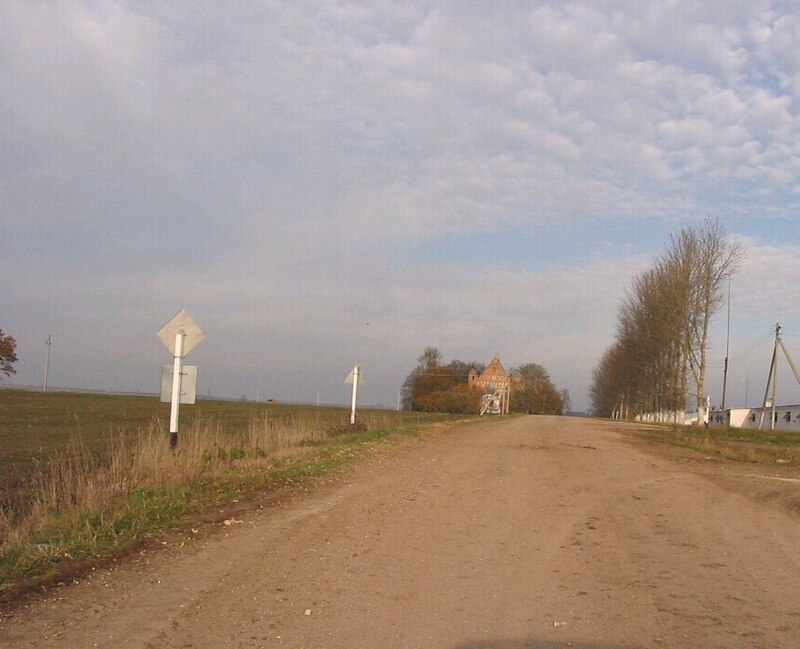
Standing proudly in the tranquil countryside, this formidable red brick sanctuary is a rare surviving fourteenth century fortress church that seamlessly unites spiritual devotion with heavy military defense, earning its rightful place on the UNESCO World Heritage tentative list. Functioning as both a sacred house of prayer and an impenetrable castle of refuge, this monumental edifice blends Belarusian Gothic architecture with Romanesque and Renaissance design elements, maintaining its majestic appearance across centuries. As you stand on the peaceful lawn facing the northern entrance landscape on the outskirts of Synkavičy village, allow your eyes to absorb the commanding red brick structure that looms before you like a medieval citadel. Nestled within the Zelva District, this secluded monument imparts a profound sense of stillness and historical solemnity upon all who arrive. Walking slowly along the grassy pathway reveals that this sanctuary was far more than a house of worship, serving as a meticulously engineered defensive stronghold designed to protect the local community from hostile invasions. Its colossal brick walls, reaching an impressive thickness of one and a half meters, were built to withstand fierce bombardment, while corner towers rising at strategic points showcase its undeniable castle design. During the turbulent Middle Ages, when sieges and armed conflict threatened the region, local residents sought shelter behind these formidable walls to pray for divine protection and defend their lives. Every weathered brick bears the quiet echoes of ancient prayers and historical endurance, imbued with the rich aesthetic tradition of ancient cult architecture. Alongside the Church of the Nativity of the Blessed Virgin in Murovanka and Saint John the Baptist in Kamai, this structure represents one of the very few surviving fortified churches in Belarus. A similar architectural ethos was also embraced across the Grand Duchy of Lithuania, seen in the Bernardine Church in Vilnius. Researchers and historians have spent decades studying this monument to uncover the exact chronology of its founding, yet it continues to hold fascinating mysteries beneath its ancient surfaces. Active to this day with regular Orthodox services on Sundays and religious feasts, this sacred site remains protected on the state list of historical and cultural values. Every arrowslit and brick contour reflects the living history of a bygone era. Let us now step closer across the open lawn toward the looming belfry and facade, embarking on an unforgettable journey through the remarkable history of this sacred fortress.
02 The Independent Bell Tower & Chimes
On the Feast of the Annunciation in two thousand five, five specially cast bells chimed for the very first time from this restored bell tower, shattering decades of deep silence that had hung over the sanctuary grounds since the Soviet era. Look at the two-tiered stone bell tower standing directly in front of you. This free-standing tetrahedral structure, crowned with a distinctive hipped roof, stands as an imposing gatekeeper before the western facade of the main fortress church. …
03 The Western Facade & Corner Defense Towers
Recent archaeological research examining ancient graffiti dated to the thirteen twenties suggests that this massive castle-like stronghold originally functioned as a medieval defensive fortress before being transformed into a sacred church. Look up at the octagonal towers rising on both sides and the formidable brick facade. …
04 The Narthex & Plastered Facade Niches
During medieval times, the bright whitewashed plaster niches set deeply into dark red brickwork created a dramatic visual signal visible across miles of surrounding dense forest. Observe the recessed arched niches set into the gable directly above the entrance. These varied plaster compartments embellish the upper gable with a striking color contrast, combining Romanesque arched arcades with Gothic vertical lines. …
05 The Three Naves & Acoustic Resonators
Secret clay resonator pots built directly inside these brick walls allow a single whispered prayer to echo clearly across every corner of the church. Look at the four octagonal pillars standing in the center and the groin vaults above. These four robust octagonal columns divide the internal hall into three distinct naves of nearly equal width, supporting soaring groin vaults embellished with delicate Gothic rib patterns. …
06 The Eastern Apses & Miraculous Icon
During interior wall restoration in twenty twelve, restorers peeling back heavy layers of oil paint made the astonishing discovery of hidden sixteenth-century inscriptions in ancient Greek and Latin carved directly into the inner wall plaster. Look towards the Mother of God icon enshrined in the central eastern apse. Positioned prominently at the heart of the sanctuary, this sacred icon, known as the Queen of All, serves as the primary spiritual centerpiece of Synkavičy. …
07 Closing
As you step back into the courtyard and gaze up at Saint Michael Church, this steadfast red brick sanctuary stands as a living testament to spiritual endurance and historical resurrection. Throughout its long existence, the fortress church survived medieval sieges, foreign invasions, and complex religious transitions between Orthodox and Uniate parishes. Its most painful trial arrived in nineteen fifty-nine during the Soviet era, when the government forcibly closed the sanctuary to worshippers. …