Contents
History & cultureBY TELLBY1 sections · numbered as on the map01 Chimalhuacán: Cantera Stone, Salt Flats, and Painted Promises
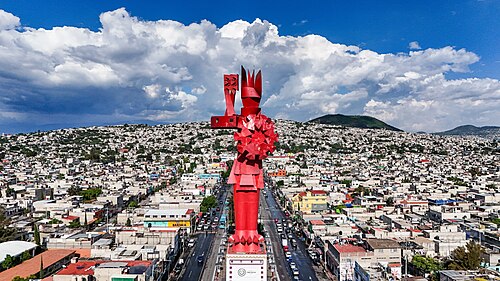
If you want to understand how a city carves survival out of stone, look at Chimalhuacán. Resting on the ancient bed of Lake Texcoco, this land was famous for centuries for master stonecutters, the canteros, whose chisels shaped the volcanic pink stone adorning Mexico City's palaces. But in the 1970s, as rural families poured into these saline flats, art gave way to raw necessity. Gray cinderblock houses sprouted across salt-crusted soil, without water lines or paved roads. And what did politicians do? They sent trucks of cheap paint, slathering slogans like Echeverría '70 across bare mud walls, promising progress while leaving people in dust. It always amused me how men in suits thought a painted slogan could replace clean drinking water! Yet, there is something profoundly noble here. The domestic workers who swept my floors in Roma and the laborers who built our city came from communities like this. They possessed a grit stronger than carved stone. Today, the giant Guerrero Chimalli statue towers over the skyline, a symbol of resilience. While politicians paint empty words that wash away in rain, the hands of Chimalhuacán built a lasting life out of salt and dust.