Contents
History & cultureBY TELLBY8 sections · numbered as on the map01 Orientation
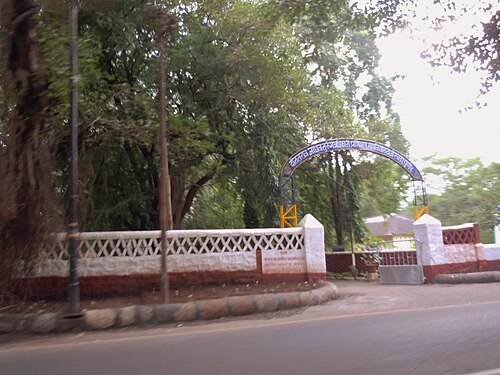
Welcome to the Aga Khan Palace, situated in the serene surroundings of Yerwada in Pune, Maharashtra. As you stand here at the main entrance plaza facing this majestic nineteen acre complex, you are embarking on a journey through a place of extraordinary historic and human significance. This sprawling sanctuary, framed by lush manicured lawns and vibrant green gardens, is much more than an architectural masterpiece. It stands as a profound testament to selfless philanthropy, human compassion, and India’s historic struggle for national independence against British colonial rule. To walk through these gates is to step onto ground that bridges royal benevolence and revolutionary sacrifice.
The origins of this grand palace trace back to the year eighteen ninety-two, during a period of catastrophic drought and severe famine that devastated the surrounding region. Thousands of local villagers were plunged into dire poverty, struggling daily for basic survival. Moved by their immense suffering, Sultan Muhammed Shah Aga Khan the Third, the revered spiritual leader of the Nizari Ismaili Muslims and a noted philanthropist, conceived the construction of this palace as an act of pure charity. Rather than building a residence for personal luxury, his primary purpose was to provide meaningful employment and dignity to the famine stricken residents of the neighboring villages. Over a five year construction period, one thousand local workers were employed daily, representing a total workforce effort of one hundred thousand people over time. The entire project required an investment of approximately one point two million rupees, or twelve lakhs. Thus, from its very inception, the Aga Khan Palace was founded upon the noble principles of humanitarian relief and social welfare.
The entire estate covers seven point seven hectares, or nineteen acres, with the main built up palace structure occupying two point eight hectares, or six point nine acres. The remainder of the property is devoted to beautifully maintained lawns and tranquil gardens that offer visitors a peaceful oasis. However, the palace acquired its most profound national significance during the height of the Indian freedom movement. On August ninth, nineteen forty-two, following the historic launch of the Quit India Movement demanding an immediate end to British rule, British authorities converted this royal residence into a high security prison. Mahatma Gandhi, his wife Kasturba Gandhi, his personal secretary Mahadev Desai, and the prominent freedom fighter and poet Sarojini Naidu were interned within these walls for nearly two years.
Today, the Aga Khan Palace possesses a unique dual identity as both a brilliant architectural gem and a sacred memorial to India’s liberation movement. As you stand before its imposing entrance, take a quiet moment to reflect upon the remarkable shift from a sanctuary of famine relief to a stronghold of nonviolent resistance. May your journey through these quiet grounds inspire a deeper appreciation for the enduring human spirit.
02 Main Palace Façade and Italian Arched Corridors
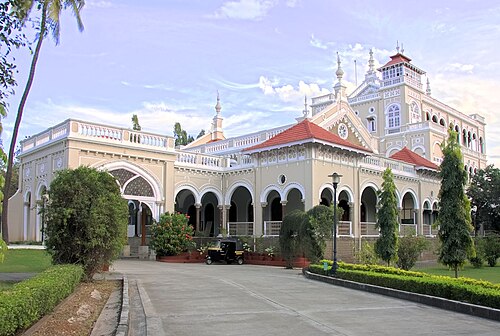
Please step forward toward the main promenade where you can fully appreciate the magnificent front façade of the palace structure. As you gaze upon this grand edifice, you are looking at an extraordinary architectural fusion that seamlessly blends Eastern traditional craftsmanship with Western European elegance. …
03 Ground Floor Museum and Quit India Movement Exhibition
Now, please step inside the palace ground floor to explore the dedicated museum galleries. This interior space marks a dramatic historical shift, where a luxurious royal sanctuary was suddenly transformed into a high security detention center for India's national freedom fighters. On August ninth, nineteen forty-two, immediately following the launch of the historic Quit India Movement demanding an immediate termination of British imperial rule, colonial authorities arrested Mahatma Gandhi and…
04 Gandhi's Living Quarters and Personal Belongings
Now, please step into the very room where Mahatma Gandhi resided during his two years of incarceration. You are standing before the intimate living quarters occupied by Gandhi from August nineteen forty-two until his official release on health grounds on May sixth, nineteen forty-four. Looking into this austere room, one is immediately struck by the profound simplicity of the space where one of history's greatest figures lived. …
05 Kasturba Gandhi and Mahadev Desai Confinement Room
Please move into the adjacent living space associated with Gandhi's wife, Kasturba Gandhi, and his devoted private secretary, Mahadev Desai. This particular room carries an immense emotional weight, as it is saturated with the grief and ultimate sacrifices of the independence struggle. Shortly after their arrival in August nineteen forty-two, tragedy struck the small group of prisoners. …
06 The Sacred Garden and The Three Marble Samadhis
Having toured the interior museum rooms of the palace, please follow the peaceful outdoor walkway leading into the manicured garden courtyard. As you stroll along this quiet path lined with lush lawns and mature shade trees, you are moving toward the banks of the nearby Mula River. Here, nestled in a tranquil quadrant of the estate, lies a pristine marble courtyard enclosed by a low protective wall. …
07 Gandhi National Memorial Society and Khadi Center
Now, please follow the path toward the functional and operational centers housed within the palace grounds. A vital turning point in the modern history of the Aga Khan Palace occurred in the year nineteen sixty-nine. Prince Shah Karim al-Husayni, known as Aga Khan the Fourth, generously donated this entire nineteen acre estate and its historic structures to the people of India. …
08 Closing
As you conclude your tour and walk slowly toward the main exit gates of the Aga Khan Palace, take a quiet moment to absorb the profound atmosphere and historic memory of this sacred site. Your journey through these grounds has been far more than a simple architectural visit; it has been an intimate encounter with the enduring soul of India and the moral legacy of Mahatma Gandhi and his courageous companions who sacrificed everything for freedom. …