Contents
History & cultureBY TELLBY7 sections · numbered as on the map01 Orientation
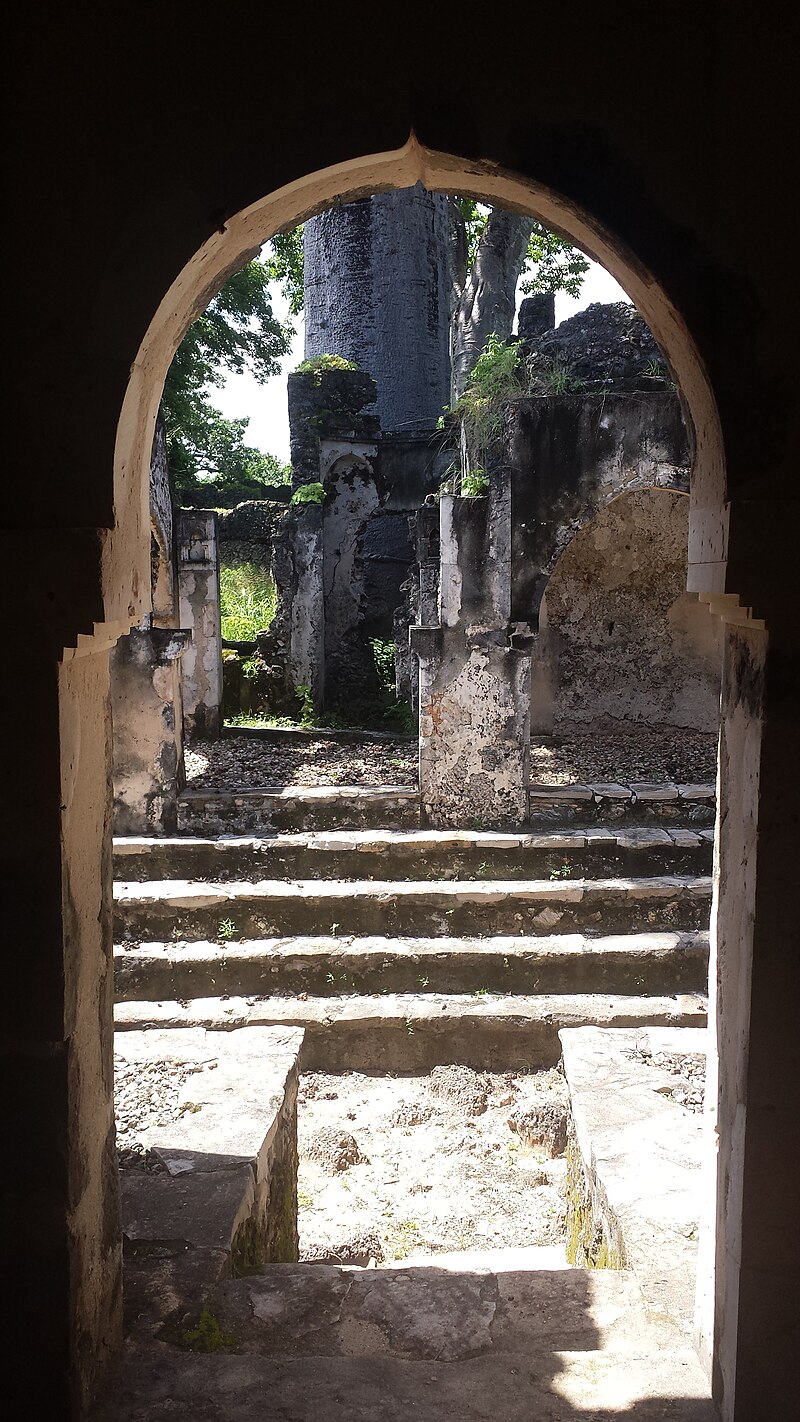
Welcome to Songo Mnara, an extraordinary fifteenth-century Swahili coral stone trading city resting quietly upon an island in the Kilwa Archipelago along the southern coast of Tanzania. Recognized internationally as a UNESCO World Heritage Site alongside its historic neighbor Kilwa Kisiwani, which lies just eleven kilometers to the northwest, Songo Mnara offers an remarkably intact window into the golden age of medieval Swahili maritime civilization. Unlike older coastal urban centers that evolved continuously over many centuries, Songo Mnara flourished during a highly concentrated period between the late fourteenth and early sixteenth centuries. During this era, the island became a thriving commercial hub within the vast trade networks of the Indian Ocean, connecting the African interior with merchant fleets arriving from Arabia, Persia, India, and Ming Dynasty China. Ships arriving on the seasonal monsoon winds carried silver ingots, red carnelian gemstones, Persian turquoise pottery, and exquisite Chinese celadon porcelain. In exchange, Songo Mnara exported valuable African resources, including hinterland gold, carved elephant ivory, sea pearls, timber, and aromatic perfumes. The wealth generated by this oceanic commerce enabled the city's ruling elites to construct a sophisticated, walled urban center covering seven hectares. Within this fortified enclosure, archaeologists have uncovered forty-eight grand, multi-story coral stone mansions, extensive residential neighborhoods of mud-and-daub houses, open public plazas, and six distinct mosques serving a resident population estimated between five hundred and one thousand people. The presence of so many places of worship within a compact space reflects the profound role that Islamic faith, civic identity, and social organization played in daily life. Built from local fossilized coral rag bonded with lime mortar and adorned with fine dressed sandstone, these ruins demonstrate extraordinary coastal engineering. When Portuguese traders entered the East African littoral in the early sixteenth century, the trade routes shifted and Songo Mnara was peacefully abandoned to the encroaching mangroves and ocean breezes. As you step among these silent coral walls today, you are walking through a lost world where international commerce, architectural brilliance, and coastal faith converged at the water's edge.
02 The Central Mosque and the Ancestral Hearth
Underneath the plaster floor of this sacred sanctuary lies an extraordinary foundation intentionally constructed from layers of older fourteenth-century occupation soil and imported trade ceramics brought from elsewhere to anchor the newly established city's ancestral legitimacy. As you stand in the broad central open plaza of Songo Mnara, look directly down at the base of the western water cistern and observe the circular stone foundations embedded in the plaster floor where four massive…
03 The Burned Sanctuary by the Western Sea Wall
This sacred sanctuary was entirely engulfed and destroyed by a catastrophic fire in the early sixteenth century, after which its ruined coral stone walls were adapted and incorporated directly into the town's outer fortification defense system. Direct your eyes toward the blank eastern masonry wall facing the interior of the town, and look down at the scorched indentations on the floor plaster where heavy wooden roof poles and burned mangrove timbers crashed down during the blaze. …
04 The Neighborhood Shrine of the Craftsmen and Commoners
While soaring multi-story coral mansions dominated the northern district of Songo Mnara, the common artisans, mariners, bead-makers, and laborers of the city lived here in earthen mud-and-daub houses, funding and sharing their own compact coral stone mosque adjacent to the main harbor landing gate. Look down at the center of the weathered plaster floor to observe the circular masonry base where a single central column once stood, and notice the wide gap in the town wall directly behind you that…
05 Grandeur of the Elite: The Northeast Congregational Mosque
The largest and most ornate congregational Friday mosque in Songo Mnara was constructed late in the fifteenth century directly opposite the monumental entrance of the island's grandest palace, serving as a soaring public demonstration of private family wealth and political authority. Raise your eyes to admire the magnificent triple transverse arcade framing the main entrance hall, and examine the exquisite double herringbone patterns carved directly into the soft porites coral of the prayer…
06 The Beacon on the Waves: The Mnara Islet Mosque
This entire mosque was intentionally constructed upon a raised artificial coral stone platform set thirty meters out into the ocean, leaving it completely surrounded by deep sea water at high tide. Look down at the smooth sandstone-capped entrance steps rising directly out of the tidal mudflats, and observe the secondary masonry skim added to the outer walls to reinforce the sanctuary against ocean waves. …
07 Closing
Perched on an elevated coastal bluff just outside the southwest town wall stands the Necropolis Mosque, surrounded by a peaceful sixteen-meter square walled cemetery where venerated holy leaders and scholars of Songo Mnara lie in eternal rest. Designated by archaeologists as the Vaulted Mosque, this remarkable mid-fifteenth-century sanctuary features a narrow prayer hall measuring five point four meters by two point seven five meters on a qibla orientation of three hundred and forty-seven…