Contents
History & cultureBY TELLBY7 sections · numbered as on the map01 Orientation
Welcome to Virunga National Park, one of the oldest and most biologically diverse protected areas on the African continent. Recognized for its exceptional natural beauty, rare wildlife, and extraordinary ecological value, this remarkable sanctuary was inscribed as a UNESCO World Heritage site in nineteen seventy-nine to safeguard its priceless ecosystems for all humanity. The majestic volcanic peaks and dense tropical rainforests stretching before you represent an irreplaceable global heritage. However, beneath this breathtaking landscape lies a deeply complex and tragic history of socio-ecological conflict that remains hidden from conventional travel itineraries. Originally established in nineteen twenty-five during Belgian colonial rule as Albert National Park, the reserve was progressively expanded over the decades to encompass an immense area of approximately eight thousand square kilometers across present-day North Kivu province. Throughout this expansion, local agricultural communities who had inhabited and cultivated these fertile lands for generations were dispossessed of their ancestral territories and deprived of their customary access to vital natural resources. The strict enforcement of a fortress conservation model, which posited that pristine nature could only be preserved by completely excluding human presence, prohibited all traditional land use and hunting within park boundaries. Following nearly two decades of devastating regional warfare in the nineteen nineties, during which park authorities focused primarily on mere survival, the signing of the two thousand three peace agreement marked a decisive pivot toward rigorous territorial re-enclosure. The Congolese Wildlife Authority, known as ICCN, initiated aggressive measures to restore the park's territorial integrity and enforce boundaries. This uncompromising re-enclosure policy directly collided with the reality of impoverished rural populations striving to secure basic food security. As peasants engaged in covert farming inside protected zones to feed their families, encounters with armed patrol wardens frequently escalated into violent confrontations. Today, as we walk through these historic forest pathways, we will explore both the noble international endeavors to preserve a magnificent world natural heritage and the poignant, everyday struggles of local residents seeking human dignity and survival in an extraordinarily precarious environment.
02 Mayangos Forest Creek and Border Fields
It is deeply astonishing to discover that right alongside the small, quiet creek marking the official boundary of this UNESCO World Heritage site, expansive illicit agricultural fields planted with rice, bananas, beans, cassava, and newly introduced cocoa and coffee trees are secretly thriving inside the protected national park. Look down carefully at the clear water flowing gently at your feet. …
03 The Earth Graves in Mayangos Hills
It is profoundly tragic to discover that these two humble heaps of earth resting quietly in the middle of a serene, forested hill mark the exact site where multiple human lives were cut short during a single violent enforcement clash. Look mournfully at the two simple earth mounds rising quietly side by side directly in front of you. …
04 Lubiriha Border Road and South Market
It is remarkably startling that the entire thriving commercial sector lying directly south of this busy international transit highway belongs legally to the protected territory of the national park. Look across the road at the dense cluster of retail shops, warehouse facilities, and bustling market stalls lining the southern side of the thoroughfare. …
05 Mutwanga Headquarters and Hydroelectric Plant
It is remarkably inspiring that a modern hydroelectric power plant fed by cold mountain streams flowing directly from the park functions right beside the northern headquarters, generating clean electricity for surrounding local communities. Look up at the channel where cold river water flows steadily into the power generation facility. …
06 Kangbayi Prison in Beni
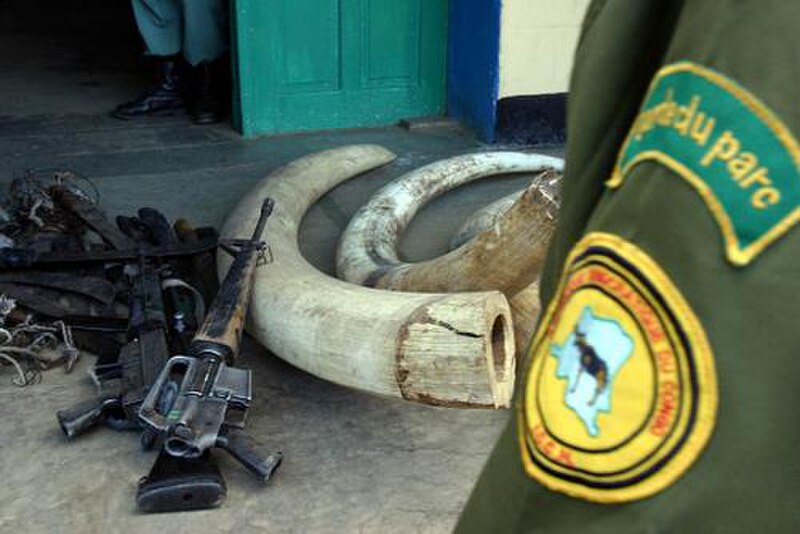
It is deeply sobering that a young park warden tasked with protecting natural heritage finds himself incarcerated on murder charges inside a grim prison, fighting back tears while awaiting trial. Look at the high red walls and heavy iron bars surrounding the entrance of Kangbayi prison near Beni. Although partially co-financed by international aid from the European Union, conditions inside this facility remain severely degrading. …
07 Closing
Virunga National Park stands as a priceless UNESCO World Heritage site of immense global importance, cherished for its extraordinary biodiversity and majestic natural landscapes. Yet, as our journey has revealed, behind this prestigious international recognition lies a deeply complex human reality. Here, the everyday resistance of impoverished peasants seeking basic food security intersects with the dangerous duties of dedicated park wardens, the historical claims of customary chiefs, and…