 Photo Wikimedia Commons
Contents
History & cultureBY TELLBY7 sections · numbered as on the map01 Orientation
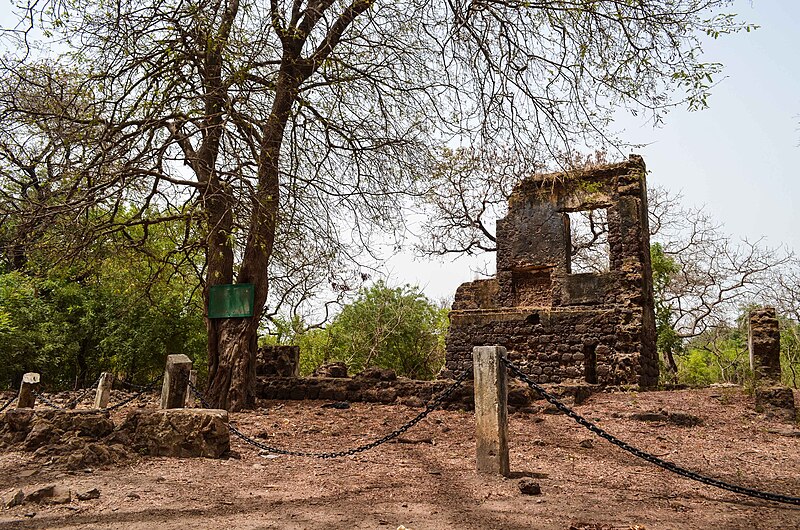
Welcome to the Ruins of San Domingo, a serene and historic sanctuary situated along the scenic banks of the Gambia River. You are standing within a profoundly significant cultural landscape, officially inscribed as a cornerstone of the UNESCO World Heritage property known as Kunta Kinteh Island and Related Sites. This tranquil riverbank represents one of the very first European mainland footholds established along the West African coast during the mid-fifteenth century, holding centuries of complex historical encounters, maritime trade, and cultural exchange. UNESCO recognized this exceptional riverine heritage network because it offers an irreplaceable physical testimony to the successive phases of Afro-European contact, commercial navigation, and the tragic transatlantic memory that permanently reshaped global history. Long before modern roads connected these settlements, the Gambia River served as the primary liquid highway bringing ocean-going caravels deep into the heart of the African continent. Here at San Domingo, Portuguese navigators, Atlantic merchants, and local African communities met along the shoreline to initiate the region's earliest commercial transactions, eventually building permanent stone structures, a sacred chapel, and fortified commercial trading posts. As you feel the gentle river breezes brushing across these ancient grounds, you are experiencing a landscape where the ambitions of global trade intertwined with the quiet everyday lives of coastal inhabitants. San Domingo is far more than a collection of weathered stone ruins; it is a sacred space of memory, inviting us to reflect upon human endurance, historical transformation, and the enduring power of cultural heritage. During our audio tour today, we will accompany you through five carefully chosen historical locations across these grounds. We will begin at the Main Sandstone Ruins, proceed to the Remains of the Portuguese Chapel, explore the Maurel Frères Commercial Building, visit the Historic CFAO Trade Post, and conclude at the majestic Gambia Riverbank Viewpoint. At each stop, we will highlight specific visual elements standing right before your eyes, reveal overlooked micro-details hidden within the masonry, and share compelling stories of the people who walked these paths centuries ago. Please take a quiet breath, listen to the peaceful murmur of the river currents, and let us embark together on this unforgettable historical journey through the Ruins of San Domingo.
02 Main Vestiges of the San Domingo Settlement
The main entrance area of the Ruins of San Domingo presents an extraordinary historical reality: it contains one of the oldest surviving European stone structural vestiges along the lower estuaries of the Gambia River. As you step onto these grounds, you are standing at a crucial geographical node where West African coastal maritime routes connected directly with inland riverways. …
03 Ruins of the Early Portuguese Chapel
The Remains of the Portuguese Chapel hold an extraordinary historical truth: this modest sacred footprint stands as one of the very earliest Christian missionary sites constructed along the entire West African coastline. Built along the shoreline of the Gambia River during the late fifteenth century, this chapel represented a unique intersection where European religious fervor met early maritime expansion on the African continent. …
04 Maurel Frères Historic Commercial Building
The Maurel Frères Historic Commercial Building reveals an astonishing economic truth: during its operational heyday in the nineteenth century, this site functioned as one of the most vital commercial trading hubs along the entire Gambia River, handling vast volumes of regional commodities and international trade goods. Situated strategically along the riverbank, this structure served as a primary mercantile bridge connecting interior West African supply routes with transatlantic trade channels. …
05 Historic CFAO Trade Post
The Historic CFAO Trade Post Building highlights a compelling historical reality: this riverside station functioned as a vital regional stronghold for one of the most prominent commercial trading corporations in West African history, the Compagnie Française d'Afrique Occidentale. Strategically constructed along the Gambia River bank, this trade post served as a major center for receiving, inspecting, and distributing regional products and imported European goods. …
06 Riverbank and Maritime Heritage Area
The Gambia Riverbank Viewpoint reveals a profound historical reality: this flowing waterway connected the vast Atlantic Ocean directly with the interior of Africa, carrying both the tragedy of human exploitation and the rich history of continental commerce. Serving as a primary maritime artery, the Gambia River enabled merchant vessels to navigate deep inland from the ocean, making San Domingo an essential port of call along the lower river network. …
07 Closing
We extend our heartfelt gratitude to you for completing this comprehensive audio guide tour of the Ruins of San Domingo. Throughout our journey today, from the principal sandstone entrance ruins to the Remains of the Portuguese Chapel, the Maurel Frères Building, the Historic CFAO Trade Post, and the majestic Gambia Riverbank Viewpoint, we have traversed centuries of West African history and maritime heritage preserved along these peaceful shores. …