Contents
History & cultureBY TELLBY7 sections · numbered as on the map01 Orientation
Welcome to the ancient Maya archaeological site of Copán, situated in the lush valley of the Copán River in western Honduras. Located at an altitude of six hundred meters above sea level near the border between Mesoamerica and non-Maya cultural regions, this grand capital was anciently known as Oxwitik, meaning Three Roots, while its royal dynasty bore the emblem glyph Xukpi. Human occupation in this fertile basin stretches back to early farming communities established around one thousand BCE, but the city rose to historic splendor during the Classic Maya period between the fifth and ninth centuries. Copán is celebrated worldwide as a UNESCO World Heritage site, recognized for its exceptional density of high-relief stone sculpture, magnificent plazas, and extensive hieroglyphic inscriptions. The architectural core features an extraordinary Acropolis elevated over thirty meters above the valley floor on a massive artificial stone terrace, flanked by expansive ceremonial courts, residential plazas, and soaring pyramid temples. This civic and religious center was constructed using local volcanic tufa and greenish andesite stone blocks, bound with mud mortar and coated in brilliant painted stucco plaster. During its eighth-century political peak, Copán functioned as a thriving metropolis home to over twenty thousand inhabitants, controlling lucrative trade networks in precious jade and obsidian. Over centuries of urban expansion, the Copán River shifted its course and eroded the eastern flank of the Acropolis, creating a massive thirty-seven meter vertical cutaway that revealed layers of ancient construction. To protect this irreplaceable cultural treasure from further destruction, engineers executed a major river diversion project during the nineteen thirties, redirecting the water and saving the monument for future generations. As you walk through these sacred grounds, you are walking in the physical footsteps of sixteen dynastic rulers who transformed this southeast frontier into an artistic jewel of Mesoamerica. Today, our journey will guide you through the Great Plaza of Stelae, the famous Macaw Ball Court, the record-breaking Hieroglyphic Stairway, the sacred depths of Temple Sixteen with Altar Q, and the otherworldly portal of Temple Twenty-Two. Take a moment to admire the surrounding green hillsides and imagine the bustling royal court that once assembled here. Please follow the marked path as we move toward our first landmark at the Great Plaza of Stelae to explore the magnificent solar monuments carved by ancient master sculptors.
02 Great Plaza of Stelae
The freestanding stone stelae standing throughout this Great Plaza served as precise solar calendars, positioned to align perfectly with the zenith passage of the sun on April thirty and August twelve each year. On these two specific dates, the sun reaches its absolute highest point directly overhead at local latitude, casting zero shadows at noon and dividing the tropical solar year into two sacred cycles of two hundred sixty days and one hundred five days. …
03 The Ball Court
Dedicated in January seven hundred thirty-eight CE, this monumental playing field was the third and largest version constructed on this exact spot, featuring iconic carved stone macaw markers that represented the celestial power of the sun deity. Direct your eyes to look up along the slanted side ramps flanking the central playing alley, where sculpted stone macaw heads project dramatically outward from the sloping architectural walls. …
04 Hieroglyphic Stairway
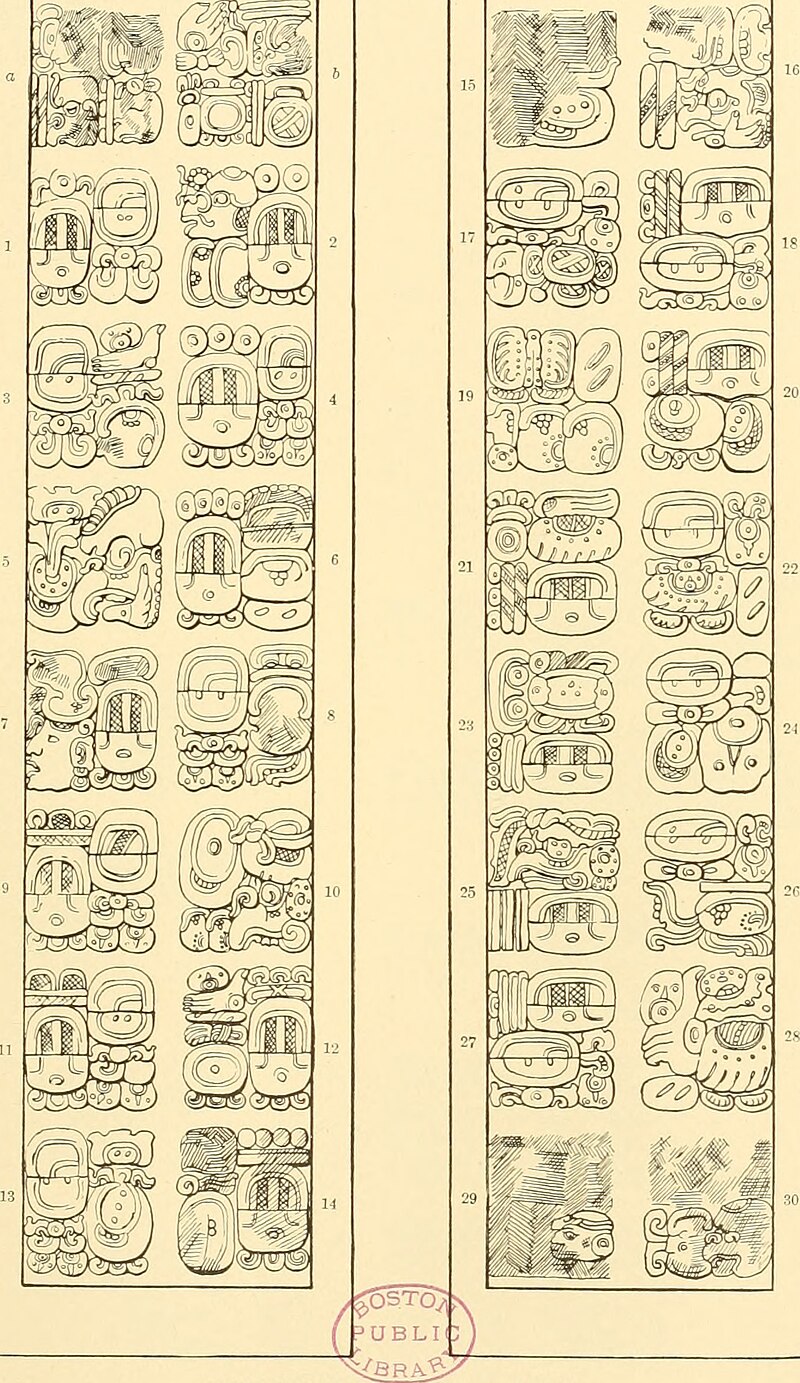
Composed of sixty-three monumental stone steps, this breathtaking stairway contains over two thousand five hundred individual hieroglyphic glyph blocks, forming the longest surviving continuous written text in the ancient Americas. Direct your gaze right up the center of this ten-meter-wide staircase to spot the seated life-sized stone figures resting periodically along the central steps. …
05 Temple 16 and Altar Q
Inside this towering pyramid platform lie multiple complete ancient temples layered directly on top of one another like Russian nesting dolls, including the exceptionally preserved and brightly painted Rosalila temple buried deep within its core. Direct your eyes down to the square stone monument known as Altar Q resting directly at the base of the main pyramid staircase. …
06 Temple 22
The inner doorway of this extraordinary temple was meticulously designed as the giant gaping jaws of a cosmic mountain serpent, symbolically transforming anyone who stepped inside into a spiritual traveler passing directly into the Maya underworld. Direct your gaze toward the sculpted stone portal frame surrounding the doorway, where you can see the sharp teeth, rounded snout, and curved fangs of a massive monster mask running along the entrance sill and doorjambs. …
07 Closing
Today we have journeyed together through the remarkable ancient Maya kingdom of Copán, walking among the stone monuments and sacred architecture that define this extraordinary UNESCO World Heritage site. Ever since the dynastic founder K'inich Yax K'uk' Mo' established his royal seat in this fertile river valley in four hundred twenty-six CE, Copán flourished across four centuries under the rule of sixteen dynastic monarchs. …