Contents
History & cultureBY TELLBY7 sections · numbered as on the map01 Orientation
Welcome to Kunta Kinteh Island, a sanctuary of profound historical memory resting in the middle of the expansive Gambia River estuary. You are currently standing near the docking area of this sacred island, having completed your boat journey across the water from the northern mainland shores near the historic villages of Albreda and Juffureh. The cool river breeze that drifted around you during the crossing carries much more than the scent of fresh water and mangroves. It whispers the haunting echoes of centuries of encounter between Africa and Europe, an intricate and heartbreaking narrative that spans from early mercantile exploration to the devastating reality of the transatlantic slave trade.
In the year 2003, this remarkable island, along with its ensemble of mainland historic sites, was officially inscribed as a UNESCO World Heritage site. To grasp the global significance of this location without becoming lost in complex bureaucratic terminology, consider that this small piece of land provides an irreplaceable physical testimony to how European powers first established access to the inner continental regions of West Africa. The broad Gambia River served as the crucial inland waterway for early navigators, traders, and colonizers. Most importantly, this island stands as a living testament to the entire trajectory of the transatlantic human trade, encompassing its earliest beginnings, its systemic expansion, and its ultimate military abolition, preserving the indelible memory of millions of human beings forcibly uprooted from their ancestral homes.
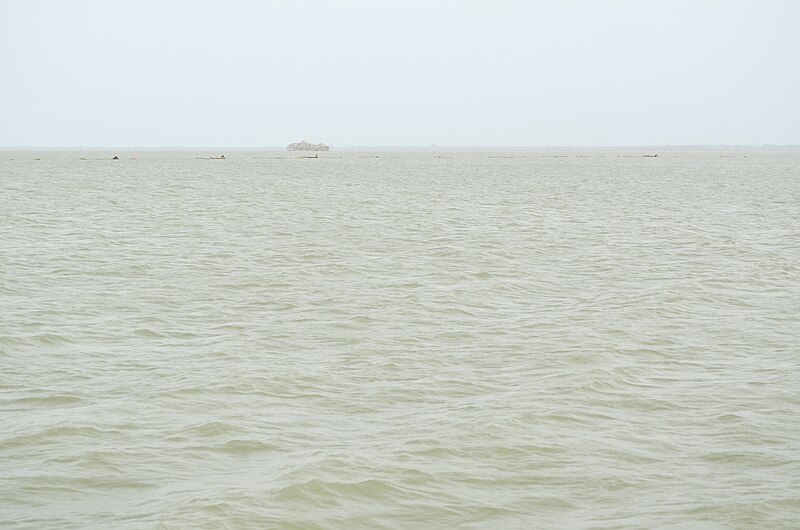
As you cast your eyes across the wide river channels surrounding the island dock, observe the tranquil beauty of the waters today. Centuries ago, these very currents resounded with the clanking of heavy iron shackles and the anguished cries of bound men, women, and children being loaded onto ocean vessels. The boat path you traversed to reach these shores directly traces the final water route taken by captives as they gazed back at the African coastline for the very last time. Yet today, Kunta Kinteh Island has been transformed from a place of unutterable sorrow into an international sanctuary for reflection, human resilience, and global reconciliation.
As we prepare to step forward onto the island pathways, I invite you to adopt a contemplative and respectful spirit. Together, we will examine the weathered masonry walls, the defensive bastions, and the lingering traces of human endurance preserved within these historic ruins. Let the quiet dignity of this landscape and the gentle lapping of the river set the rhythm for your passage into the past. Let us now move inward to uncover the extraordinary stories embedded within this sacred ground.
02 Ruins of Fort James and the Courland Bastions
It is a truly astonishing historical revelation that the very first European settlers to establish a permanent fortress on this West African island were not from the famous maritime empires of Britain, France, or Portugal, but from the Duchy of Courland and Semigallia, a small vassal state of the Polish-Lithuanian Commonwealth located in modern-day Latvia. …
03 The Single Cell and the Legacy of Kunta Kinte
Among these silent masonry ruins stands a solitary and cramped cell that was constructed specifically by British colonial administrators to isolate and lock away the most troublesome and rebellious captives before forcing them onto transoceanic slave ships. This isolated dark chamber served as a punitive dungeon where those who fought courageously for their human dignity were separated from the main holding areas, suffering intense physical and psychological confinement in complete isolation…
04 The Vanishing Island and Ancient Baobabs
It is a truly astonishing geographical revelation that this historical island has suffered such severe shoreline erosion over the centuries that it is currently reduced to approximately one-sixth of its original landmass compared to when the fortress was fully operational. Vast areas of land where colonial parade grounds, outer perimeter defense walls, slave holding quarters, and supporting administrative structures once stood have been completely submerged beneath the relentless river currents…
05 Mainland Gateways of Albreda and San Domingo
It is a remarkable historic fact that European exploration along this specific stretch of the Gambia River dates all the way back to May 1456, when a Portuguese maritime expedition led by Venetian navigator Alvise Cadamosto and Genoese explorer Antoniotto Usodimare anchored their vessels off this very island. …
06 Fortifications Built to Stop the Slave Trade
In stark contrast to every older fort and trading post constructed along the West African coast to facilitate and profit from human trafficking, the Six-Gun Battery built in 1816 and Fort Bullen constructed in 1826 stand as the only known defensive structures in the entire region built specifically to thwart and stop the illegal trade in enslaved people. …
07 Closing
Today, we have walked together through the solemn ruins of Kunta Kinteh Island and its surrounding mainland sites, tracing the profound historical continuum of the Afro-European encounter along the Gambia River. From the earliest arrivals of 15th-century explorers to the agonizing tragedy of the transatlantic slave trade and the eventual military campaign for its abolition, this small island bears witness to some of the most consequential chapters in human history. …