Contents
History & cultureBY TELLBY7 sections · numbered as on the map01 Orientation
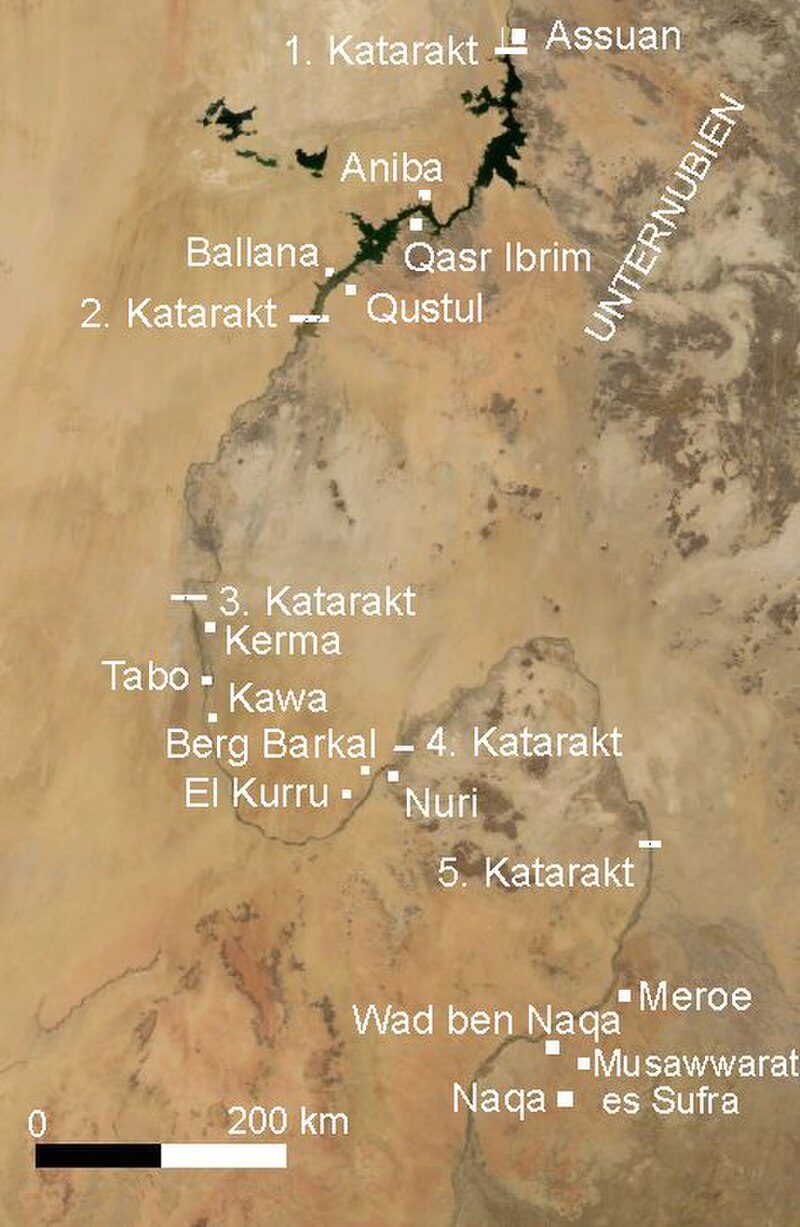
Welcome to the Nuri Necropolis, one of the most magnificent and historically sacred royal burial grounds of the ancient Kingdom of Kush. Located in northern Sudan along the fertile west bank of the Nile River, near the dramatic rock formations of the Fourth Cataract, this breathtaking desert landscape holds the silent memory of a powerful ancient civilization. Geographically, Nuri is situated roughly fifteen kilometers north of the ancient city of Sanam and ten kilometers from the holy red sandstone pinnacle of Jebel Barkal. In two thousand three, UNESCO officially designated Nuri as a World Heritage site as part of Gebel Barkal and the Sites of the Napatan Region, recognizing its supreme historical value as the grand royal resting place for the monarchs of Kush. The necropolis was originally established when the earlier Napatan royal burial site at El Kurru became fully saturated and lacked physical room for new large-scale pyramid complexes. Over a period spanning more than three centuries, from approximately six hundred seventy BCE to three hundred ten BCE, Kushite kings and queens constructed their vast subterranean burial suites directly beneath towering stone masonry pyramids. At its historical apex, more than eighty royal pyramids graced these desert sands, creating an unforgettable skyline along the Nile. Today, around twenty pyramids still stand above the ground, representing the largest preserved concentration of Napatan royal tomb monuments in Sudan. As you stand at the threshold of this vast archaeological site, take a moment to absorb the profound tranquility of the surrounding desert. The warm winds carry centuries of history across the gravel plains, where silence wraps around the crumbling stepped stone monuments. This royal cemetery served as the prime spiritual heartland of the Napatan Kingdom, where divine rulers were committed to the earth to ensure cosmic balance and eternal life. Each pyramid was designed not merely as a tomb, but as a monument to royal authority and divine favor, linking the earthly monarch to the cosmic order of the heavens. Throughout your tour today, we will explore the monumental tombs of iconic kings, examine newly uncovered funerary temples, discover the painted burial chambers of powerful queens, and learn about modern underwater archaeological missions working tirelessly to preserve these delicate royal tombs.
02 Spot 1 – Taharqa’s Great Pyramid (Nu. 1)
King Taharqa constructed the largest pyramid ever built in ancient Sudan, setting a grand precedent for the entire royal necropolis. Look up at the massive pile of stone rising before you like a rugged mountain. This monumental tomb, designated in modern archaeological records as Nuri One, represents the breathtaking ambition of a ruler who commanded a vast empire stretching from the heart of Africa to the borders of the Levant. …
03 Spot 2 – The Rediscovered Funerary Temple
This mysterious royal temple lay completely hidden under desert sand for nearly a century after archaeologists first uncovered its outer outline. Look down to your left at the exposed stone foundation perimeter spread across the sand. Known in formal archaeological records as Building One Hundred, this enigmatic sacred structure was first briefly identified by pioneer archaeologist George Reisner in the early twentieth century, but it was left unexcavated and subsequently swallowed once more by…
04 Spot 3 – King Aspelta’s Pyramid & Royal Treasures (Nu. 8)
Despite ancient tomb raiders digging through the heavy stone structures, this pyramid yielded some of the most exquisite royal gold artifacts ever found in Sudan. Gaze directly ahead at the most sharply defined, fortress like stepped pyramid rising in the middle row. Designated in archaeological records as Nuri Eight, this magnificent monument belongs to King Aspelta, who ruled the Kingdom of Kush from five hundred ninety three to five hundred sixty eight BCE. …
05 Spot 4 – The Queens’ Necropolis & Queen Yeturow’s Painted Tomb (Nu. 53)
Over fifty queens and royal mothers were given their own distinct pyramid fields at Nuri, placed in organized sectors separate from the main kings. Look north toward the parallel lines of smaller, elegant stone pyramid foundations. The spatial layout of the female necropolis reflects a strict royal hierarchy: most primary wives were buried in parallel rows situated directly north of Taharqa great pyramid, while the revered mothers of kings rested in the southern section, and minor wives…
06 Spot 5 – King Nastasen’s Submerged Tomb (Nu. 15)
Modern archaeologists must now put on full scuba diving gear to explore the flooded burial chamber of this ancient royal tomb. Look down at the deep shadow of the stone entry staircase where clear blue water glimmers. Designated in archaeological records as Nuri Fifteen, this pyramid belongs to King Nastasen, who ruled the Kingdom of Kush from three hundred thirty five to three hundred ten BCE. …
07 Closing
Standing here among the golden dunes of Nuri, you have witnessed a profound historical continuum spanning many centuries. From the golden era of the Black Pharaohs of the Kingdom of Kush who constructed these tall stone peaks to later centuries, this necropolis remained a deeply sacred focus of human memory and spiritual devotion. …