Contents
History & cultureBY TELLBY7 sections · numbered as on the map01 Orientation
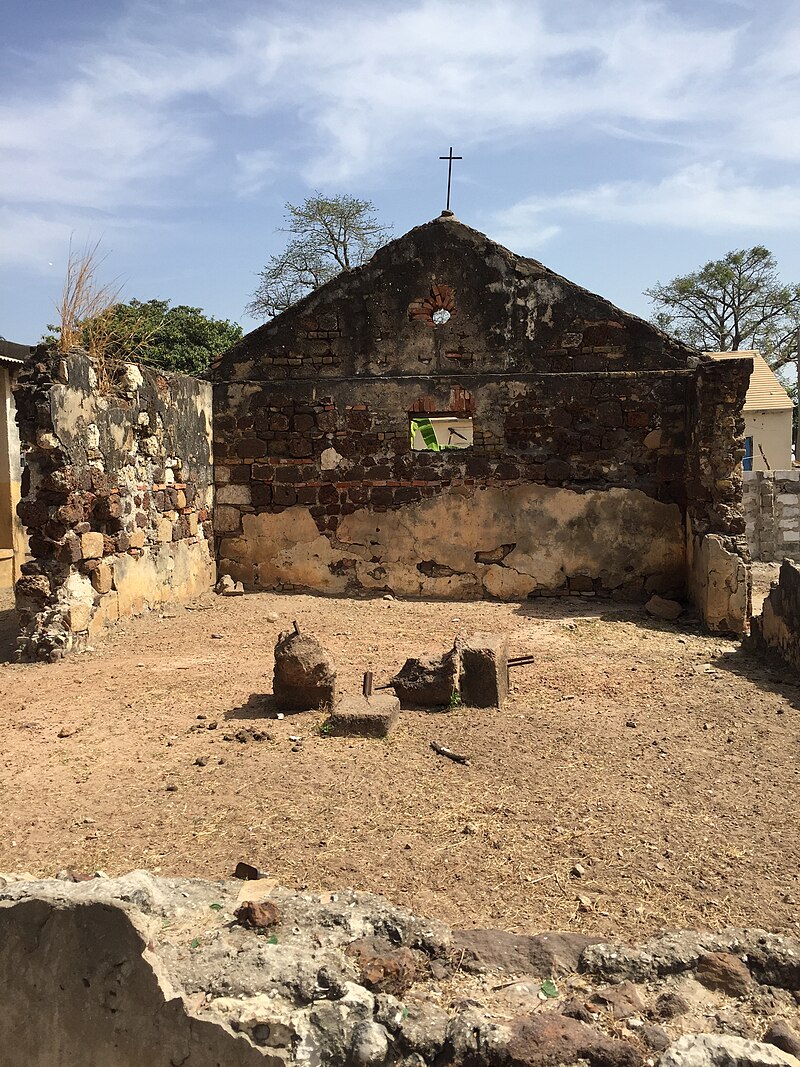
Welcome to the historic village of Albreda located in the Nuimi region along the northern bank of the Gambia River. You are standing at the entrance to the ruins of the Portuguese Chapel of Albreda, constructed by intrepid European navigators during the fifteenth century. Also recorded historically as the Portuguese Chapel of San Domingo, this remarkable site was inscribed as a UNESCO World Heritage Site in two thousand three as part of the Kunta Kinteh Island and Related Sites complex. This international recognition honors the location as an irreplaceable physical testament to the earliest maritime trade networks, cultural encounters, and religious missions that unfolded along the West African coast during the Age of Discovery.
Albreda holds a prominent place in regional history, widely recognized for its former role as a trading post and a major river port along the historic Gambia River corridor. Situated approximately one hundred meters west of the main settlement area, the ruins resting in this peaceful green enclave represent what oral traditions and architectural evidence identify as the oldest surviving Catholic chapel in Sub-Saharan West Africa. The designated sanctuary zone encompasses a protected area of six thousandths of a hectare, safeguarding the weathered masonry walls that have endured through centuries of coastal weathering. Recognized for its immense historic value, the site enjoyed national monument protection prior to nineteen ninety-five, and in the year two thousand, specialist teams completed major structural stabilization works to preserve the remaining stonework for future generations.
As you prepare to embark on this walking tour, you will trace the pathways once trodden by fifteenth century sailors, missionaries, and local inhabitants. Walking westward along the shaded path, you will soon observe the magnificent stone ruins emerging amidst palm trees and lush foliage. This serene environment invites quiet reflection on the complex historical encounters between European explorers and the people of the Gambia River basin. Please proceed at a comfortable pace along the marked path toward the western approach. Take a moment to absorb the tranquil atmosphere and listen to the gentle breeze carrying the rich history of this sacred riverbank as we begin our exploration of this extraordinary heritage monument.
02 The Western Path and Early Navigators
The extraordinary revelation that fifteenth century Portuguese explorers navigated far up the Gambia River and erected permanent masonry structures long before Victorian era colonization never fails to captivate modern travelers. Centuries before nineteenth century European powers established formal colonial territories across the African continent, these early maritime pioneers were already shaping durable stone and lime mortar along the tropical riverbanks. …
03 Surviving Wall Masonry
It is a remarkable engineering reality that despite centuries of relentless exposure to humid tropical air, heavy seasonal rains, and intense coastal weathering, more than fifty percent of the original fifteenth century stone and mortar outer wall structure remains standing today. Built using locally sourced fieldstone blocks bonded together with traditional lime mortar, these surviving walls demonstrate the exceptional craftsmanship and structural durability achieved by early Portuguese…
04 Intact Rear Wall and Crowned Cross
While centuries of tropical moisture and fierce coastal Atlantic tempests gradually claimed the timber roof and caused partial collapses along the lateral side walls, it is an astonishing sight to behold that the entire rear wall of the sanctuary has survived completely intact. Reaching upward to the highest point among the standing ruins, this formidable rear masonry wall stood as the structural and spiritual anchor of the entire edifice. …
05 Tridentine Tabernacle Area
The inclusion of this diminutive wall niche serves as decisive architectural proof that the structure was designed specifically as the oldest Sub-Saharan Catholic sanctuary intended for traditional pre-modern Latin Tridentine liturgical rites. In early Roman Catholic ecclesiastical architecture, the placement of a secure recessed cavity within the central wall behind the altar was strictly required for housing the Tridentine Tabernacle, which held the consecrated host and sacred vessels. …
06 San Domingo Residence and King of the Priests
It comes as a profound surprise to many visitors to discover that immediately adjacent to this chapel stood a comprehensive European missionary complex incorporating residential quarters, an operational bakery, and a highly revered burial ground. Rather than functioning as an isolated religious outpost, San Domingo was established as a fully integrated community hub where Portuguese priests lived, prepared daily sustenance, and carried out their spiritual ministry among the local population. …
07 Closing
Thank you for taking the time to explore the Portuguese Chapel of Albreda today. Our walking journey together has taken us across centuries of history, beginning with the fifteenth century maritime expeditions of Portuguese navigators along the Gambia River corridor, through the solemn vow made on Saint Andrew's Island following the tragic loss of their first officer, and culminating in the construction of the oldest surviving Catholic sanctuary in Sub-Saharan Africa. …