 Photo Wikimedia Commons
Contents
History & cultureBY TELLBY1 sections · numbered as on the map01 Matsue: Water Capital Through a Director's Lens
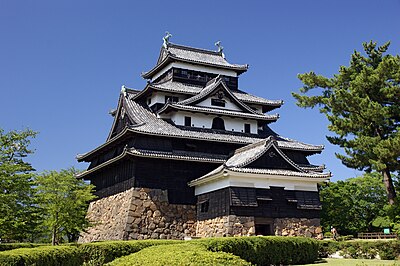
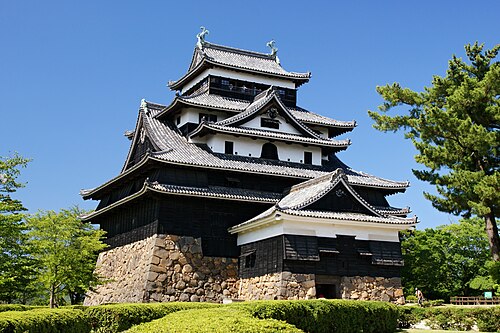
Frame the shot on Ohashi River, and you get why Matsue earned the title Water Capital of Japan. I am Max Yagumo, your director today. If you think canals are just for dumping evidence in low-budget mystery scripts, think again. Matsue sits strategically between Lake Shinji and Lake Nakaumi. The canals crisscrossing the old town were not just built for scenic reflections; they were engineered as defensive moats and transport routes for the Matsue Domain in the Edo Period. Even Lafcadio Hearn, the author who took the Japanese name Koizumi Yakumo, fell for the eerie charm of these waterways and collected local ghost stories around these streets. Walking along Shiomi Nawate street, you can practically hear footsteps of feudal samurai returning from duty, while modern Horikawa pleasure boats glide quietly under low bridges. Notice how the town preserves its tea culture too, shaped by Seventh Lord Matsudaira Fumimai, who turned green tea and wagashi into a refined local tradition. It is rare to find a location where military defense, ghostly folklore, and tranquil canal cruises blend so naturally into one cinematic frame.